A buyer-oriented framework for evaluating the recurring and episodic costs of owning at Muse Residences, from association insurance and reserves to private maintenance and seasonal staffing.
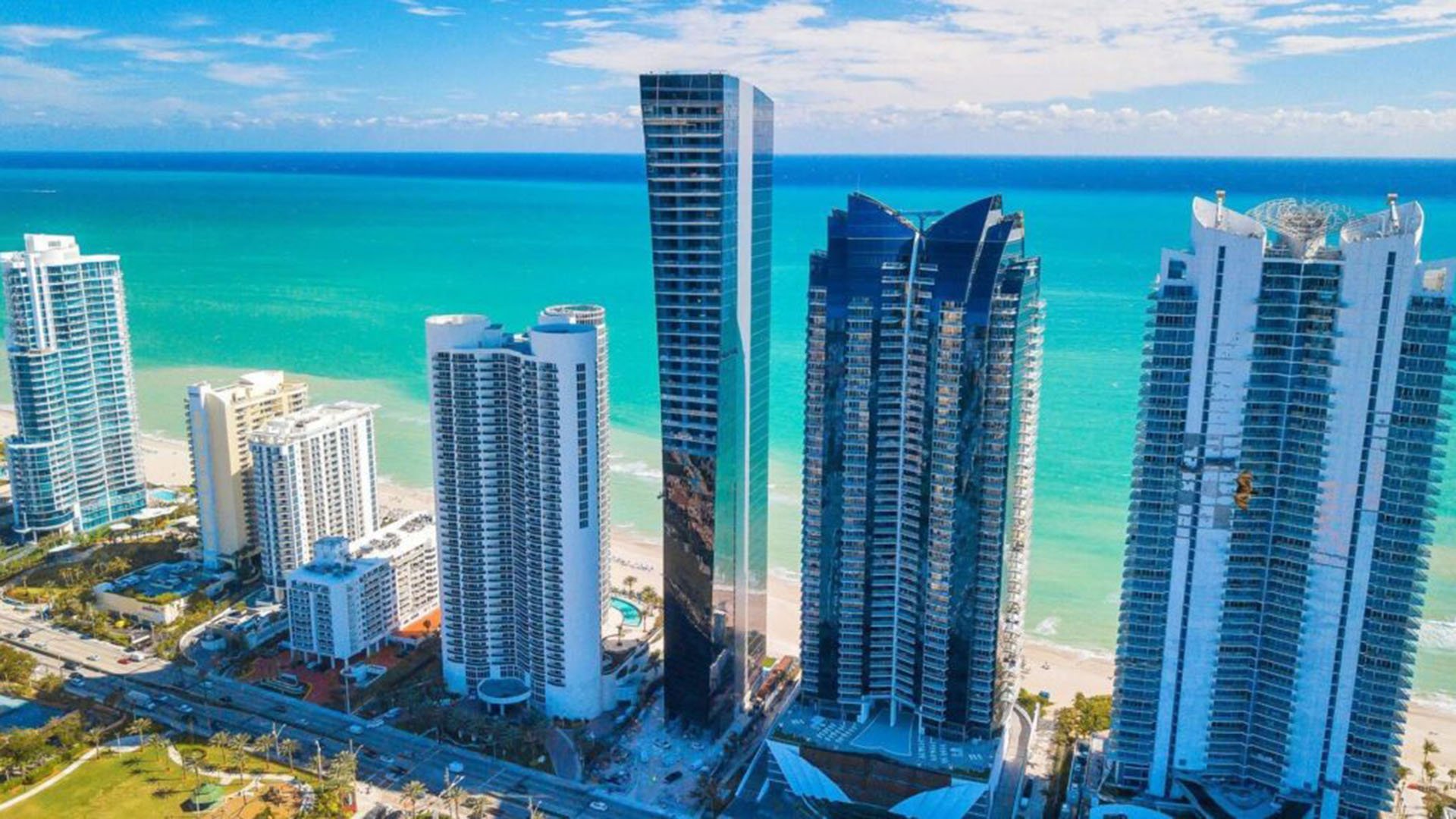
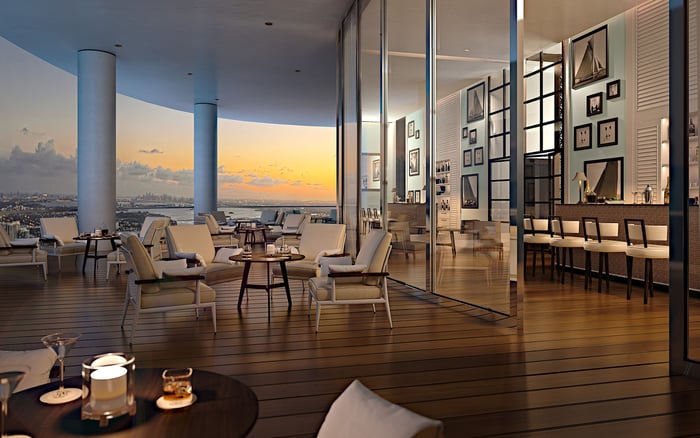
At Muse Residences Sunny Isles Beach, the appeal is unusually clear: a boutique condominium setting on Collins Avenue, direct beachfront access, contemporary architecture, extensive glass frontage, and deep private terraces. Many residences feature floor-through layouts, while smart-home technology, privacy, art, and tailored service define the ownership experience.
The financial picture deserves equal clarity. Carrying cost is not a single line item. It reflects the combined effect of association charges, insurance, reserves, in-residence maintenance, taxes, utilities, and any private staffing or management selected by the owner. Current association fees, premiums, reserve balances, budgets, and assessment history should be established through current documents, not assumptions.
For buyers comparing oceanfront options across Sunny Isles Beach, including Jade Signature Sunny Isles Beach and Armani Casa Sunny Isles Beach, the useful question is not simply which monthly figure is lower. It is what each figure includes, what it excludes, and how reliably the operating plan supports the property.
Begin with two ledgers. The association ledger may encompass common-area operations, building personnel, concierge functions, beachfront and pool facilities, fitness and spa areas, shared systems, insurance, and reserve contributions, subject to the current budget and governing documents. The owner ledger typically captures residence insurance, utilities not included by the association, interior maintenance, housekeeping, property management, and personal staffing choices.
This distinction is particularly important in a boutique building. A lower residence count may support privacy and tailored service, but buyers must examine how shared costs are allocated across the ownership base. Scale alone supports no reliable conclusion. The budget, allocation method, collection history, and reserve position provide the relevant context.
Compare inclusions carefully when considering another service-oriented property such as The Ritz-Carlton Residences® Sunny Isles. Similar headline fees can represent materially different service packages and owner responsibilities.
Insurance analysis should begin with the association’s current declarations, coverage limits, deductibles, exclusions, named-storm provisions, and responsibility boundaries. Buyers should identify which building components are collectively insured and which finishes, contents, improvements, liabilities, or loss-of-use exposures remain the residence owner’s responsibility.
The annual premium is only one element. A large deductible or narrow coverage boundary can materially influence an owner’s contingent exposure after an insured event. Ask how deductibles may be allocated, whether claims have affected the program, and how the association addresses coverage changes during the budget year.
Residence-level coverage should then be coordinated with the association’s master policy. The objective is to avoid both gaps and unnecessary overlap. Qualified insurance and legal advisers should interpret the documents for the specific residence and ownership structure.
Reserves and maintenance answer different questions. Maintenance funds current operations and recurring care. Reserves are intended for eligible future repair and replacement needs. At an oceanfront tower with broad glass frontage, private terraces, beachfront facilities, a pool, and wellness amenities, buyers should understand how the association plans for both routine upkeep and longer-cycle work.
Request the latest reserve study or equivalent analysis, current reserve balance, planned contributions, funding assumptions, and schedule of anticipated projects. Then compare those materials with board minutes, audited financial statements, recent budgets, and assessment history. The goal is not merely to identify a large reserve number, but to determine whether the funding plan corresponds to known obligations.
Maintenance scrutiny should extend to service contracts, staffing categories, common-area care, technology systems, and amenity operations. A well-presented property can still carry deferred obligations, while a substantial budget may reflect a deliberate standard of care. Context matters more than any single ratio.
The association budget does not replace an interior operating plan. Extensive glazing, outdoor living areas, smart-home components, appliances, climate control, finishes, furnishings, and art may each require regular inspection or specialist care. Owners should build a residence-specific calendar covering preventive maintenance, vendor access, warranty tracking, storm preparation, and post-storm review.
A contingency allowance can absorb irregular interior work without conflating it with association reserves. Buyers evaluating privacy-led alternatives such as Regalia Sunny Isles Beach should apply the same discipline: compare the actual residence, its systems, and the desired service standard rather than relying on price per square foot or association fees alone.
The most useful ownership model is always tailored to the property and the way it will be occupied.
Second-home ownership introduces a distinct set of choices. A residence used only part of the year may still require year-round oversight, including periodic inspections, climate monitoring, vendor coordination, deliveries, housekeeping, terrace preparation, and pre-arrival readiness. These are planning categories, not verified Muse association services or fixed costs.
Some owners may prefer a single local property manager. Others may independently coordinate housekeeping, private assistance, maintenance vendors, and specialty care. The appropriate structure depends on frequency of use, residence size, furnishings, art, privacy expectations, and the desired level of arrival-ready service.
Ask which tasks the building covers, which can be arranged through concierge functions, and which remain the owner’s direct responsibility. Written scopes, access protocols, insurance certificates, and approval procedures are more dependable than informal expectations.
A serious estimate should be assembled from the latest association budget, insurance declarations, reserve materials, audited financial statements, board minutes, assessment history, governing documents, and any pending project disclosures. Review several periods when available to distinguish recurring expenses from temporary items.
Then create three views: the expected annual budget, a higher-cost scenario incorporating plausible variable expenses, and a liquidity plan for deductibles or assessments. Do not annualize a monthly fee without confirming what it covers and whether known changes are pending.
The resulting figure should reflect both collective obligations and the owner’s chosen standard of private care. That is the more precise measure of waterfront ownership at Muse.
Are current association fees for Muse stated here? No. Buyers should obtain the latest association budget and current account information for the specific residence.
What should be reviewed in the master insurance policy? Review coverage limits, deductibles, exclusions, named-storm terms, and the boundary between association and owner responsibility.
Does the association policy replace residence-level insurance? Not necessarily. An insurance adviser should coordinate owner coverage with the association’s current master policy.
Why do reserves matter to a buyer? Reserves help show how eligible future repair and replacement obligations are planned and funded.
Is a large reserve balance automatically sufficient? No. The balance should be assessed against identified projects, funding assumptions, and anticipated timing.
What maintenance areas deserve particular attention? Review common systems, amenities, beachfront facilities, the pool area, glazing, terraces, technology, and service contracts as applicable.
Should seasonal owners budget for year-round oversight? Often, yes. Periodic inspections, climate monitoring, vendor access, and arrival preparation may continue while an owner is away.
Are private staffing costs included in association charges? Buyers should not assume so. Confirm covered building services and budget separately for owner-retained personnel or vendors.
How should special-assessment risk be evaluated? Examine board minutes, reserve materials, financial statements, project plans, and the association’s assessment history.
What is the best way to compare Muse with another condominium? Compare inclusions, exclusions, insurance structure, reserves, service scope, residence condition, and private operating needs on a like-for-like basis.
For a tailored shortlist and next-step guidance, connect with MILLION.
If branded residences are on your mind — as a home or as an allocation — we would be glad to share what we are seeing, privately.
Begin a quiet conversation