A buyer-focused look at branded residences in South Florida, separating the real value of service, design, and identity from the fundamentals a name cannot replace.
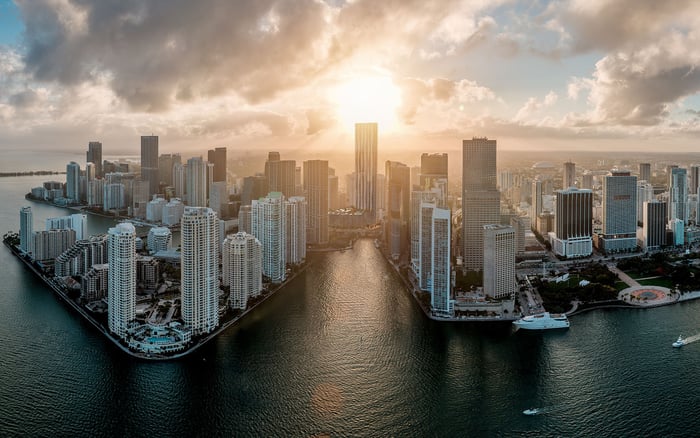
South Florida has become fluent in the language of branded residences. In Brickell, Miami Beach, Sunny Isles, Pompano Beach, and Boca Raton, names once associated with hotels, fashion, design, hospitality, and collectible objects now appear on private residential towers. For the right buyer, that can be compelling. A brand can signal service expectations, design discipline, social tone, and confidence in execution.
But experienced buyers do not purchase the name alone. They ask a more exacting question: what does the brand actually add to the way I will live, and what remains governed by the timeless fundamentals of real estate?
The answer is nuanced. A strong brand can give a residence a point of view. It can shape the arrival sequence, amenity culture, service standard, and emotional atmosphere of the building. It can help a buyer understand whether the property is meant to feel like a private club, a resort, a design object, a wellness retreat, or a highly serviced urban home. Yet the brand does not change the view corridor, exposure, ceiling height, quality of the plan, financial structure of the association, or daily realities of the surrounding neighborhood.
The clearest value of a brand is not the logo. It is translation. A name should translate into a recognizable residential experience, from the way residents arrive to the way common spaces feel long after the initial tour. In the best cases, the brand informs the details owners notice over time: material choices, lighting mood, staff posture, food and beverage sensibility, wellness programming, privacy conventions, and the rhythm of hospitality.
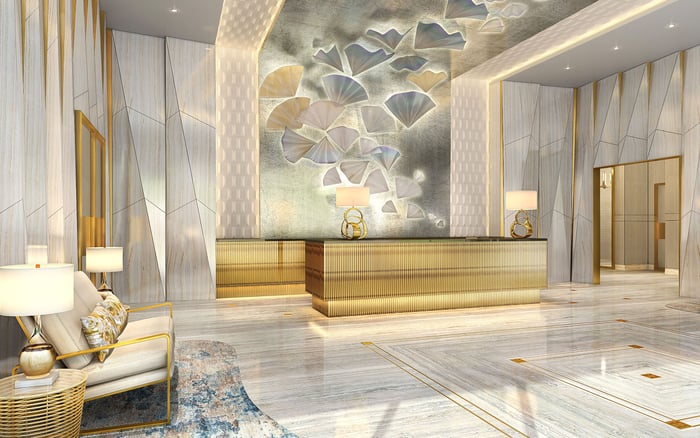
Consider the way buyers approach 888 Brickell by Dolce & Gabbana. The question is not simply whether the fashion name is recognizable. It is whether the design language, shared spaces, and private residential experience create a coherent world that feels natural to the owner. For some, that theatricality and style may be precisely the point. For others, it may be more expressive than they want for daily life.
A brand can also clarify expectations. A hospitality-led residence suggests a service mindset. A design-led residence suggests a more curated aesthetic. A wellness-led residence suggests a daily routine organized around restoration and performance. A fashion-led residence may place greater emphasis on atmosphere, spectacle, and visual identity. None of these categories is inherently better. The value depends on personal fit.
A brand does not make every floor equal. It does not turn a compromised view into a protected one, make an inefficient plan live larger, or eliminate the need to understand parking, storage, elevator access, guest policies, pet rules, rental limitations, and association governance. It cannot replace careful review of the offering, contract, budget, or long-term operating model.
This is especially important in South Florida, where lifestyle is often inseparable from micro-location. A branded tower in Brickell offers a different daily rhythm than an oceanfront setting, an island address, a marina-oriented enclave, or a quieter residential district. The name may travel globally, but the owner still lives locally. Morning traffic, school proximity, restaurant access, beach access, boating needs, airport patterns, and neighborhood energy all matter.
The brand also does not guarantee appreciation. It may influence attention, perception, and marketability, but long-term value remains tied to scarcity, execution, location, maintenance, governance, views, floor plan quality, and the depth of the buyer pool at resale. A sophisticated purchaser treats the brand as one layer of the decision, not the foundation of the entire thesis.
Hotel and hospitality brands tend to speak in the language of service. Buyers should focus on how that service is structured for residents, not just visitors. Is the environment designed for privacy, convenience, and consistency, or does it feel more like an extension of a public hotel experience? The distinction matters for owners who want service without sacrificing discretion.
Design and lifestyle brands often place greater emphasis on atmosphere. In Brickell, Baccarat Residences Brickell invites a buyer to consider how a known design identity can influence arrival, entertaining, and daily living. The essential question is whether the aesthetic will feel timeless to the owner, or whether it is too closely tied to a moment.
Automotive and object-driven brands can be especially interesting when they translate ideas of engineering, movement, privacy, and precision into residential form. With Bentley Residences Sunny Isles, the buyer’s lens should move beyond recognition and toward the practical implications of the concept: how the building supports arrival, storage, privacy, views, and the rituals of daily ownership.
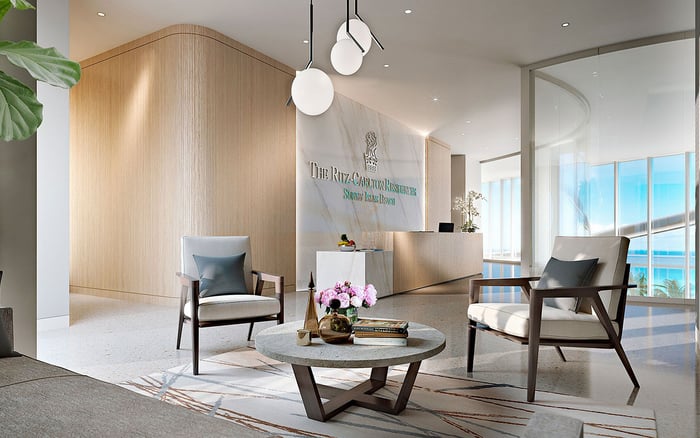
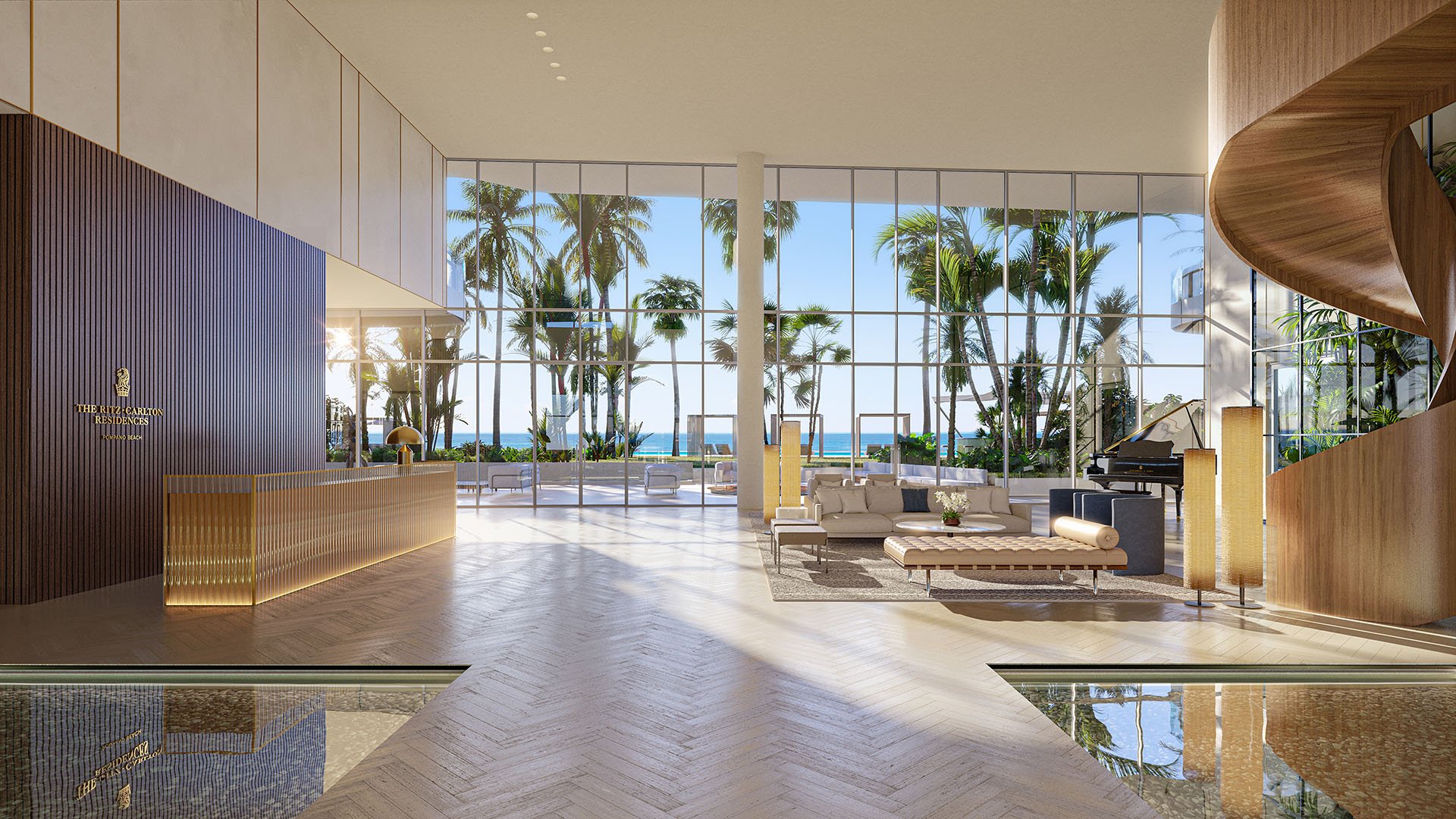
Hospitality names with deep service associations require another form of diligence. At The Ritz-Carlton Residences® Pompano Beach, the buyer should consider whether the service promise aligns with the desired cadence of life, particularly for those who want a polished environment without feeling over-managed.
In Boca Raton, The Residences at Mandarin Oriental Boca Raton represents a different kind of brand conversation, one centered on calm, service, and residential composure. For many buyers, that tone may matter as much as the architecture itself.
A branded residence should be evaluated with the same discipline as any other trophy property. Start with the plan. Does the residence live well every day, or only photograph well? Are the primary rooms properly proportioned? Is the terrace genuinely useful? Does the kitchen support the owner’s lifestyle? Are secondary bedrooms well placed for guests, children, staff, or flexible use?
Then study the building. The most persuasive branded projects align the name, architecture, amenity program, service model, and location into one coherent experience. If any one of those elements feels disconnected, the brand may be doing more marketing work than residential work.
Finally, consider your own use case. A primary residence requires different scrutiny than a seasonal home, a pied-à-terre, or a long-term hold. A buyer who entertains often may prize arrival, catering support, and public-room drama. A buyer focused on restoration may prefer wellness, quiet, and privacy. A family may care more about storage, school routes, staff flow, and building culture than a glamorous lobby.
The best branded residences in South Florida are not valuable because they are branded. They are valuable when the brand clarifies and elevates the residential experience in a way the buyer will use, feel, and appreciate over time. The name should make the building more legible, not distract from its fundamentals.
A disciplined buyer asks three questions. First, does the brand’s promise show up in the daily life of the residence? Second, would the property still make sense without the name? Third, does the brand align with the way the owner actually wants to live?
If the answer to all three is yes, the brand can be a meaningful advantage. If not, it is decoration.
What is a branded residence? It is a private residence associated with a recognized hospitality, design, fashion, wellness, or lifestyle name that influences the residential concept.
Does a branded residence guarantee better resale? No. A brand may support perception and marketability, but resale still depends on location, execution, governance, views, layout, and demand.
What should buyers evaluate first? Start with the fundamentals: location, floor plan, exposure, privacy, building quality, association structure, and how the residence will be used.
Is a hotel-branded residence the same as living in a hotel? Not necessarily. The most successful versions deliver service while preserving the privacy and rhythm of a true private home.
Are fashion-branded residences mostly about design? Design is often central, but buyers should also examine functionality, materials, service, amenities, and whether the aesthetic feels durable.
Can a brand make a building feel more consistent? Yes, when the brand informs service standards, interiors, amenities, and tone in a disciplined way across the entire property.
What does Brickell offer branded-residence buyers? Brickell typically appeals to buyers who want an urban residential setting with dining, business, and cultural access close at hand.
Should seasonal buyers look at branded residences differently? Yes. Seasonal owners may place greater value on service, security, maintenance support, and a building that feels effortless after arrival.
What is the biggest mistake buyers make? The biggest mistake is letting the name overshadow the residence itself, especially the plan, view, operating costs, and long-term fit.
When is the brand truly worth it? It is worth it when the brand enhances daily living in ways the owner genuinely values, rather than simply adding recognition.
For a confidential assessment and a building-by-building shortlist, connect with MILLION.
If branded residences are on your mind — as a home or as an allocation — we would be glad to share what we are seeing, privately.
Begin a quiet conversation