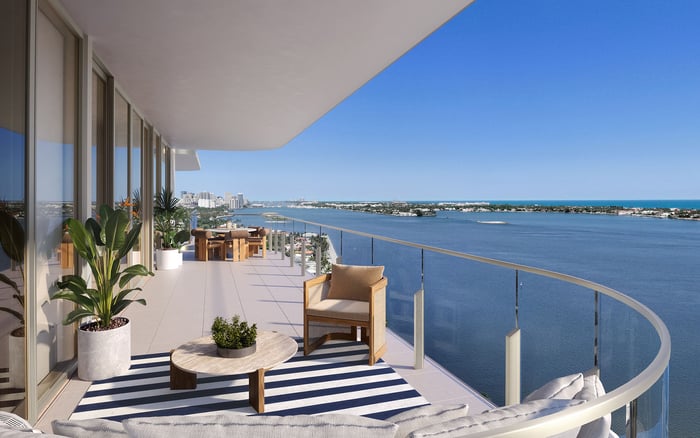
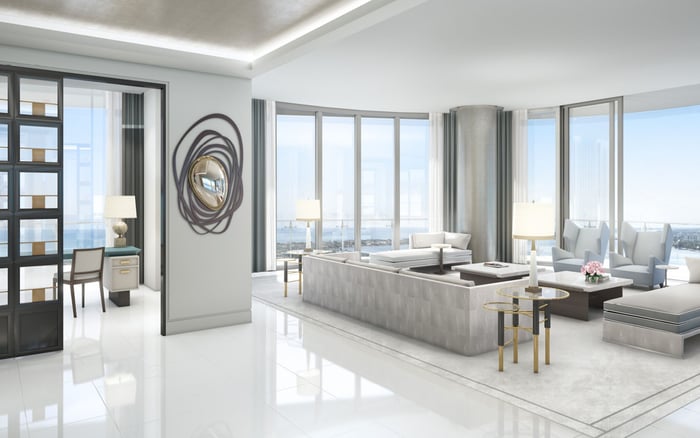
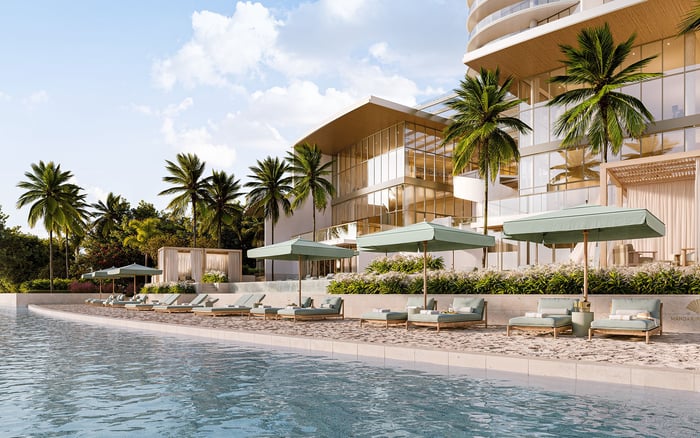
A buyer-focused guide to evaluating balcony-use rules at South Flagler House in West Palm Beach, with attention to terrace lifestyle, storm protocols, entertaining, daily use, and resale value.
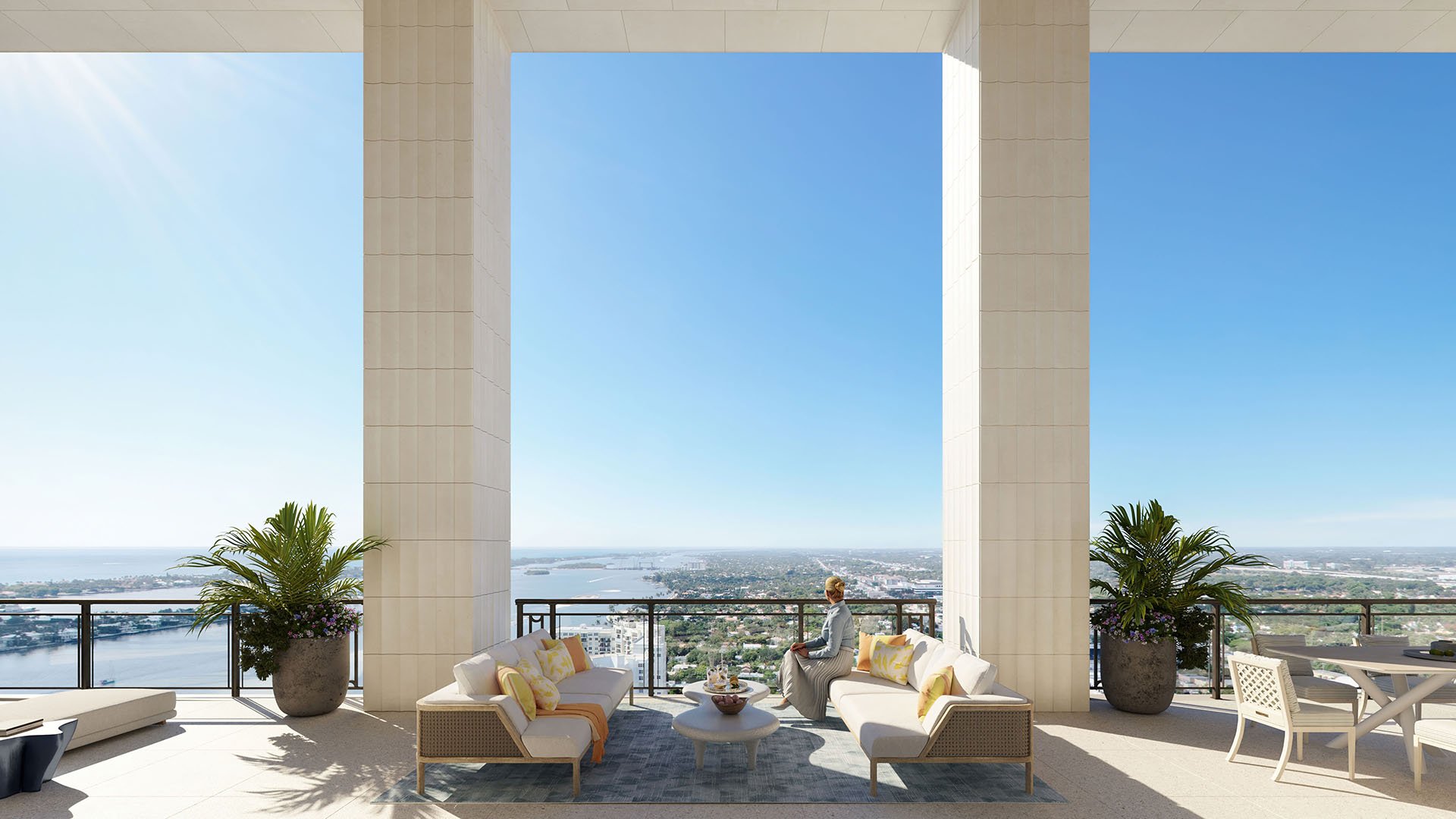
At South Flagler House in West Palm Beach, the balcony is not a decorative afterthought. The project is tied to the South Flagler waterfront corridor, and its residential promise is closely linked to indoor-outdoor living. For households weighing a purchase, terrace rules are a lifestyle consideration, not a minor administrative detail.
A large terrace can read beautifully on a floor plan. It can also be less useful than expected if building rules limit furniture, shade, dining, music, planters, lighting, storage, or guest use in ways that do not match the owner’s routine. The question is not simply whether the residence offers generous outdoor space. The sharper question is how freely, comfortably, and consistently the household can use it.
That is especially relevant on the West Palm Beach waterfront, where terraces may frame views toward the Intracoastal Waterway and Palm Beach Island. In that setting, balcony-use rules shape the daily rhythm of the home: morning coffee, late-afternoon shade, quiet reading, outdoor dining, calls taken in fresh air, and evenings with guests.
Waterfront condominium living places a premium on the threshold between interior rooms and open air. At South Flagler House, that threshold is part of the experience buyers are evaluating alongside the floor plan, view corridor, amenities, service culture, and association governance.
The most elegant terrace is only as valuable as its permitted use. A buyer who imagines a planted outdoor room should know whether planters are restricted by size, weight, drainage, or placement. A household expecting long dinners outside should understand dining rules, guest limits, sound expectations, and quiet hours. A resident who wants soft evening lighting should confirm whether decorative lighting is allowed and whether it must meet a particular standard.
Balcony policy is not merely about compliance. It is about the translation of architectural intent into lived experience. South Florida buyers often speak broadly about indoor-outdoor living, but sophisticated due diligence narrows that phrase into practical questions: What can be placed outside, when can the terrace be used, how private does it feel, and what must be removed or secured when weather changes?
Balcony rules often begin with the most visible elements. Buyers should review whether outdoor furnishings, planters, umbrellas, rugs, heaters, grills, lighting, and storage items are restricted by the condominium documents or house rules. Restrictions may be driven by aesthetics, safety, maintenance, wind exposure, insurance expectations, or the desire to preserve a consistent building appearance.
For a luxury waterfront residence, this can be a positive discipline when it protects the architecture. The same rules that prevent clutter may also preserve sightlines, facade consistency, and the quiet visual order expected in a premium building. Still, each household should decide whether that discipline enhances or narrows the way it wants to live.
Shade is one of the most important practical topics. If umbrellas, privacy screens, or exterior coverings are limited, the terrace may be most comfortable at certain times of day and less comfortable at others. Buyers should think beyond the sales tour and imagine the space in ordinary use: breakfast sun, afternoon glare, evening breeze, and the transition from a quiet household moment to a guest setting.
Storage is another revealing category. If cushions, children’s items, pet accessories, or utility objects cannot remain on the balcony, residents may need interior storage nearby. The better the outdoor space, the more important the supporting interior logistics become.
For households that entertain often, balcony-use rules deserve particular attention. A terrace can be the most memorable part of a residence when it supports drinks at sunset, outdoor dining, and intimate gatherings against the water. It can also become a source of friction if the building’s expectations differ from the owner’s social habits.
Buyers should ask how terrace occupancy is handled, whether music is permitted outdoors, how quiet hours are enforced, and whether dining setups face any restrictions. These questions are not about pushing boundaries. They are about matching the building culture to the household culture before committing.
Some owners prefer a serene building where terraces remain calm and visually composed. Others want flexibility for family dinners, visiting friends, and occasional celebrations. Neither preference is inherently better. The right answer depends on whether the rules support the way the residence will actually be used.
Full-time residents should focus on everyday usability. That means shade, furniture permissions, pet routines, children’s safety, privacy screening, railings, slip resistance, maintenance access, and the ease of keeping the terrace clean. A balcony used every day requires different scrutiny than one enjoyed only during occasional visits.
Seasonal owners should put storm protocols at the top of the list. They should confirm whether terrace furniture must be removed, secured, or stored during hurricane season, tropical weather, or extended absences. The issue is not only convenience. It is also the practicality of managing the residence when the owner is away.
Work-from-home buyers have their own checklist. A terrace may seem ideal for calls or reading, but owners should test whether glare, noise exposure, privacy, and building rules make outdoor work realistic. If the balcony cannot support a laptop, call, or quiet hour without compromise, it may be better understood as a leisure space rather than an extension of the office.
Retirees and downsizers should look closely at comfort and safety. Furniture weight, wind exposure, surface texture, railing confidence, and maintenance requirements can matter as much as the view. The best terrace for a downsizer is not always the largest. It is the one that feels effortless, secure, and easy to enjoy.
Balcony-use rules may influence resale because future buyers will compare usable outdoor living, not just nominal terrace square footage. A residence with a disciplined but highly functional terrace may compete strongly if buyers understand exactly how the space can be furnished, shaded, and enjoyed. A larger terrace with confusing restrictions may require more explanation.
This is where governance becomes part of value. Buyers often compare waterfront residences by view, interior finish, amenity package, and address. At the highest level, they should also compare the rules that affect how the residence lives. A terrace that supports the owner’s daily routine can become one of the home’s defining assets.
For a West Palm Beach buyer, the vocabulary matters: balcony discipline, terrace comfort, water-view quality, new-construction governance, and second-home readiness all sit within the same decision. These are not separate concerns. Together, they determine whether the residence feels elegant only on paper or genuinely graceful in daily use.
Before moving from interest to commitment, buyers should ask for the condominium declaration, bylaws, house rules, architectural guidelines, and any terrace-specific policies. They should also review storm procedures, insurance-related requirements, sales disclosures, and any standards governing exterior items.
The review should be practical. Rather than asking only, “Are there balcony rules?” buyers should ask specific lifestyle questions. Can I keep dining furniture outside year-round? Are planters allowed? Are umbrellas permitted? What about outdoor rugs? Can decorative lighting remain in place? Are grills or heaters prohibited? What happens before a storm? Who is responsible for moving or securing items during an extended absence?
A careful buyer should also consider how rules are enforced. A policy that is rarely clarified can be just as important as one that is strictly written. The goal is not to seek loopholes. It is to understand the lived standard of the building and decide whether it fits the household’s expectations.
Why do balcony rules matter at South Flagler House? Because terraces are central to the waterfront living experience, rules can shape how residents relax, entertain, furnish, and use views.
Should buyers focus only on terrace size? No. Usable outdoor living matters more than nominal square footage if rules limit furniture, shade, dining, or storage.
What terrace items should buyers ask about? Buyers should review permissions for furnishings, planters, umbrellas, lighting, rugs, grills, heaters, and storage items.
Are entertaining rules important? Yes. Households that host frequently should understand occupancy, music, outdoor dining, guest use, and quiet-hour expectations.
What should seasonal owners confirm? They should clarify hurricane-season protocols and whether furniture must be removed or secured during storms or long absences.
Can balcony rules affect resale value? They can. Future buyers may compare how usable the outdoor living space feels, not simply how large the terrace appears.
What should work-from-home buyers consider? They should evaluate noise, glare, privacy, call suitability, and whether outdoor work setups are allowed under building rules.
What should downsizers review closely? Downsizers should focus on safety, railing comfort, slip resistance, furniture weight, wind exposure, and ease of maintenance.
Which documents should buyers request? Buyers should request the declaration, bylaws, house rules, architectural guidelines, and any terrace-specific policies.
What is the best way to evaluate the balcony lifestyle? Walk through a normal week of use, then test every desired activity against the building’s written rules and practical expectations.
To compare the best-fit options with clarity, connect with MILLION.
If branded residences are on your mind — as a home or as an allocation — we would be glad to share what we are seeing, privately.
Begin a quiet conversation