A discreet due-diligence guide for seasonal owners preparing a Turnberry Ocean Club residence, vehicle and access plan for the quieter summer months.

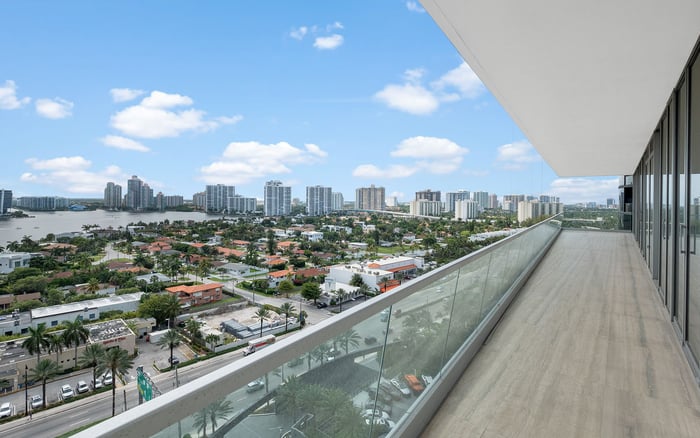
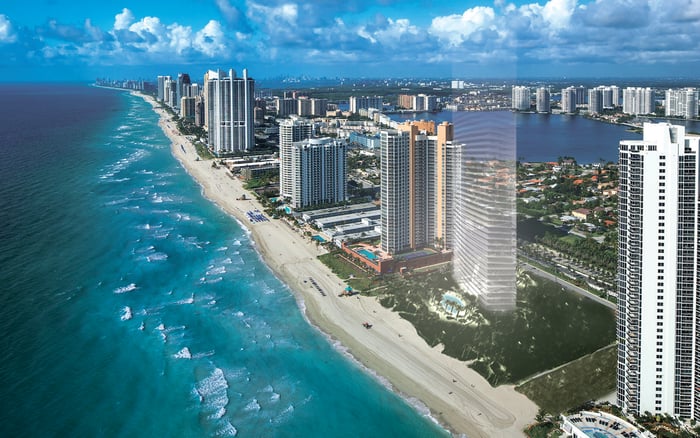
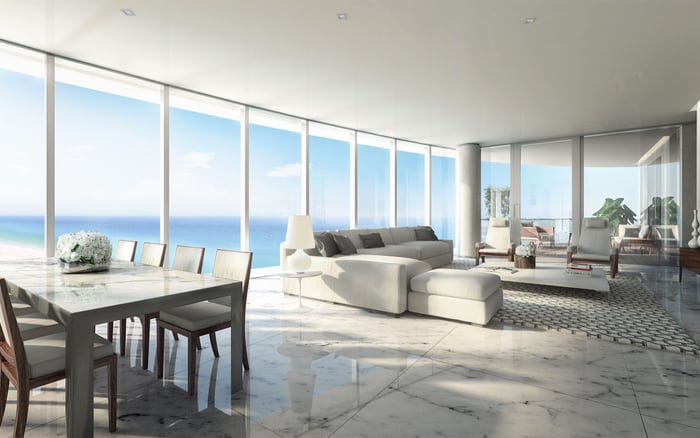
For snowbirds, the appeal of Turnberry Ocean Club Sunny Isles is clear. The oceanfront condominium stands at 18501 Collins Avenue in Sunny Isles Beach, with flow-through residences oriented to direct ocean and Intracoastal views. Ceiling heights range from 10 to 12 feet, reinforcing the sense of scale seasonal buyers often seek in a South Florida second home.
Yet the practical measure of a seasonal residence is not simply how it lives while occupied, but how confidently it can be left for several months. Before closing-or well before the final spring departure-owners should obtain the current declaration, bylaws, rules, budget, insurance requirements and written procedures governing extended vacancies. Marketing materials may help define the lifestyle, but features, specifications and amenities can change. Current association documents should guide the decision.
This discipline is equally relevant when comparing nearby options such as Jade Signature Sunny Isles Beach or The Ritz-Carlton Residences® Sunny Isles. Each building has its own operating culture. The right choice is the one whose written rules align with the owner’s intended pattern of use.
A locked residence is not necessarily a protected residence. Seasonal owners should confirm whether management requires notice of an extended vacancy, a local contact or formal access instructions. The documentation should identify who may enter for a leak, HVAC issue, inspection or emergency repair, and clarify whether authorization must be submitted through a form, portal or another building-approved process.
The same review should cover housekeepers, private managers and vendors. Ask how each person is registered, whether credentials expire and how much notice is required before arrival. Absentee owners may consider a local management provider for routine inspections and storm-season oversight. The scope, frequency, reporting and access authority should all be documented directly.
This is the operational core of second-home ownership: no ambiguity about who watches the residence, who has permission to enter and who communicates with building management.
Before leaving, owners should ask management and their insurance advisers which precautions apply during a prolonged absence. The building’s current vacancy, emergency-entry, insurance and hurricane procedures should be confirmed in writing.
A sound plan assigns responsibility for interior inspections, air-conditioning monitoring, plumbing concerns and prompt escalation. It should also establish how the owner receives evidence that each visit occurred. If an issue affects another residence or a common element, the plan should define who contacts management and who may approve immediate work.
Oceanfront living adds another reason to make the protocol precise. Buyers considering Bentley Residences Sunny Isles alongside Turnberry should apply the same standard: compare actual association requirements, not assumptions based on location or service level.
Owners leaving a car for the summer should verify garage, valet and vehicle-registration procedures before departure. They should also confirm the current process for a vehicle that will remain unused for months. EV owners should ask whether charging spaces may be used for prolonged parking, how charging is billed and whether anyone may move or access the vehicle if necessary.
Package handling also deserves attention. Confirm storage limits, notification practices and what happens when a delivery is not collected promptly. Redirecting routine shipments may be more reliable than expecting indefinite storage.
Turnberry offers more than 70,000 square feet of amenities across six dedicated levels, including a multilevel Sky Club intended for residents and their guests. Residents are also offered access to Turnberry golf, tennis, marina, resort and waterpark privileges, along with Fontainebleau Aviation privileges. Owners should ask which access rights remain active while the residence is vacant and whether service, membership or related charges continue through the summer.
Long-term rentals may appear to offer an elegant way to offset carrying costs, but the current governing documents must fit the intended strategy. Buyers should verify whether a six-month minimum rental term and a limit of no more than two rentals annually apply. Those terms would support a long-term model rather than short-term, hotel-style use, but both require direct association confirmation before a buyer relies on them.
Pets require the same caution. Restrictions are not clear, including whether large pets are permitted for owners and renters. Request written confirmation covering the number of animals, size or breed limitations, tenant-pet rules and restrictions in common areas. Listing language should never substitute for the current rules.
This due-diligence standard is particularly useful for buyers comparing other Sunny Isles choices, including Muse Residences Sunny Isles Beach. Lifestyle similarities do not imply identical leasing, guest or pet policies.
The most effective summer plan can be reduced to one controlled file shared with the appropriate parties. Include the vacancy notice, emergency contacts, approved entrants, insurance contacts, inspection schedule, vehicle instructions and vendor authorizations. Add written confirmation of package rules, amenity status, recurring charges, leasing limits and pet restrictions.
Before departure, ask management to acknowledge receipt and identify the correct channel for urgent communication. Buyers still conducting due diligence should request governing documents and seasonal-occupancy guidance. This turns an oceanfront residence from a beautiful winter address into a well-administered year-round asset.
Should management be told that the residence will be vacant for the summer? Confirm the current notice requirement and submit any required dates, contacts and access instructions in writing.
Who should be authorized to enter during an emergency? Name a trusted local contact or manager and document the exact authority granted under building procedures.
How often should an empty residence be inspected? Ask management and the owner’s insurance adviser what frequency is required, then record every completed visit.
Can a vehicle remain in the garage for several months? Verify current garage, valet, registration and prolonged-parking rules before leaving it onsite.
What should an EV owner confirm? Clarify charging access, billing, parking duration and whether another authorized person may move the vehicle.
Can the residence be rented for only part of the summer? Confirm whether a six-month minimum rental term applies, along with current eligibility and frequency requirements.
Are short-term rentals permitted? Verify the current minimum rental term and whether the rules permit short-term, hotel-style occupancy.
Are large pets permitted? Obtain written rules covering the number, size and breed of pets, as well as tenant-pet policies and common-area access.
Will amenity or membership charges stop while the home is empty? Ask which charges continue during vacancy and whether any access status changes while the owner is away.
Which documents matter most before departure? Keep current rules, insurance requirements, vacancy instructions, access approvals and emergency contacts together.
When you're ready to tour or underwrite the options, connect with MILLION.
If branded residences are on your mind — as a home or as an allocation — we would be glad to share what we are seeing, privately.
Begin a quiet conversation