A discreet due diligence guide for seasonal owners preparing a Cipriani Residences Brickell home for Miami’s summer conditions, storm season, remote monitoring, emergency access, and an extended absence.
For a seasonal buyer at Cipriani Residences Brickell, leaving Miami for the summer requires more than locking the residence. Owners should translate expectations about inspections, access, maintenance, and emergency response into written procedures before an extended absence.
The essential questions are who is responsible, what is included, how quickly action may occur, and how each intervention will be recorded. Owners should identify the roles of the condominium association, property manager, and any branded service team rather than assuming that one party handles every issue.
Confirm whether management offers scheduled inspections of vacant residences and obtain the scope in writing. The protocol should identify the frequency, areas and systems reviewed, person performing each visit, documentation supplied afterward, and escalation process when something appears abnormal.
The departure plan should also state who may enter following a leak alert, HVAC alarm, power interruption, or storm warning. Establish whether the owner, an authorized representative, or both must approve entry, and determine how keys or digital credentials are controlled. Ask how management records the time, reason, personnel, observations, and corrective steps associated with every visit.
Review association provisions governing keys, authorized representatives, vendors, deliveries, work inside the residence, and emergency entry during an extended absence. Seasonal purchasers comparing Baccarat Residences Brickell or St. Regis® Residences Brickell can apply the same discipline: governing documents and written operating procedures should be reviewed for each property.
A locked door is not a complete summer strategy. Owners should agree on residence-specific settings for air conditioning, humidity control, automated shades, and any exterior furnishings.
Determine whether the residence’s smart-home, HVAC, leak-detection, or shade systems permit remote monitoring. Then decide who receives each alert and who has documented authority to respond. A notification without a defined response path may not produce timely action.
Review sensitive finishes and personal property room by room. Ask management and qualified specialists to recommend suitable settings and closure procedures instead of assuming that one temperature or shade position is appropriate throughout the residence.
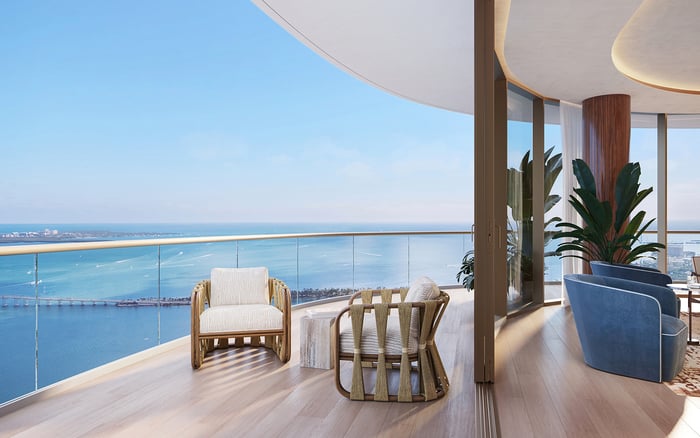
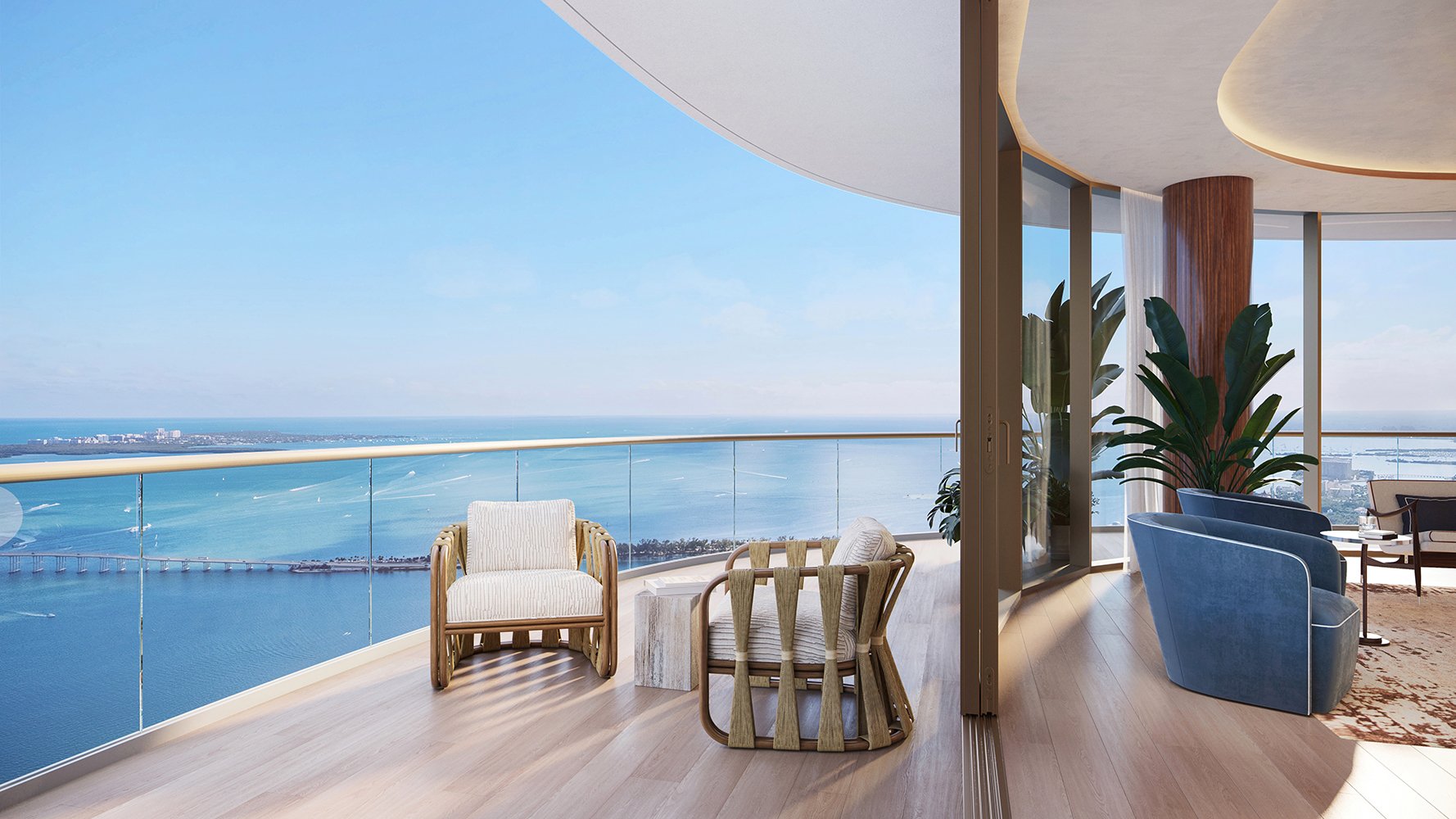
If the residence has a terrace, preparation should address furniture, accessories, planters, doors, and other items exposed to wind or driven rain. Confirm what must be moved, who can perform that work if a warning arises after departure, and where items may be stored without obstructing the residence or common areas.
Verify whether glazing, terrace doors, shutters, or other storm-protection components require owner action. Request the building’s hurricane communication protocol, including alert channels, access restrictions, post-event inspections, and reopening procedures. The plan should define what owners can expect before, during, and after an event.
Backup power also requires written clarification. Ask which common systems receive generator power and whether any in-unit systems continue operating during an outage. Owners should understand what happens to cooling, connectivity, sensors, elevators, access controls, and other relevant systems rather than relying on assumptions.
The same inquiry can be applied when evaluating The Residences at 1428 Brickell. The purpose is not to presume identical operations, but to compare each property’s documented approach to prolonged absence and severe weather.
Seasonal residents should ask whether engineering, security, concierge, dining, valet, and other offered services maintain the same staffing and schedules during summer. If schedules vary, identify the appropriate contact for routine requests, overnight incidents, building-system concerns, and storm communications.
A vehicle left behind requires a separate plan. Confirm applicable garage or valet rules, liability limits, insurance requirements, battery-maintenance options, and any storm-relocation procedure. Written authorization should identify who may access or move the vehicle, under what conditions, and how the owner will be notified.
Compare every building service with the owner’s unit-level insurance obligations. Management inspections do not automatically replace required coverage, loss-prevention measures, or policy conditions. The insurance adviser, association, and management team should be aligned before departure on vacancy provisions, emergency mitigation, access authorization, and documentation.
Assemble a single departure file containing authorized contacts, access permissions, inspection terms, alert routing, HVAC and shade settings, terrace instructions, vehicle permissions, insurance contacts, and hurricane communications. Keep a copy accessible remotely and confirm that management has the current version.
Before leaving, arrange a final walkthrough with the appropriate building representative if available. Test remote systems, verify contacts, photograph relevant conditions, and request acknowledgment of the agreed plan. A precise, documented response path can make remote ownership easier to manage.
Who should oversee a vacant residence at Cipriani Residences Brickell? Owners should obtain written confirmation of how the association, property manager, and any branded service team divide responsibility.
Are vacant-residence inspections automatically included? Do not assume they are. Confirm availability, frequency, scope, reporting, and any separate terms directly with management.
Who should receive leak and HVAC alerts? Designate recipients who can receive timely notice and have documented authority to arrange access or corrective action.
What summer climate settings should an owner use? Establish residence-specific settings for cooling, humidity, and automated shades with qualified advisers and management.
Does impact-resistant glazing eliminate storm preparation? Owners should not make that assumption. Confirm whether glazing, terrace doors, exterior furnishings, or other components require action.
Will in-unit air conditioning operate on generator power? Request written details identifying generator-supported systems and the status of in-unit cooling during an outage.
Can management enter during an emergency? Entry depends on governing rules and authorization. Confirm triggering events, key control, notification procedures, and access records.
Do hospitality services remain unchanged in summer? Ask whether offered engineering, security, concierge, dining, and valet services maintain the same staffing and schedules.
What should happen to a vehicle left in the building? Confirm storage or valet rules, insurance, liability, battery care, access authority, and any storm-relocation procedure.
Does building oversight replace unit insurance obligations? No. Owners should align management services and loss-prevention steps with their policy requirements.
When you're ready to tour or underwrite the options, connect with MILLION.
If branded residences are on your mind — as a home or as an allocation — we would be glad to share what we are seeing, privately.
Begin a quiet conversation