A discreet due-diligence framework for separating a residence purchase from marina privileges, confirming dockage rights, testing vessel compatibility, and protecting expectations before closing.
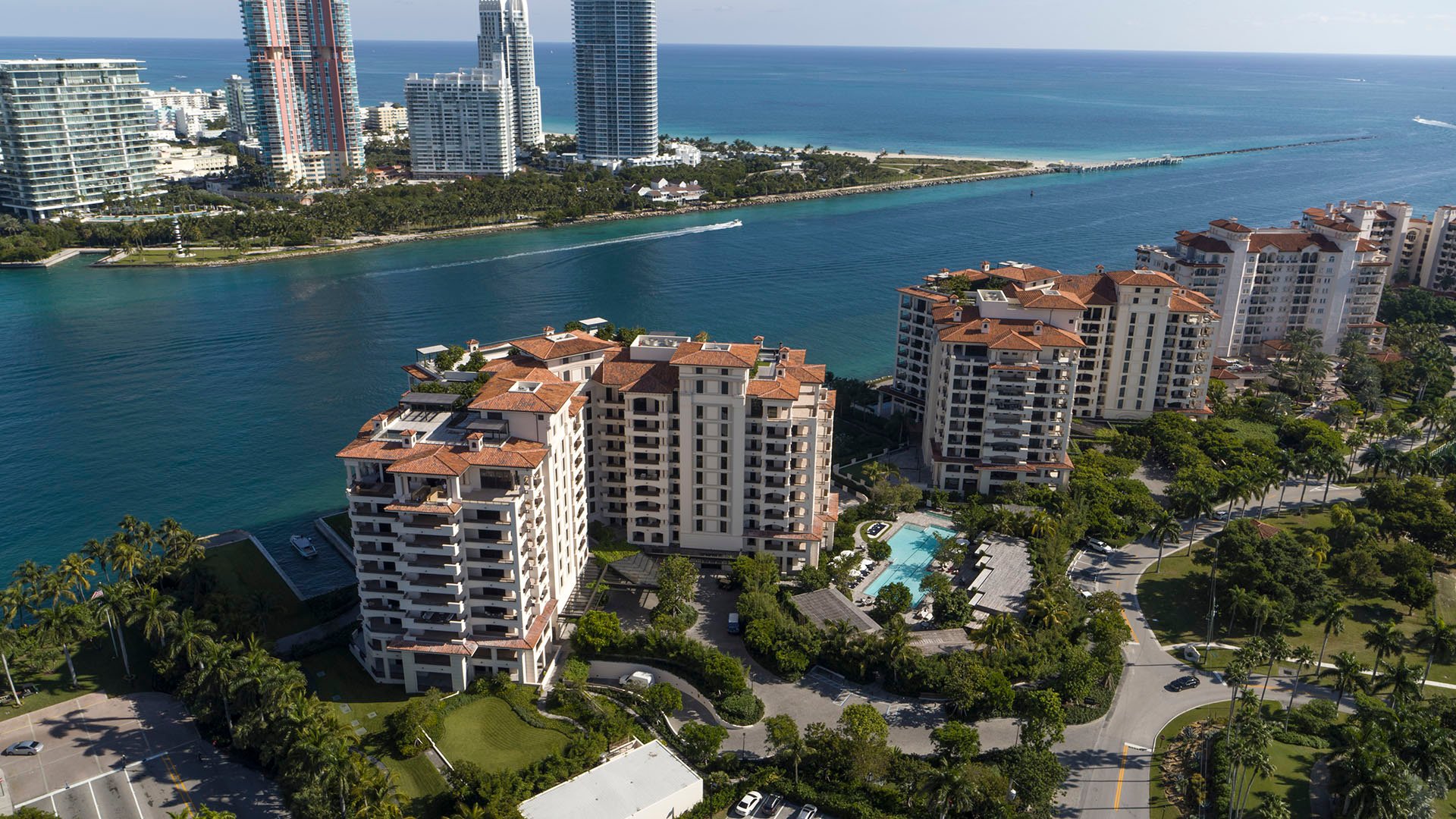
For a yacht owner, purchasing on Fisher Island is not simply a decision about architecture, views, privacy, or finish. It is also an operational decision. A residence may satisfy every aesthetic requirement while the intended boating arrangement depends on a separate set of permissions, agreements, fees, physical constraints, and approvals.
That distinction should shape the inquiry from the first viewing. Buyers considering The Links Estates at Fisher Island, for example, should evaluate the home on its own merits while placing every marina-related expectation on an independent diligence track. The same discipline applies regardless of price, residence type, or intended frequency of use.
The objective is not to gather broad assurances. It is to establish exactly what the buyer will own, what the buyer may apply for, what remains discretionary, and what could change after closing.
“Marina access” can describe several materially different arrangements: the ability to enter a marina, eligibility to seek dockage, a separately documented slip interest, temporary accommodation, guest privileges, or services governed outside the residential purchase. A careful buyer should have the applicable arrangement defined in precise terms.
Begin by separating four concepts: ownership of the residence, membership or club status, use of a specific slip, and access for guests, tenders, captains, or service providers. Then determine which rights transfer automatically, which require a new application, which remain subject to approval, and which can be suspended or modified.
A purchaser evaluating The Residences at Six Fisher Island should not treat a project presentation, seller description, or conversational shorthand as a substitute for the current written terms governing the specific transaction.
Boat-slip language deserves the same scrutiny as title, parking, storage, and other valuable components of a luxury acquisition. The central question is whether a particular slip forms part of the conveyed property, is governed by a separate agreement, is assigned under a license, or is merely available through a process subject to capacity and approval.
Request the instrument creating the right and confirm the named holder, term, renewal structure, transfer procedure, termination provisions, and any restrictions on leasing or lending the space. Determine whether the seller’s arrangement survives a sale and whether the buyer must qualify independently. If a slip number is discussed, verify that the operative documents identify it consistently.
The financial review should be equally exacting. Obtain written confirmation of recurring charges, deposits, utilities, service costs, insurance obligations, taxes if applicable, and any pending or contemplated capital responsibilities that may affect the arrangement. The purpose is not merely to estimate annual carrying costs, but to distinguish expenses that are fixed, variable, discretionary, or capable of changing under the governing terms.
Bridge clearance is not a lifestyle adjective. It is a route-specific compatibility question that must be tested against the buyer’s actual vessel and intended operating plan. Have the yacht’s maximum air draft documented in its relevant configuration, including equipment that may alter its operating profile.
For each intended route, obtain current confirmation of controlling dimensions, operating restrictions, opening procedures where relevant, and the reference conditions used for any stated clearance. Do not rely on a casual estimate, an image, or the experience of a different vessel. The analysis should also establish whether antennas, outriggers, towers, arches, or other components can be lowered, by whom, and under what conditions.
A residence search that includes Palazzo del Sol should therefore pair property diligence with a written vessel-and-route matrix. One column identifies the yacht configuration; another records each route assumption; a final column states who verified the information and when it must be reconfirmed.
A refined waterfront purchase anticipates daily use, not merely closing day. Determine how captains, crew, contractors, fuel providers, provisioners, and maintenance personnel will be admitted. Clarify permitted hours, credentials, insurance documentation, parking, deliveries, staging, waste handling, and emergency procedures. These inquiries should seek current rules, not rely on assumptions about customary treatment.
The buyer should also map alternatives. If the preferred dockage arrangement is unavailable, delayed, or later changed, identify acceptable off-site options before committing to the residence. If temporary dockage matters during a transition, specify the required period and obtain the governing terms in writing.
For a purchaser considering Palazzo della Luna, this parallel planning keeps the residential decision elegant and the marine decision practical. Neither should be expected to compensate for uncertainty in the other.
The most useful lifestyle brief is written before negotiations begin. It should identify the vessel, intended users, expected frequency, preferred slip characteristics, service requirements, acceptable alternatives, and any route essential to the ownership experience. Counsel can then determine which matters belong in representations, conditions, document-review rights, approval contingencies, or closing deliverables.
Avoid clauses built around vague concepts such as convenient access or suitable dockage. Where an issue is decisive, define the required evidence and the deadline for receiving it. Preserve sufficient time for legal review, marine review, insurance inquiries, and direct confirmation from the party authorized to speak for the relevant facility or organization.
Investment discipline in this context means pricing certainty correctly. A residence with confirmed boating rights is not analytically equivalent to one whose marine use depends on a future application, a revocable arrangement, or an unverified route assumption. Buyers should not assign the same value to fundamentally different legal and operational positions.
Create a closing file containing the controlling documents, written approvals, fee schedules, rules, insurance requirements, vessel specifications, route analysis, and correspondence addressing unresolved items. Before releasing funds, verify that promised deliverables remain current and that the final documents reflect the negotiated understanding.
The finest outcome is quiet confidence: the home was selected for its residential qualities, the boating plan was tested independently, and no essential privilege was left to implication.
Does buying a Fisher Island residence automatically include marina access? Do not assume so. Confirm in current written documents which access, eligibility, or dockage rights accompany the specific residence.
Is a seller’s existing slip guaranteed to transfer? Transferability depends on the governing instrument and any required approvals. Counsel should verify the exact mechanism before the contract becomes unconditional.
What should identify a specific slip? The operative documents should consistently address its designation, location, dimensions, permitted use, term, and the party holding the right.
Who should confirm whether a yacht fits? Use qualified marine professionals to compare the vessel’s documented operating profile with the proposed slip and intended routes.
How should a buyer approach bridge clearance? Test each intended route against the yacht’s exact configuration and current operating information rather than estimates or comparisons.
Which marina costs deserve review? Request written details of all recurring charges, deposits, utilities, service expenses, insurance duties, and potential capital obligations.
Should captain and crew access be verified? Yes. Request current rules governing credentials, hours, parking, deliveries, contractors, insurance, and emergency procedures.
What if preferred dockage is unavailable at closing? Identify acceptable alternatives in advance and determine whether availability is important enough to become a contractual condition.
Can marketing language establish boating rights? Marketing cannot replace the executed instruments and current rules governing the residence, marina, club, or slip arrangement.
What belongs in the buyer’s closing file? Retain governing documents, approvals, fee schedules, rules, vessel specifications, route analysis, insurance requirements, and final confirmations.
To compare the best-fit options with clarity, connect with MILLION.
If branded residences are on your mind — as a home or as an allocation — we would be glad to share what we are seeing, privately.
Begin a quiet conversation