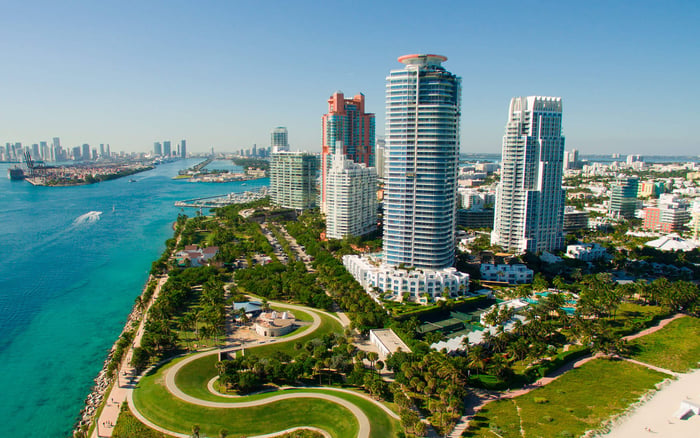
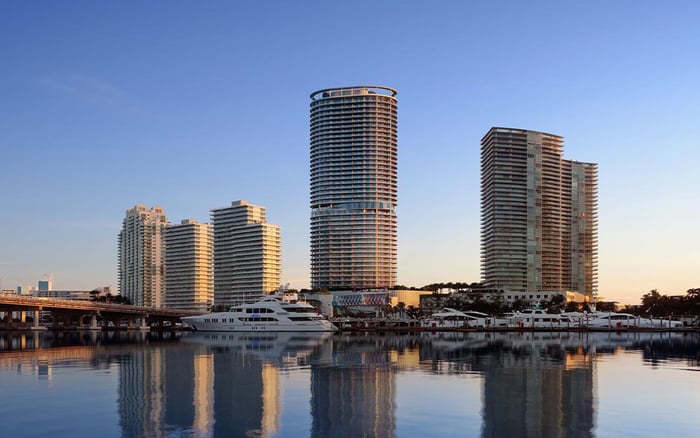
For a family office moving capital from Singapore into South Beach real estate, the essential preparation is financial choreography: net sale proceeds, committed liquidity, current documentation, and property-specific deadlines.
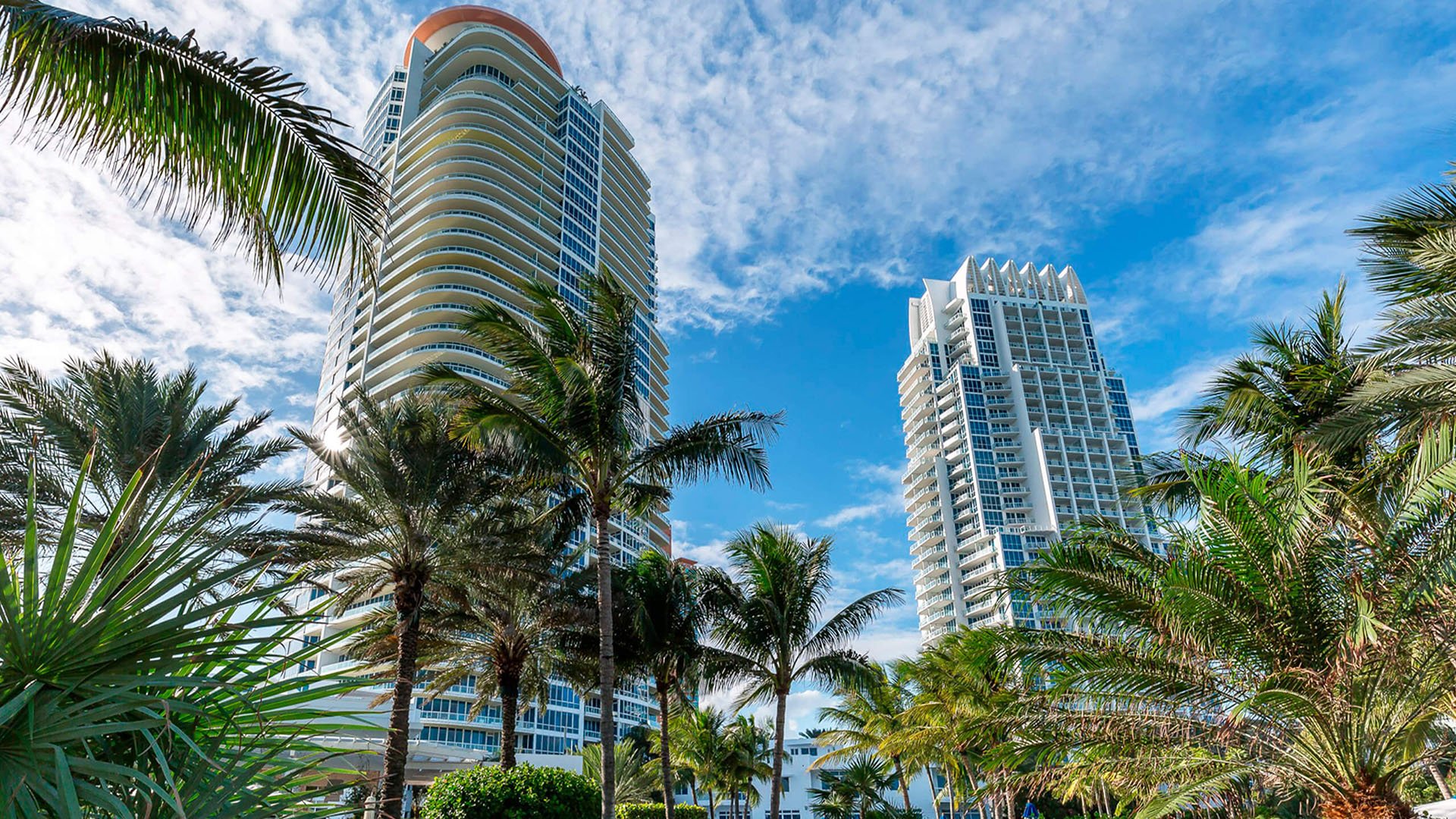
A South Beach residence may begin as a lifestyle decision, but a purchase funded by a Singapore asset sale warrants capital-allocation discipline. The critical question is not simply whether the family can afford the property. It is whether the purchasing entity can access the funds, document them, and deliver them when the contract requires.
Before making an offer, confirm the ownership structure, legal and tax advisers, financing strategy, and readiness of identity, banking, and entity documents. For a family office considering Apogee South Beach, that preparation should come before any assumption that an anticipated sale can support an immediate commitment. Financial capacity and closing readiness are distinct questions.
Assign one internal transaction lead to coordinate counsel, bankers, and the acquisition team. The objective is a single calendar distinguishing fixed obligations from conditional funding assumptions.
Start with the Singapore sale, but do not treat its headline price as the acquisition budget. Account for debt repayment, applicable taxes, and transaction costs to identify the proceeds actually available for transfer. Singapore tax treatment requires transaction-specific advice, not an assumed deduction or exemption.
Then build a separate U.S. uses-of-funds schedule. Identify contractual deposits, the remaining purchase balance, acquisition expenses, and any lender-required reserves. Show when each obligation falls due, not just the aggregate amount. A fully funded final closing does not solve a deposit due before the sale proceeds become available.
Keep foreign-exchange arrangements and transfer timing as explicit variables for the banking team to resolve. Ask when funds can be accessed, converted, and delivered rather than inserting a generic cross-border transfer estimate. The useful budget is a dated liquidity schedule, not a statement of overall wealth.
There are three planning alternatives: sell first, arrange committed bridge liquidity, or negotiate purchase terms that accommodate the sale. None is a guaranteed financing solution or contractual entitlement.
Selling first reduces reliance on an unfinished disposition, though the preferred residence may no longer be available when the family is ready. Bridging separates the acquisition timetable from the sale timetable, but only to the extent that the facility is committed and its conditions can be satisfied. Negotiated closing flexibility depends on the seller and the executed agreement.
For an acquisition at Continuum on South Beach, evaluate the proposed contract against the actual funding sequence; the address does not change the financial analysis. Ask counsel what happens if the Singapore sale slips, proceeds fall short of expectations, or financing remains conditional. A fallback should identify available capital and contractual options, not merely express confidence that both transactions will align.
Do not presume that a Singapore bridging product is eligible to fund a U.S. residence. Documentation for such products can include an Option to Purchase, CPF withdrawal statements, and outstanding-loan statements. Those requirements do not establish permitted use for a South Beach acquisition.
Confirm directly with the lender what collateral is acceptable, which currency the facility uses, whether deposits can be financed, and when repayment falls due. Pricing and advance rates require a specific proposal. Clarify approval conditions, draw requirements, and the consequences of a delayed sale before incorporating the facility into the purchase plan.
A financing conversation is not usable liquidity. A facility intended to bridge a short interval may be unsuitable for obligations extending beyond its maturity. Stress-test the funding calendar against a later sale and a later acquisition closing without assuming an extension will be available.
Proof of funds can take the form of recent bank statements showing liquid funds or a bank letter on official letterhead. Ideally, documents should be dated within 30 days and clearly identify the account owner, bank, and available balance. Treat this as a preparation benchmark, not a universal acceptance rule; confirm the recipient’s requirements.
Keep three documentation functions distinct. A balance statement shows available funds. Evidence of origin explains where the money came from. Financing approval addresses a lender’s commitment and conditions. Do not assume that one replaces another.
If the money comes from a recently completed asset sale, a certified closing statement can help document its origin. For an LLC purchase, company formation documents and an EIN may also be required. At Five Park Miami Beach, as with any contemplated acquisition, ask advisers to reconcile the account owner, intended purchaser, and proposed movement of funds before submitting the financial package.
Foreign-national borrowers should assemble loan documentation before shopping for financing. Common requirements include a passport, proof of income, bank statements, and a credit reference from the buyer’s home-country bank. Depending on the lender and transaction, an ITIN, reserves, and source-of-funds evidence may also be requested.
Liquidity preparation should proceed alongside property diligence. Review comparable sales, association financials where applicable, physical condition, title and liens, and insurance availability. Include rental projections if relevant to the acquisition strategy, along with lender or appraisal review when financing applies.
For a residence under consideration at Setai Residences Miami Beach, confirm the actual association approval process and transaction requirements rather than importing assumptions from another building. The financing plan should account for property-specific lender conditions. Neither a substantial account balance nor a compelling residence eliminates the need to resolve them.
South Florida new-development purchases may require an initial deposit of approximately 10% at purchase-agreement signing, subject to the project’s contract. Additional construction-stage deposits can create obligations well before final closing. Do not apply that percentage or a presumed schedule to any particular residence without reviewing its agreement.
For every payment, record the amount, due date or trigger, intended funding source, and remaining conditions. Refresh proof-of-funds materials as needed and retain evidence linking completed sale proceeds to the acquisition funds. Keep overall search-to-closing estimates separate from the deadlines in an executed purchase contract.
Address FIRPTA early with counsel whenever a foreign seller is involved in the U.S. transaction. It concerns dispositions of U.S. real property by foreign sellers; it is not a substitute for advice on the Singapore sale.
The strongest acquisition plan leaves the family free to judge the residence on its merits, with funding dependencies understood and contingencies deliberately addressed.
For a discreet conversation about aligning your South Beach search with acquisition readiness, connect with MILLION.
If branded residences are on your mind — as a home or as an allocation — we would be glad to share what we are seeing, privately.
Begin a quiet conversationSelling first reduces reliance on an unfinished sale, but it is not the only planning option. Committed bridge liquidity or negotiated closing flexibility may be alternatives, subject to lender approval and contract terms.
Separate the Singapore sale price from debt repayment, applicable taxes, and transaction costs to identify transferable proceeds. Match those funds against dated U.S. purchase obligations and any lender-required reserves.
Eligibility should not be assumed. Confirm permitted use, collateral, currency, deposit funding, draw conditions, and maturity directly with the lender.
Ideally, documents should be dated within 30 days and identify the account owner, bank, and available balance. Confirm the recipient’s specific requirements.
Recent bank statements showing liquid funds or a bank letter on official letterhead can serve this purpose. They should not be treated as substitutes for evidence of origin or financing approval.
A certified closing statement can help establish the origin of funds from a completed asset sale. Keep it separate from current evidence of available balances.
Common requirements include a passport, proof of income, bank statements, and a home-country bank credit reference. An ITIN, reserves, and source-of-funds evidence may also be requested.
An LLC purchase may require company formation documents and an EIN, alongside identification and evidence of sufficient funds. Confirm the structure and documentation with advisers before making an offer.
They may require an initial deposit of approximately 10% at signing and additional deposits during construction. The specific purchase contract controls the amounts and deadlines.
Address it early with counsel whenever a foreign seller is involved in the U.S. transaction. FIRPTA concerns foreign sellers’ dispositions of U.S. real property, not advice on the Singapore sale.