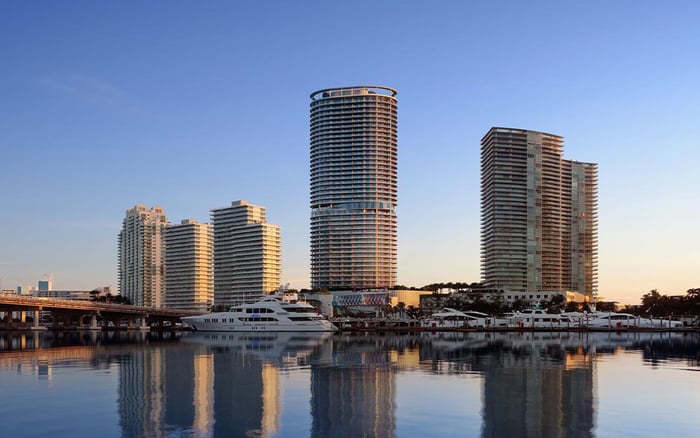
A private-client framework for evaluating South Beach condominium records, structural inspections, reserve funding and insurance history before committing to a residence.
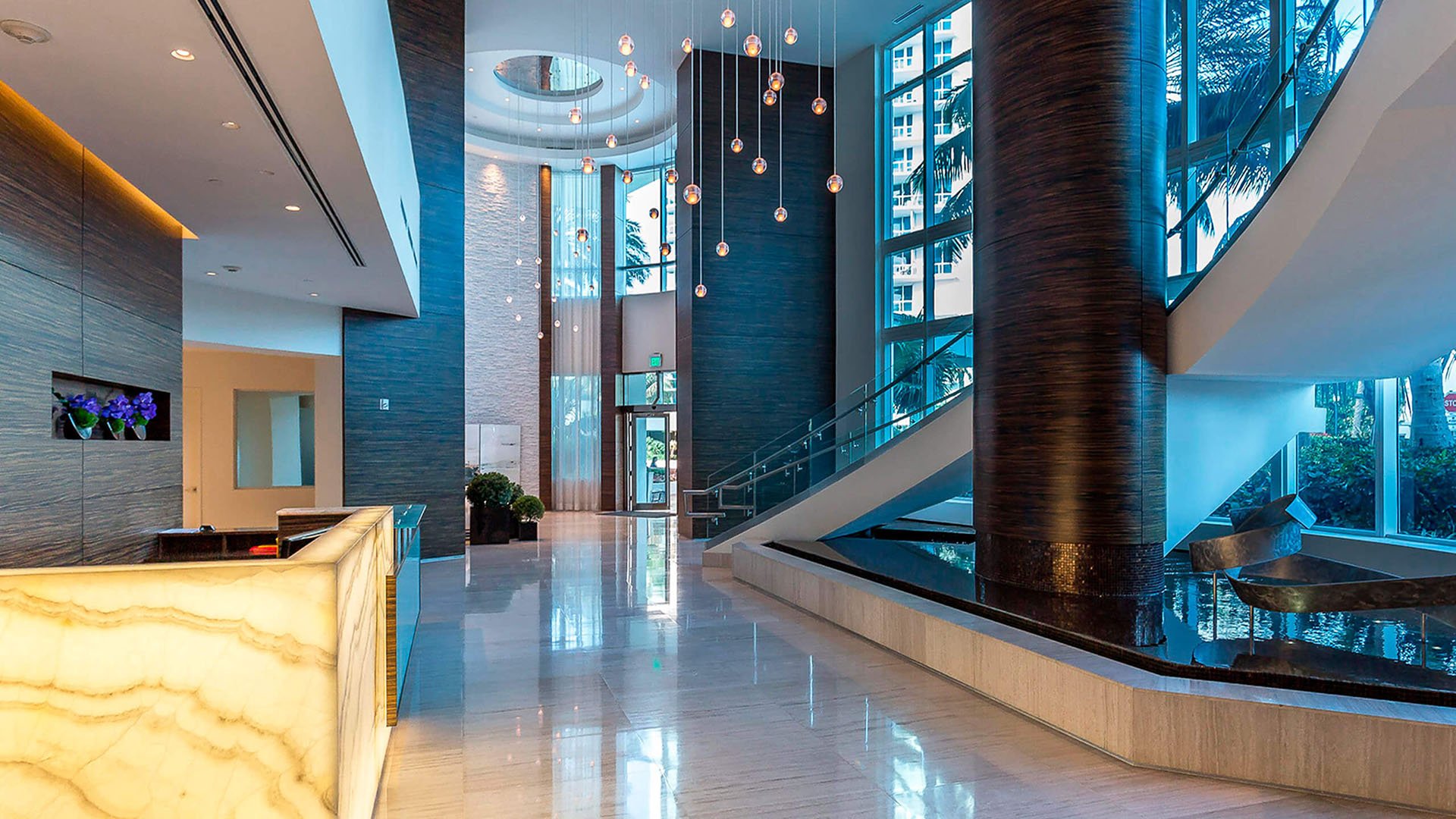
For a buyer rebasing from Geneva to South Beach, the acquisition merits two parallel reviews: the residence as a place to live and the association as a long-term financial commitment. Interiors, outlook and service belong in the first conversation. Structural obligations, reserve contributions and insurance belong in the second. Neither should wait until the final days before closing.
Whether your shortlist includes Apogee South Beach or another address, make documentary clarity a selection criterion. A polished presentation cannot substitute for a coherent record of inspections, repair decisions and funding. The project references here provide browsing context, not assessments of any association’s condition or compliance.
The objective is not to eliminate every uncertainty. It is to identify which obligations are documented, which remain unresolved and who will evaluate them before your purchase becomes unconditional.
Ask your Florida counsel to coordinate the document request with the association and seller. For the buyer’s review, seek three to five years of budgets, available audited financial statements and reserve schedules, together with at least two years of board and owner meeting minutes. These lookback periods are diligence preferences, not statements of statutory delivery rights.
Organize the file around four connected questions:
Governance: Ask counsel to review the declaration, bylaws, amendments and rules for provisions relevant to your intended use and financial obligations.
Engineering: Obtain completed milestone inspection reports, including Phase II where applicable, and proposals or contracts for recommended repairs.
Reserves: Request all available Structural Integrity Reserve Studies, adopted reserve budgets and documentation of subsequent funding changes.
Insurance: Ask your broker to specify the coverage and historical records needed for a meaningful review.
For a Geneva-based advisory team, appoint one local coordinator and maintain a written list of unresolved questions. Assign each question a responsible adviser, a requested document and a decision deadline aligned with the contract. This keeps the acquisition review from becoming a fragmented exchange of reassurances.
Florida requires structural milestone inspections for qualifying condominium buildings of three or more stories, with repeat inspections every 10 years after the initial inspection. A Florida-licensed engineer or architect must conduct the inspection.
Do not infer the initial deadline from a general coastal rule or an old legislative summary. Request the association’s written, building-specific compliance timeline and have counsel confirm its applicability under current law. Distinguish a commissioned inspection from a completed one-and a completed inspection from completed remedial work.
When evaluating Continuum on South Beach alongside other residences, apply the same standard of evidence: obtain the applicable engineering documents rather than carry assumptions from one building to another.
Read findings with particular attention to concrete deterioration, balconies, garages, pool decks and waterproofing. Where repairs are recommended, trace each finding through scope, proposal, contract, funding and completion documentation. Ask an independent qualified professional to interpret technical uncertainty rather than accepting a management summary as the final engineering judgment.
Residential condominium buildings of three habitable stories or more must obtain a Structural Integrity Reserve Study, or SIRS, at least every 10 years. With a visual inspection as part of its assessment, the study evaluates the funding needed for future major repairs and replacement of common elements.
Review the preparer’s qualifications, estimated component costs and remaining useful lives. Major categories include roofs, structural systems, fireproofing, plumbing, electrical systems, waterproofing and windows. The useful question is not simply whether a study exists, but whether its assumptions connect to the association’s financial decisions.
Compare the SIRS-recommended annual contribution with the adopted reserve budget. Then examine accumulated balances and any documented financing or funding adjustments. Keep these measures distinct: an annual contribution is not cash already held, and “fully funded” should not be read as requiring every future replacement cost to be held in cash immediately.
Associations subject to SIRS requirements face restrictions on waiving or underfunding covered reserves. HB 913 introduced reserve-related relief mechanisms, so ask counsel to review relevant votes and funding changes alongside the study. Do not assume a lower contribution is either automatically improper or permanently sustainable.
For a shortlist including Five Park Miami Beach, keep the residence’s appeal distinct from the financial evidence relevant to the purchase. Low monthly charges alone do not establish prudent reserve planning.
Budgets show adopted numbers; minutes help reveal the decisions behind them. Review at least two years of board and owner discussions for special assessments, borrowing, concrete restoration, balcony work and waterproofing. Match those discussions against engineering recommendations and reserve assumptions.
Older associations with inadequate reserves can face substantial special assessments when inspection findings turn deferred maintenance into required work. For your own underwriting, separate adopted assessments from proposed work and unresolved cost estimates. Ask counsel to establish how the purchase contract addresses assessment responsibility rather than relying on an informal understanding.
Request written explanations where the documents diverge. A repair discussed repeatedly but absent from the budget deserves a question. So does an adopted funding plan that cannot be reconciled with the study. Neither discrepancy alone proves a defect; both require resolution before you can price the commitment confidently.
Insurance review should connect the building’s physical findings with the coverage available for your purchase. Have your insurance broker, and your lender if applicable, assess inspection findings and reserve strength before you remove relevant purchase contingencies.
Ask the broker which current policies, schedules, deductibles, exclusions, renewal correspondence and available claims records should be examined. Request the history the association can document, and have the broker identify unanswered questions. This is a recommended inquiry, not a prescribed five-year disclosure requirement or a prediction about premiums.
For a residence at Setai Residences Miami Beach or another candidate, seek transaction-specific advice rather than assuming the address settles insurability. Ask the broker to explain the relationship between association coverage and the protection appropriate for your residence, without presuming that one replaces the other.
Before removing relevant contingencies, request a consolidated advisory summary covering applicable inspection obligations, outstanding repairs, reserve contributions, assessments and insurance questions. Missing required inspections or reserve studies warrant escalation to local counsel, especially where the association cannot document a compliance and funding plan.
For a cross-border buyer, discretion is best served by preparation. The preferred residence should come with obligations you understand, not merely a monthly figure you can afford. Let the documents inform the decision while the contract still preserves meaningful choices.
Explore South Beach residences with MILLION and bring a disciplined private-client perspective to your next acquisition.
If branded residences are on your mind — as a home or as an allocation — we would be glad to share what we are seeing, privately.
Begin a quiet conversationSeek three to five years of budgets, available audited financial statements and reserve schedules. This is a recommended review period, not a stated statutory delivery requirement.
Qualifying condominium buildings of three or more stories require repeat milestone inspections every 10 years after the initial inspection. Confirm the building-specific initial deadline with counsel.
A Florida-licensed engineer or architect must conduct the inspection.
A SIRS evaluates reserve funding needed for future major repairs and replacement of common elements, using a visual inspection as part of the assessment.
Residential condominium buildings of three habitable stories or more must obtain a SIRS at least every 10 years. Counsel should confirm the association’s applicable obligations.
Do not equate annual funding requirements with accumulated cash balances. Review recommended contributions, adopted budgets and any permitted financing or relief separately.
At least two years of minutes can help identify discussions of assessments, borrowing and structural repairs. Compare those discussions with adopted budgets and engineering recommendations.
Ask an insurance broker to identify the current coverage and available historical records needed for review. Do not assume a fixed five-year disclosure requirement or a particular premium trend.
Have them assess inspection findings and reserve strength before removing relevant purchase contingencies.
Escalate the issue to local counsel, particularly if the association cannot document a compliance and funding plan.