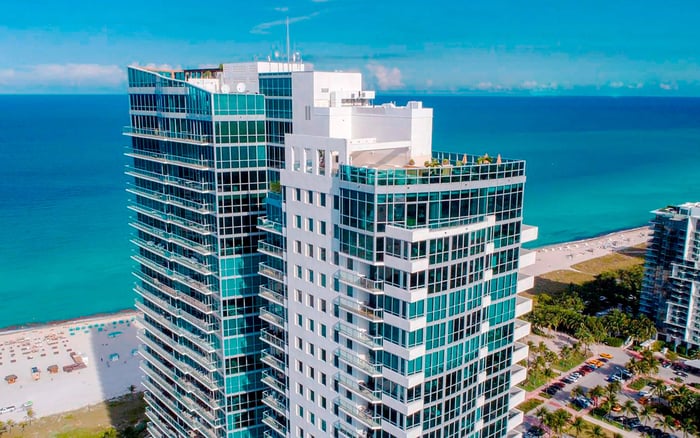
A discreet due-diligence guide for out-of-state buyers evaluating Setai Residences Miami Beach, from condo-hotel rules and rental programs to reserves, insurance, views, and resale liquidity.

For an out-of-state purchaser, Setai Residences Miami Beach is not a simple vacation-condominium decision. It is a South Beach luxury residence purchase that should be reviewed through both lifestyle and ownership lenses before a buyer treats it as a turnkey trophy asset.
The appeal may be clear to a buyer who wants a polished Miami Beach setting, resort-style service expectations, and a more discreet ownership experience. Yet those same qualities call for sharper diligence. Ownership documents, rental participation, cost allocation, physical condition, and future liquidity should all be reviewed before contingencies are waived or nonrefundable capital is committed.
For remote buyers, the central question is not only whether the residence looks exceptional during a showing. It is whether the specific unit, governing documents, operating structure, and long-term carrying costs match the buyer’s intended use.
The most important question is how the specific residence is governed. Some condo-hotel environments may involve rental-program rules, owner-use limits, hotel-management standards, or shared-cost arrangements that differ from a conventional condominium. Buyers should verify the exact terms that apply to the unit under review rather than relying on a general property description.
Before signing without contingencies, request the rental-program documents, management agreements, rules and regulations, and any unit-specific obligations. Confirm whether current rental or management commitments exist, whether an owner can change strategy, and how expenses are handled.
Potential income should be evaluated conservatively. It can depend on seasonality, traveler demand, unit condition, view quality, management strategy, and the owner’s net cost structure. A residence should still make sense if rental projections are lower than expected.
Any Miami Beach coastal residence should be reviewed through the lens of salt air, waterproofing, façade performance, mechanical systems, elevators, structural maintenance, and common-area infrastructure. Out-of-state buyers often focus on finishes and views during a brief visit, but the more consequential review may be found in budgets, reserve information, meeting minutes, insurance details, engineering histories, and planned capital work.
The condo-hotel overlay can also create shared-cost questions between residential and hospitality-related components. Buyers should examine governing documents carefully to understand how costs are allocated and whether shared facilities create obligations that differ from those of a standard condominium.
This review is especially important for buyers who will not be in South Florida year-round. A remote owner needs a clear plan for access, maintenance, insurance coordination, inspections, storm preparation, repairs, and communication with management.
A Setai residence should not be treated as a commodity. Unit economics can vary materially by floor, line, view, renovation quality, rental eligibility, and management choice. Buyers should compare the unit’s physical attributes with the way they actually intend to use the property.
A buyer seeking a personal retreat may prioritize calm, privacy, finish quality, and ease of ownership. A buyer focused on rental participation may place more weight on eligibility, furnishings, management rules, guest standards, and net economics. The purchase should begin with use case, then move to line, floor, view, documents, and costs.
Condition matters as much as the brochure. Review appliances, flooring, bathrooms, built-ins, lighting, terraces, doors, windows, mechanical components, and any prior renovation work. If the residence is offered furnished, buyers should confirm exactly what is included and whether the furnishings satisfy any rental or management requirements.
Setai is especially aligned with buyers who want a refined resort atmosphere rather than a highly nightlife-driven South Beach experience. Lifestyle fit can be as important as price, particularly for out-of-state purchasers choosing between personal use, seasonal occupancy, and potential rental participation.
A buyer comparing Setai with Shore Club Private Collections Miami Beach and The Ritz-Carlton Residences® South Beach should focus on ownership structure, privacy profile, service model, building timeline, and use restrictions rather than relying only on brand recognition. Farther along the Miami Beach luxury spectrum, 57 Ocean Miami Beach and Apogee South Beach may prompt different conversations around residential feel, neighborhood preference, and resale positioning.
The right comparison set clarifies what Setai is and what it is not: a branded Miami Beach luxury residence choice that should be evaluated as a unit-specific acquisition rather than a generic beachfront purchase.
Remote buyers should build a diligence file before committing nonrefundable capital. Key materials include the declaration, bylaws, rules and regulations, association budgets, reserve information, insurance details, assessment history, recent meeting minutes, rental-program agreements, management documents, and any public litigation records involving the condominium association, operator, or shared facilities.
The goal is not to eliminate every risk. It is to understand which risks belong to the building, which belong to the unit, and which belong to the ownership strategy. A fully renovated residence with strong views may still require careful review if rental obligations, assessment exposure, or shared-cost formulas are unfavorable.
For many out-of-state buyers, the best Setai purchase is the one that remains attractive even if rental projections are reduced, insurance costs rise, or a future buyer scrutinizes the same documents with equal care.
Is Setai Residences Miami Beach a conventional condominium? Buyers should not assume it functions like a standard condominium. The governing documents, management structure, and rental rules should be reviewed for the exact residence.
Why does the condo-hotel structure matter? It may affect owner use, rental participation, management fees, revenue splits, guest standards, and shared costs.
Can every residence be rented through a hotel program? Not necessarily. Buyers should verify the exact unit’s rental eligibility, current obligations, and management terms before relying on income assumptions.
Is rental income guaranteed at Setai? No. Potential income depends on seasonality, traveler demand, unit condition, view quality, fees, and the chosen management strategy.
What building condition items should buyers review? Focus on façade, structural, waterproofing, mechanical, elevator, and major systems maintenance, especially in a coastal environment.
Why are reserves and assessments important? They help indicate how the association may fund future capital work, insurance obligations, and major shared infrastructure needs.
Do floor and view materially affect value? Yes. Floor height, line, exposure, view quality, privacy, and proximity to activity can all influence desirability and economics.
Who is Setai best suited for? It may suit buyers seeking a refined Miami Beach setting with careful attention to service, privacy, and ownership structure.
Should out-of-state buyers review litigation records? Yes. Public litigation records involving the association, operator, or shared facilities can reveal issues not obvious during a property tour.
What is the safest way to approach a Setai purchase? Treat the residence as a unit-specific acquisition and review documents, physical condition, rental terms, insurance, reserves, and resale liquidity together.
If you'd like a private walkthrough and a curated shortlist, connect with MILLION.
If branded residences are on your mind — as a home or as an allocation — we would be glad to share what we are seeing, privately.
Begin a quiet conversation