A buyer-focused look at The Setai’s hotel-integrated ownership experience, from oceanfront amenities and service charges to unit-specific rental permissions and the fundamentals of resale value.
At 101 20th Street in South Beach, Setai Residences Miami Beach offers a distinct version of oceanfront ownership: a private residence connected to a hotel’s amenities and hospitality services. Completed in 2004, the property asks buyers to evaluate more than an apartment. The central consideration is the relationship between residential privacy and resort access.
That distinction matters most for buyers who want their time in Miami Beach to feel effortless. Pools, dining, wellness facilities, and beach service are central to the appeal. Yet an attractive hospitality offering is not an all-inclusive ownership agreement. Access rights, service charges, rental permissions, and the condition of the individual residence each deserve separate scrutiny.
The strongest purchase rationale begins with how the home will be used. A frequently occupied retreat, an occasional second residence, and a rental-oriented holding require different assumptions, even at the same address.
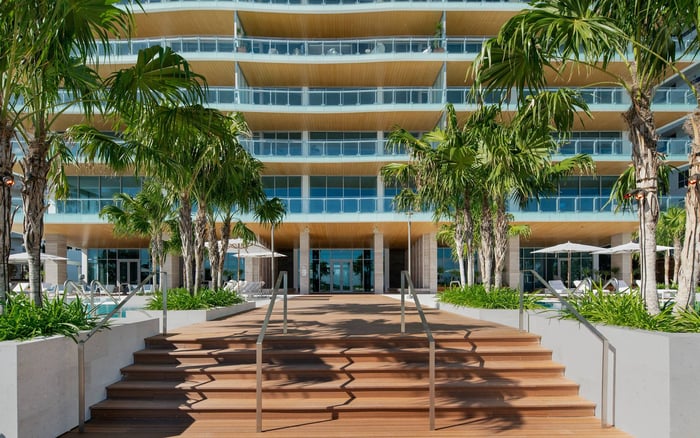
The Setai’s shared resort amenities include three oceanfront pools, spa facilities, and restaurants. The pools have distinct temperature settings: a 75°F lap pool, an 85°F central lounge pool, and a 90°F family pool. That variety adds a practical dimension to the outdoor experience beyond its visual appeal.
Wellness facilities include the Valmont Spa, a fitness center, Finnish saunas, and cold-plunge facilities. Dining centers on Jaya, Japón, and Ocean Grill. Beachfront seating and food-and-beverage service extend the hospitality experience to the shore, although beach service should not be confused with private ownership of Miami Beach’s public shoreline.
Residential service offerings include concierge assistance, valet parking, housekeeping, and in-residence dining. Buyers should confirm which services are available to their residence, how they are requested, and what they cost. Electric-vehicle charging and a custom bicycle fleet are also among the hotel’s offerings; access conditions should be checked rather than assumed.
The useful question is not merely whether a service exists, but whether its terms fit the owner’s routine.
The residential offering is not uniform. Configurations include studios, one- through four-bedroom residences, two-story townhomes, and penthouses, with sizes spanning approximately 847 to 6,151 square feet. A broad building description is therefore only a starting point for selecting a home.
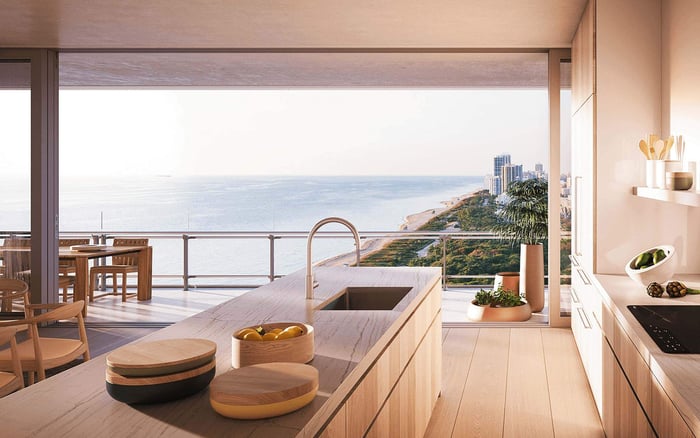
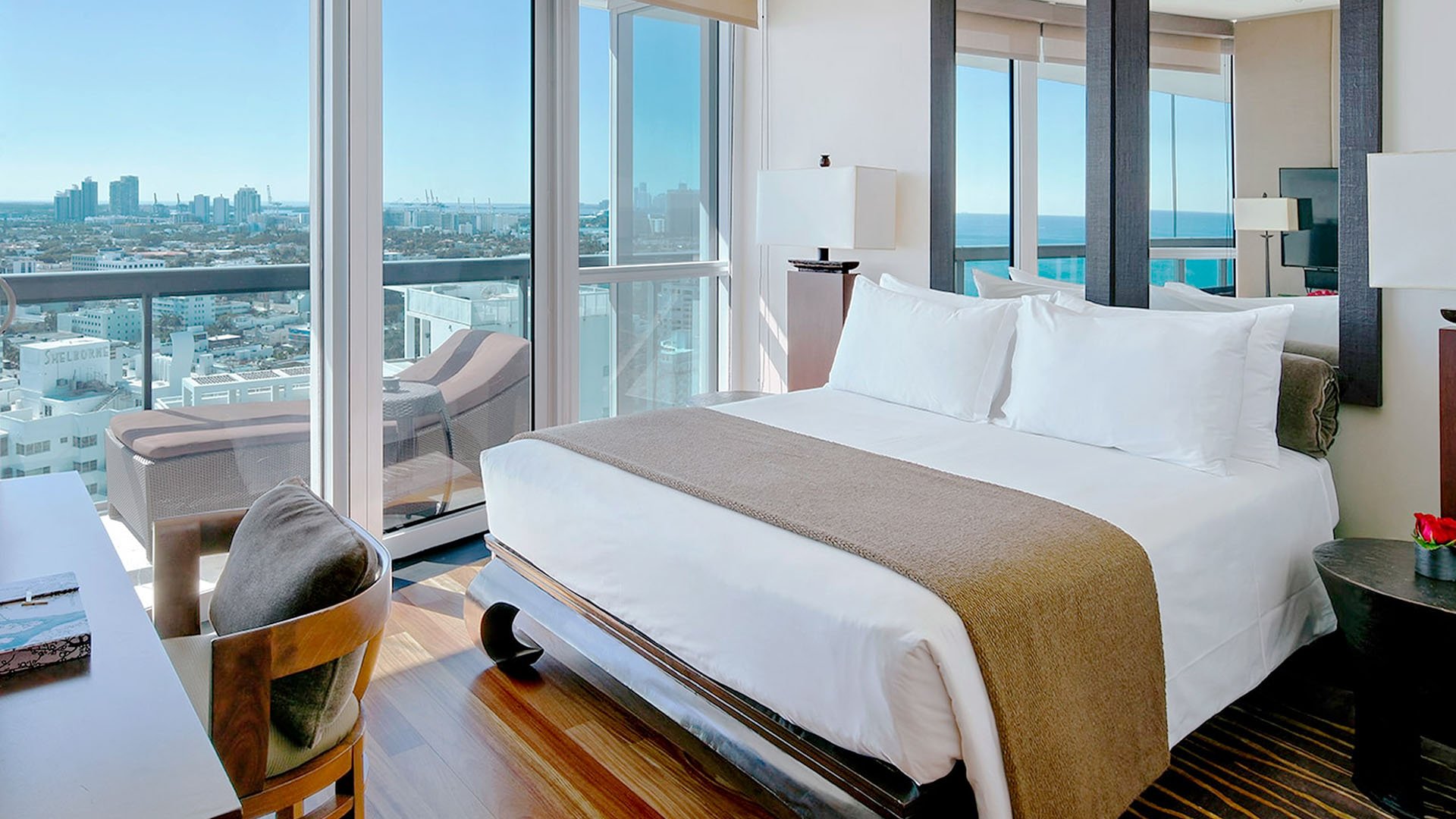
Finishes can include floor-to-ceiling impact glass, teak cabinetry or flooring, stone surfaces, premium appliances, and private balconies. Specifications vary by residence. Buyers should inspect the actual materials, maintenance history, and scope of any renovation rather than treating a general features list as a contractual specification.
For a broader Miami Beach search, a buyer might also consider Faena House Miami Beach. The productive comparison is residence by residence: layout, view, condition, recurring costs, and documented services. A project name alone cannot establish equivalence in privacy, hospitality access, or rental flexibility.
At The Setai, that discipline separates the appeal of the shared setting from the merits of the particular apartment being purchased.
Daily-rental potential is part of The Setai’s appeal, but it should not be treated as an unconditional building-wide right. Short-stay possibilities do not replace the need to review current condominium documents, association rules, applicable licensing requirements, or a residence’s program agreement.
Residence #3806 provides a specific example, with rental options described as daily, weekly, monthly, and annual, alongside rental-management programs. Those options illustrate the potential for at least some residences, not identical permissions or management terms throughout the property.
Before relying on rental income, obtain written confirmation of the intended stay length and the requirements that apply to the exact unit. Review whether participation in a management program is optional or required for the proposed arrangement, who controls bookings, and how owner occupancy is handled. Do not infer the answers from another residence’s rental options.
For an owner planning frequent personal visits, calendar control can be as important as rental eligibility. Flexibility has value only when the governing terms support the intended use.
A credible rental assessment separates gross bookings from the amount an owner retains. Revenue-sharing arrangements, management charges, housekeeping, furnishing standards, and owner-use limits all require confirmation. The available information does not establish standardized program economics across the residences.
The operating model should also account for taxes, insurance, association charges, maintenance, furnishing replacement, and vacancy. Request an itemized explanation of deductions, and distinguish documented operating history from projections. An attractive gross revenue figure cannot, by itself, demonstrate an attractive net result.
Personal occupancy belongs in the same analysis. Model the calendar you actually intend to keep rather than assuming every desirable rental period remains available to guests. The lifestyle benefit and the income opportunity draw on the same inventory of nights.
Buyers also considering The Perigon Miami Beach should apply the same discipline to written documentation. Rental rights and carrying costs require independent verification at each property; neither should be assumed by analogy.
The Setai’s access to oceanfront pools, dining, and spa facilities provides a clear serviced-residence proposition. Those attributes help explain the ownership experience, but they do not establish future appreciation, rental returns, or a predictable selling timeline.
For valuation, prioritize recent closed transactions matched by residence type, floor, view, size, and condition. A renovated apartment and an unrenovated counterpart are not interchangeable simply because they share an address. Historical building-wide pricing averages cannot substitute for current, closely matched comparables.
Financial diligence belongs alongside the sales analysis. Review association budgets, reserves, insurance, assessments, structural reports, and relevant maintenance obligations. A persuasive purchase case should remain sound after those costs are included.
For buyers widening their search to The Surf Club Four Seasons Surfside, the same comparison framework remains useful: documented services, residence quality, carrying costs, and suitable closed sales. The goal is not to rank names, but to identify the ownership arrangement that best supports personal priorities.
The Setai is best evaluated as three connected decisions: the residence itself, the services available to its owner, and any permitted rental arrangement. Each deserves its own documentation and financial review.
A buyer who values the resort setting may reach a different conclusion from one focused primarily on net rental income. Neither objective should obscure the other. Clarity about personal use, service expectations, and recurring obligations makes the final decision more disciplined.
For a discreet discussion of The Setai and your broader South Florida property search, connect with MILLION.
If branded residences are on your mind — as a home or as an allocation — we would be glad to share what we are seeing, privately.
Begin a quiet conversationThe Setai Residences are at 101 20th Street in South Beach, Miami Beach. The property was completed in 2004.
Reported configurations include studios, one- through four-bedroom residences, two-story townhomes, and penthouses. Sizes span approximately 847 to 6,151 square feet, with specifications varying by unit.
Owners share amenities including three oceanfront pools, spa facilities, and restaurants. Buyers should confirm the access terms applicable to their residence.
The pools are listed at 75°F for the lap pool, 85°F for the central lounge pool, and 90°F for the family pool.
These services are reported as available, but inclusion and charges should not be assumed. Confirm availability, pricing, and service terms for the specific residence.
Beachfront seating and food-and-beverage service are part of the resort experience. Those services do not mean Miami Beach’s public shoreline is privately owned.
Daily-rental potential is advertised for some residences, including 3806, but uniform building-wide permission is not established. Verify current condominium rules, licensing requirements, and unit-specific agreements before purchase.
Confirm revenue sharing, management charges, furnishing standards, booking control, owner-use limits, and housekeeping costs. Standardized terms across all residences should not be assumed.
Separate gross revenue from net owner income after operating costs, taxes, insurance, association charges, furnishings, and vacancy. Include the effect of planned personal occupancy.
Use recent closed comparables matched by residence type, floor, view, size, and condition. Review budgets, reserves, insurance, assessments, and structural reports alongside the sales evidence.