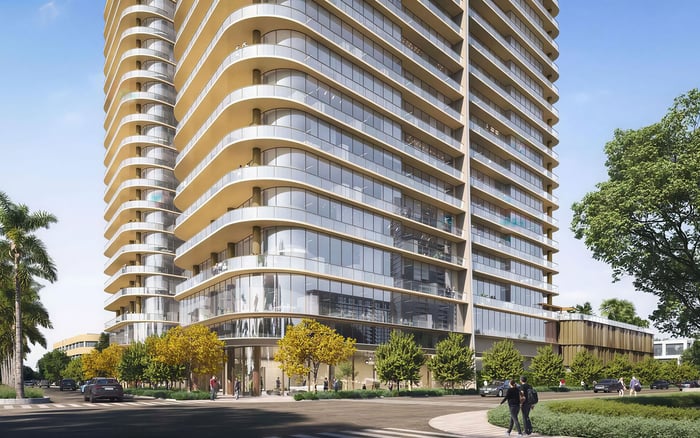
A buyer-focused examination of Kempinski Residences Miami Design District’s advertised wine cabinet, with the documentation needed to evaluate backup power, delivery handling, environmental monitoring, and contractual responsibility.
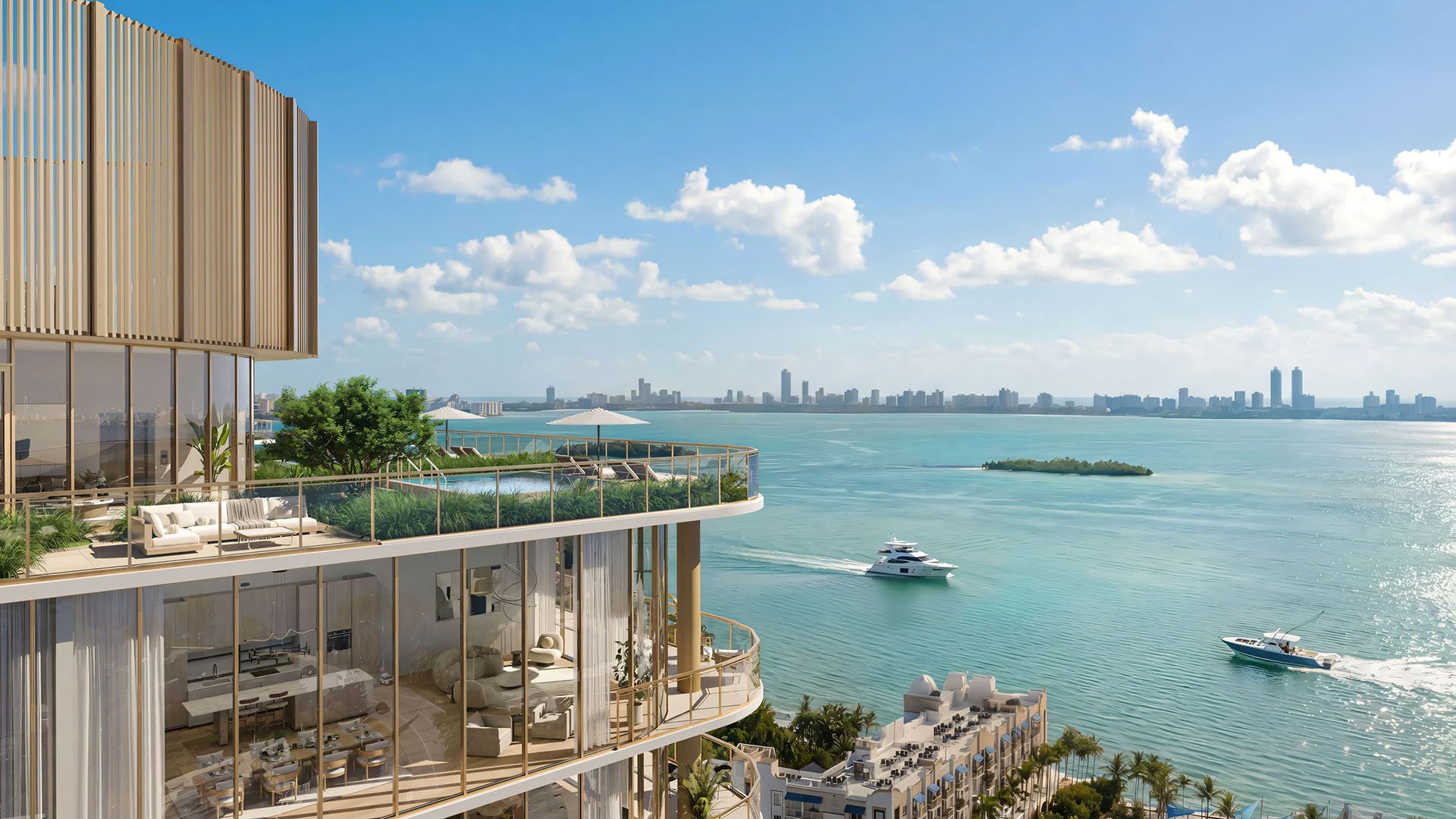
For a collector, luxury is not simply having wine close at hand. It is knowing what happens between delivery, storage, and the next visit. At Kempinski Residences Miami Design District, the starting point is a specified 99-bottle wine climate cabinet. The due-diligence question is whether the surrounding infrastructure and operating commitments support the owner’s intended use.
The project is positioned at 3801 and 3883 Biscayne Boulevard, at the gateway to the Miami Design District. Its announced program comprises 132 private residences across two 20-story towers, plus six townhomes and 17 guest suites exclusively for sale to residents. Those details establish the residential setting, not a wine-care protocol.
The cabinet is presented as a kitchen feature, supporting an in-unit appliance interpretation rather than a managed communal cellar. Buyers should evaluate equipment, electrical coverage, receiving procedures, and records separately. Undisclosed procedures do not prove that a service is unavailable; they are matters to resolve before relying on it.
A stated bottle count is a useful starting specification, but it does not answer every storage question. The cabinet description does not establish a guaranteed temperature range, humidity-control capability, or humidity alarm threshold.
Request the exact manufacturer and model, along with the technical specification and warranty. Ask for usable capacity, supported temperature settings, humidity capabilities, alarm functions, and automatic-restart behavior after an interruption. Confirm whether the installed appliance will match the specification reviewed during the purchase process.
For a collection with different bottle formats, ask how the advertised capacity translates into the proposed arrangement. This is equipment-specific clarification, not a claim that the cabinet falls short.
The distinction is straightforward: an appliance specification describes equipment; a service commitment identifies who will act when something goes wrong. Neither should be inferred from the other. A buyer should understand both before making the cabinet part of a collection-care plan.
Emergency generators are among the project’s stated features, but their inclusion does not establish backup-power coverage for the in-unit wine cabinets. Nor does it identify the circuits or equipment served. Until cabinet-specific electrical documentation is provided, generator-backed wine storage remains unconfirmed.
The useful question is not simply whether the building has a generator. It is whether the cabinet’s circuit appears on the generator load schedule and falls within the transfer-switch coverage. Obtain the electrical diagram and a written explanation of the intended operating arrangement.
Then ask for transfer time, minimum backup duration, fuel autonomy, testing procedures, maintenance responsibility, and outage-notification protocols. The stated generator feature establishes none of those details.
A buyer considering The Residences at 1428 Brickell alongside Kempinski can apply the same circuit-level questions without assuming equivalent coverage. The comparison should turn on documented electrical performance, not the presence of a generator in an amenity description.
A mail and package room is separately listed for Kempinski. That feature alone does not establish that staff accept wine shipments, inspect deliveries, verify recipients, or transfer bottles into a resident’s cabinet. Alcohol-delivery hours, refrigerated receiving, chain-of-custody procedures, and notification rules also remain unconfirmed.
Request an operating policy that follows a shipment from arrival to release. It should address permitted delivery windows, signature requirements, staff responsibilities, any refrigerated holding provisions, and what happens when the resident is absent or cannot be reached.
Ask whether staff are authorized to move bottles into the residence and, if so, under what conditions. Permission to accept a package and permission to enter a home are separate issues requiring separate answers.
For valuable shipments, request sample receipt-and-release records. Ask whether shipment photographs, condition observations, recipient verification, and proof-of-delivery archives will be maintained. Bottle-level inventories and temperature records for incoming wine are not established. Buyers should neither presume those controls exist nor assume an ordinary package-room record provides them.
Environmental monitoring is most useful when the owner understands both the information available and the response it can trigger. Continuous temperature or humidity recording, remote monitoring, and a cabinet-specific data-retention policy are not confirmed for Kempinski. Environmental-alarm recipients, staff entry authorization, and intervention response times are likewise unresolved.
Request sensor locations, calibration frequency, logging intervals, and alarm thresholds. Clarify whether readings can be accessed remotely, exported by the owner, or retrieved after an incident. Ask how long records will be retained and who controls access.
Then move from data to action. Identify the primary alarm recipient, escalation contacts, and the person authorized to respond while the owner is away. Obtain residence-entry permissions and any response commitments in writing.
For buyers also evaluating Four Seasons Residences Coconut Grove, this offers a comparable framework without implying any particular wine-monitoring service at that property. The questions remain the same: what is measured, who sees it, and who may intervene? Monitoring should not be treated as a staffed protection service unless that responsibility is expressly defined.
The project’s plans, specifications, amenities, services, and features are described as conceptual and subject to change without notice. That makes the distinction between an advertised feature and an executed commitment particularly important.
Have counsel review how the cabinet specification and any associated services appear in the purchase and condominium documents. Where promises matter to the buying decision, ask how they are incorporated and what governs a substitution or change.
Address responsibility separately for appliance maintenance, generator maintenance, package handling, monitoring, and incident response. Request clarity on spoilage, breakage, theft, misdelivery, and loss of climate control, including any applicable limitations. The existence of a cabinet does not establish who bears those risks.
A disciplined purchase file should distinguish confirmed obligations from requested services and unresolved questions. It should also identify the party responsible for each answer, rather than treating the residential brand as a substitute for operational detail.
The deciding question is not simply whether the cabinet is attractive or convenient. It is whether the documented arrangement suits the collection and the owner’s pattern of use. Prioritize written equipment specifications, cabinet-specific backup coverage, delivery rules, monitoring records, and responsibility for intervention.
If an element remains unresolved, treat it as an open purchase question rather than an implied service. That preserves the appeal of the residence while keeping expectations precise.
For a discreet conversation about aligning residential choices with collection-care priorities, connect with MILLION.
If branded residences are on your mind — as a home or as an allocation — we would be glad to share what we are seeing, privately.
Begin a quiet conversationThe project is positioned at 3801 and 3883 Biscayne Boulevard, at the gateway to the Miami Design District.
The announced program includes 132 private residences across two 20-story towers, six townhomes, and 17 guest suites exclusively for sale to residents.
A 99-bottle wine climate cabinet is listed among residence features. Its kitchen placement supports an in-unit appliance interpretation, not a managed communal storage service.
No cabinet-specific backup coverage is established. Request the electrical diagram, generator load schedule, and transfer-switch coverage before relying on uninterrupted power.
No. A package-room listing does not confirm wine acceptance, inspection, recipient verification, refrigerated holding, or transfer into residents’ cabinets.
Request the exact model, usable capacity, temperature range, humidity capabilities, alarm functions, automatic-restart behavior, and warranty in writing.
Continuous temperature or humidity recording, remote monitoring, and environmental-data retention are not confirmed. Ask for logging intervals, sensor calibration procedures, and record-access terms.
Alarm recipients, residence-entry authorization, and intervention response times are not established. Buyers should request written permissions and escalation responsibilities.
Request sample receipt-and-release records and clarification on shipment photographs, condition observations, recipient verification, and proof-of-delivery archives. Bottle-level inventories and incoming-wine temperature records are not established.
Have counsel review executed purchase and condominium documents for equipment and service commitments. Confirm responsibility for spoilage, breakage, theft, misdelivery, and loss of climate control.