An owner-focused review of the cybersecurity, access-control and resident-data questions to resolve at Kempinski Residences Miami Design District, with a clear distinction between disclosed plans and recommended diligence.
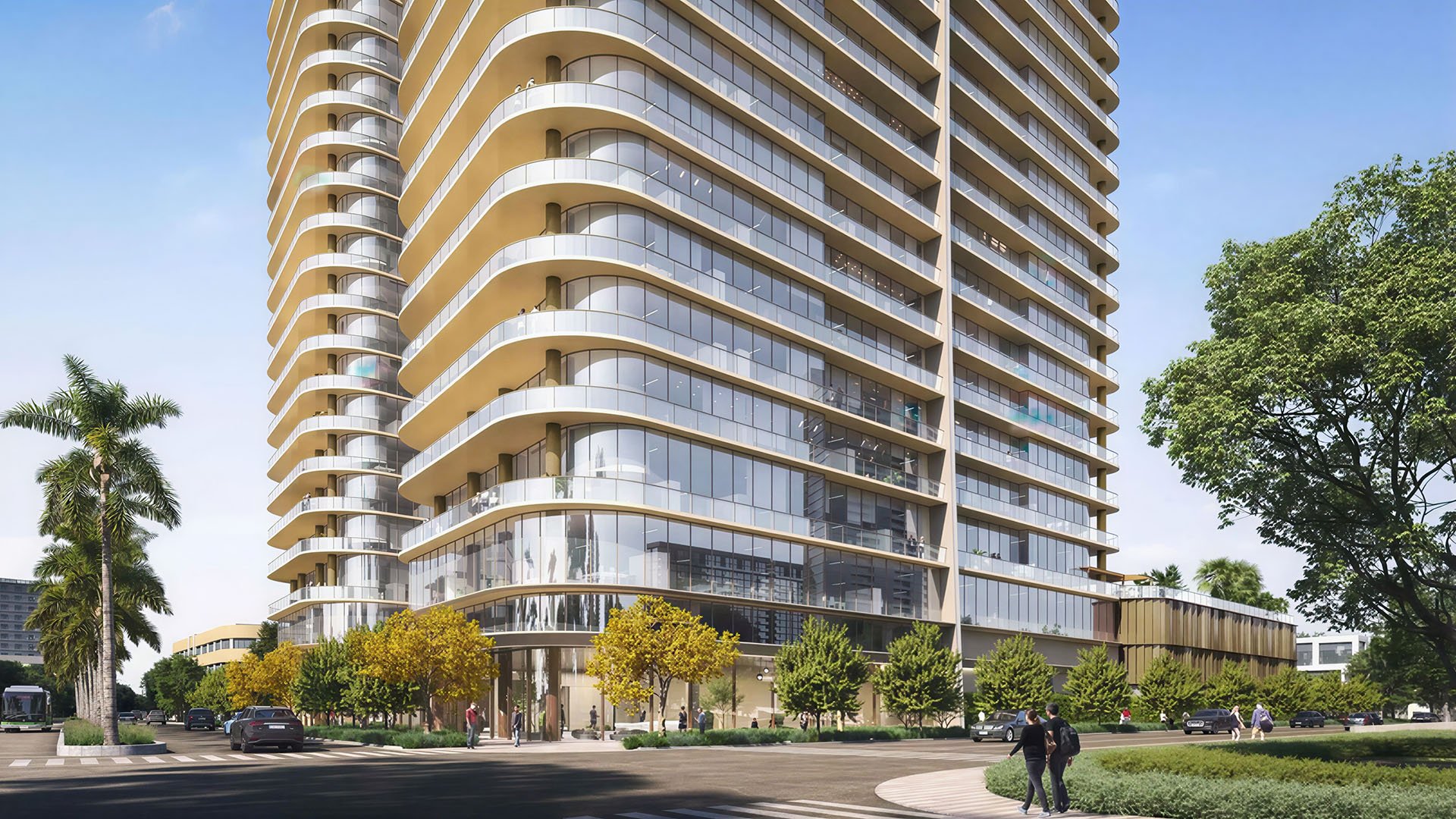
At Kempinski Residences Miami Design District, the ownership proposition includes two planned towers with 132 private residences, six townhomes and 17 guest suites reserved exclusively for residents. It is the first U.S. Kempinski-branded residential development. For a prospective owner, that introduction invites a quieter question: how will the building govern information about daily life?
The questions extend beyond who may enter. They concern who can review an arrival, retrieve a visitor record, export footage or preserve an incident file. Discretion should be assessed through documented responsibilities, not inferred from a brand name.
A building-specific cybersecurity framework and verified technical specification are not established in this review. That remains an open diligence matter, not evidence that controls or internal policies are absent.
The legal condominium developer is Biscayne Residences Holdings LLC, a Delaware limited liability company. That entity is distinct from DaGrosa Capital Development Partners, the identified development firm. Buyers should preserve that distinction when requesting commitments and reviewing contractual responsibilities.
The allocation of resident-data responsibilities among Kempinski, the association, property management, security contractors and technology vendors is not established here. Before closing or move-in, request a responsibility schedule identifying who authorizes collection, administers systems, handles resident inquiries and directs deletion or preservation.
For branded residences, the essential question is whether the service promise aligns with the operating agreements. A buyer also considering Four Seasons Residences Coconut Grove should apply the same accountability test, without assuming either property uses a particular system or assigns responsibility in the same way.
Ask for the relevant declarations, bylaws, rules, privacy notices and management agreements. Read them together to establish authority over surveillance, guest screening, data sharing and security-record disclosure.
No access-control manufacturer or security integrator is confirmed in this review. Mobile credentials, keycards, license-plate recognition, facial recognition and fingerprint readers are not confirmed planned access methods. Buyers should not treat any of them as included features.
Request an access-system architecture summary and a credential schedule. These should explain proposed entry permissions, identify the parties responsible for administration and describe how access would change when a household's circumstances change. Seek an owner-facing explanation, not unrestricted technical details that could compromise security.
Credential revocation deserves particular attention. Ask how access would be withdrawn for departing residents, employees and contractors, who could authorize that action and how completion would be documented. If temporary guest permissions are proposed, request their expiration and renewal rules.
The 17 planned resident-exclusive guest suites make guest-access governance a concrete operating question. Their inclusion does not establish any particular screening technology or data practice; it gives buyers a specific scenario to address.
An access event and a video recording should be reviewed as distinct record categories. Neither a video-management platform nor a surveillance-footage retention period is confirmed in this review. Retention windows for door-entry events, elevator access records and garage records also remain unconfirmed here.
Request a category-by-category schedule showing what would be collected, why it would be retained, who could view or export it and when routine deletion would occur. Ask separately about footage and access events rather than accepting a blanket statement that security records are kept for an appropriate period.
The schedule should also explain preservation exceptions. If material is retained for an incident, dispute or other documented reason, ask who approves the exception, how its scope is limited and when the need for continued retention is reviewed.
This approach is equally useful when evaluating Cipriani Residences Brickell alongside a Design District purchase. Compare the clarity of each property's answers rather than attempting an unsupported ranking of their security systems.
Visitor logs, package-room records and concierge notes warrant separate scrutiny. No retention periods for these categories are confirmed in this review. Do not assume a security policy alone explains their treatment.
Ask management to distinguish service preferences from access permissions and incident records. Clarify which staff roles and vendors could see each category, whether information would move between systems and which agreement governs that exchange.
For vendor-held information, request the relevant data-processing terms. Review authorized use, vendor access, return or deletion when a contract ends, and the treatment of retained copies. These are recommended diligence subjects, not confirmed contractual provisions.
Do not assume residents have an unrestricted right to erase every record. Instead, request a written process explaining how deletion requests would be evaluated, who would respond and what preservation obligations or exceptions could affect the outcome.
A useful cybersecurity review calls for an independent security-assessment summary, incident-response procedures and a clear allocation of resident-notification responsibilities. Ask how identified issues would be assigned for remediation and who would verify completion. None of these measures is confirmed here as a project feature.
If biometric access is proposed, broaden the inquiry before enrollment. Ask about non-biometric alternatives, enrollment notices, biometric templates versus raw-image storage, encryption, vendor access and deletion procedures. Do not describe facial recognition or fingerprint access as planned without further confirmation.
Legal review should also be entity-specific. Ask Florida counsel to determine which data-security and breach-notification duties apply to each entity and the information it handles, rather than assuming identical obligations for the association and every service provider.
Counsel should also clarify the boundaries of condominium-records disclosure, including the treatment of personal information and electronic security measures. An owner's diligence request should not presume unrestricted access to security records.
The strongest ownership brief is a compact set of written answers: an access-control and privacy schedule, separate retention and deletion rules, vendor responsibilities, credential-revocation procedures and incident-response contacts. Where a decision remains pending, ask who is responsible for it and when the policy will be available for review.
For this project, the distinction is straightforward. The residential program and legal developer are identified; the detailed operating framework for resident data is not established in this review. Buyers can recognize the appeal of the planned address while reserving judgment on controls that require documentation.
A discreet residential experience should make those responsibilities clear without exposing sensitive security architecture. That is the practical standard for an owner-operations review.
For a considered approach to South Florida ownership, explore MILLION.
If branded residences are on your mind — as a home or as an allocation — we would be glad to share what we are seeing, privately.
Begin a quiet conversationThe project is planned as two towers with 132 private residences, six townhomes and 17 guest suites reserved exclusively for residents.
Biscayne Residences Holdings LLC, a Delaware limited liability company, is the legal condominium developer. It is distinct from DaGrosa Capital Development Partners, the identified development firm.
No access-control manufacturer or security integrator is confirmed in this review. That does not establish that no vendor has been selected internally.
Mobile credentials, keycards, license-plate recognition, facial recognition and fingerprint readers are not confirmed here as planned access methods.
No surveillance-footage retention period is established in this review. Buyers should request a written schedule covering routine deletion and preservation exceptions.
This review does not establish retention periods for door-entry events, elevator access, garage records, visitor logs, package-room records or concierge notes. These categories should be addressed separately in diligence.
The allocation of responsibility among Kempinski, the association, property management, security contractors and technology vendors is not established here. Buyers should request a written responsibility schedule.
Request an owner-appropriate architecture summary, an independent security-assessment summary, incident-response procedures and notification responsibilities. These are diligence recommendations, not confirmed project features.
No; ask Florida counsel to assess the current law, relevant entity definitions and information handled. The review should distinguish the association's responsibilities from those of service providers.
Ask about non-biometric alternatives, enrollment notices, template versus raw-image storage, encryption, vendor access and deletion procedures. Biometric access is not confirmed for this project.