A discreet buyer-focused guide to evaluating visitor screening, guest access, vendor controls, and privacy standards at ultra-luxury residences in Miami Beach.
In Miami Beach, security at the top of the residential market is no longer measured by how visible it appears. It is measured by how seamlessly it protects privacy, controls access, and preserves the calm of a resort-caliber arrival. For owners, family offices, household staff, and frequent guests, the strongest visitor screening protocols are both rigorous and gracious. They confirm who belongs on the property without turning every arrival into a performance.
That distinction matters. Ultra-luxury residences are not conventional apartment buildings with finer lobbies. They are private environments where residents may host family, advisors, stylists, chefs, medical professionals, trainers, art handlers, yacht crews, and security personnel of their own. A sophisticated building must recognize those different visitor profiles and apply the appropriate level of screening to each, without exposing residents to unnecessary attention.
For buyers, the question is not simply whether a residence has security. It is whether the building’s policies, staffing culture, technology, and governance align with the way the owner actually lives.
A strong screening protocol begins before a guest reaches the front desk. Residents should be able to authorize visitors in advance, define the time and nature of the visit, and limit access to the appropriate destination. A dinner guest, a housekeeping supervisor, a private chef, and a contractor should not all move through the building under the same assumptions.
The first layer is identity confirmation. The second is permission. The third is movement control. In a premier residence, those layers should feel coordinated from the porte cochere to the lobby, elevator, amenity level, service corridor, and parking area. When they are not coordinated, privacy gaps appear in small ways: a guest is waved through without confirmation, a vendor waits in a public-facing area, or an elevator grants broader access than intended.
For the ultra-premium buyer, the ideal system is firm but never theatrical. Staff should be trained to be calm, observant, and consistent. The tone should be closer to a private club than a checkpoint.
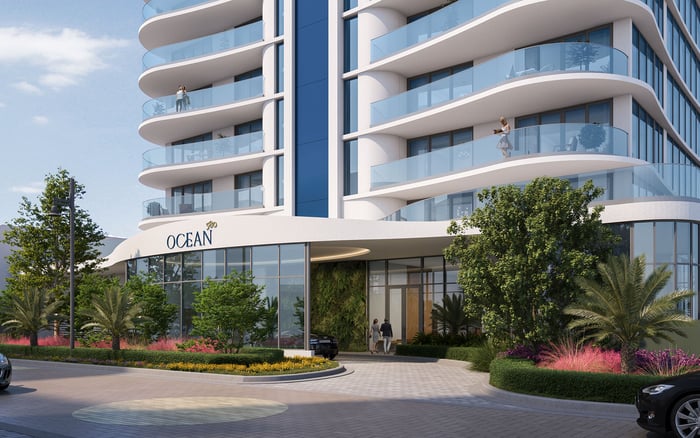
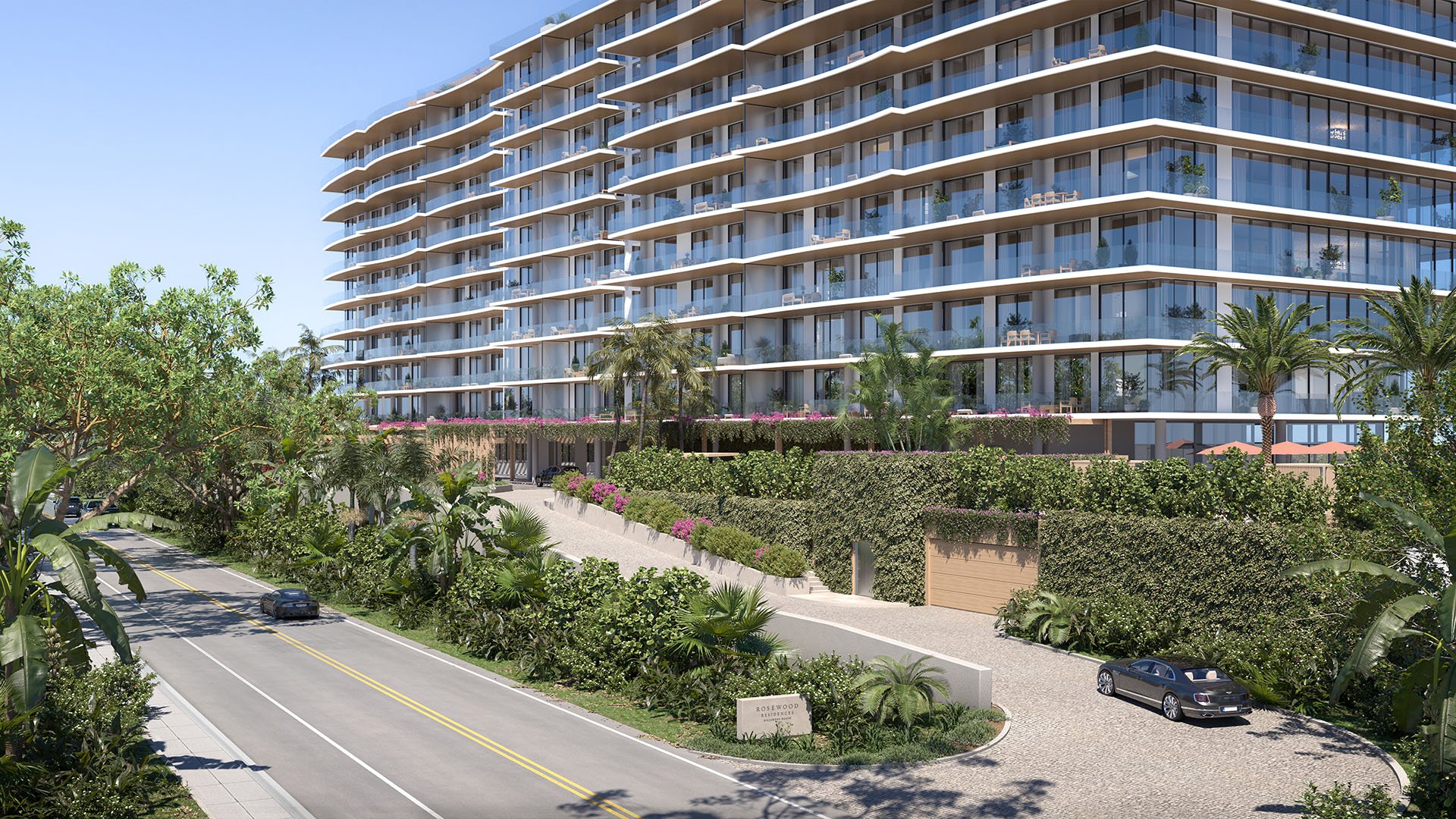
The visitor experience begins at the property edge. In Miami Beach, where residences often balance oceanfront prestige, valet flow, and discreet street presence, arrival design can either strengthen security or complicate it. A clear sequence reduces ambiguity: vehicle approach, greeting, confirmation, destination assignment, elevator access, and departure.
The most refined buildings separate resident arrivals, guest arrivals, service entries, deliveries, and commercial activity. This is not only about safety. It is about preserving the emotional value of the home. A buyer choosing a penthouse expects a different rhythm than a short-term hotel guest. A resident stepping out to the pool should not experience the building as a public passageway. Someone entering with pets, luggage, flowers, or wardrobe cases should be directed with quiet competence.
These details become especially important for owners who entertain frequently. A formal dinner, philanthropic gathering, or family weekend can produce a surge of visitors. The building should have a process for guest lists, host confirmation, valet coordination, and event-related staffing so increased activity does not compromise privacy.
In the ultra-luxury segment, the most sensitive screening questions often involve recurring non-resident access. Private chefs, assistants, drivers, housekeepers, wellness practitioners, and maintenance personnel may visit regularly. A building should have a clear method for distinguishing approved recurring visitors from one-time guests.
Buyers should ask how access is granted, modified, and revoked. If a household staff member changes employment, can access be removed immediately? If a vendor is approved for one residence, does that approval extend anywhere else? If a delivery arrives outside expected hours, who confirms it? These are not minor administrative details. They determine whether a residence can support a sophisticated household without friction.
Contractor access deserves particular attention. Renovations, art installations, millwork adjustments, AV work, and furnishing deliveries can bring multiple teams into a building. Screening should cover arrival windows, insurance requirements, service elevator use, loading areas, noise rules, and supervision expectations. The goal is to protect both the owner’s residence and the quiet enjoyment of neighboring homes.
Digital access tools can improve convenience, but they should never become the entire protocol. Visitor management platforms, credentialed elevator access, license plate recognition, and pre-arrival notifications may all play a role in modern buildings. Yet technology is only as strong as the policies behind it and the people applying it.
A truly elevated system allows for nuance. A resident may want a guest welcomed by name, a family member admitted without repeated questioning, or a sensitive visitor handled away from the main lobby. Conversely, a visitor with incomplete authorization should not be waved through because the lobby is busy or the person appears familiar.
Buyers should look for a building culture that treats information carefully. Guest names, schedules, unit numbers, and household routines are private. The most important security feature may be a staff trained to say little, record accurately, and escalate appropriately.
For many Miami Beach buyers, privacy is not an abstract preference. It is part of the purchase rationale. The same owner comparing Brickell convenience with Aventura scale may ultimately choose Miami Beach for a particular blend of waterfront presence, controlled access, and lifestyle discretion. In that context, visitor screening becomes an amenity as meaningful as a spa suite, private dining room, balcony depth, or attended beach service.
The best protocols also protect social ease. Residents should be able to host without feeling that friends are being interrogated. Guests should feel expected, not inspected. Security succeeds when it anticipates movement and removes awkwardness.
This is where governance matters. Rules should be written clearly and applied consistently. If exceptions are frequent, the protocol becomes personality-driven. If procedures are too rigid, the property can feel inhospitable. Ultra-luxury lives in the balance.
Before committing to a residence, buyers should review the building’s visitor policies with the same seriousness they bring to floor plans and finishes. Ask how guests are registered, whether identification is required, how visitor records are handled, and who can authorize access. Clarify whether access permissions can be customized by resident, visitor type, time window, or destination.
For buyers with household staff, ask how recurring access works. For collectors, ask how art handlers and insured deliveries are managed. For families, ask about nannies, tutors, relatives, and young adult children. For owners who travel often, ask how remote approvals are handled and how the residence is protected during extended absences.
A residence can be beautiful and still operationally mismatched. The most desirable buildings pair architecture with discipline. Their security protocols are not improvised. They are designed to support a life of movement, hosting, wellness, travel, and privacy without making the owner feel managed by the building.
What should visitor screening include at an ultra-luxury residence? It should include identity confirmation, resident authorization, destination control, and a clear record of entry and departure.
Should guests be pre-registered before arrival? Pre-registration is often the most discreet option because staff can welcome expected guests without unnecessary delay.
How should recurring household staff be handled? Recurring staff should have defined permissions that can be updated or revoked quickly when household needs change.
Are vendors treated differently from social guests? Yes, vendor access should usually include time windows, service routing, delivery rules, and any required building approvals.
What should buyers ask about elevator access? Buyers should ask whether elevators can limit guests to specific floors, amenity areas, or service zones.
How does visitor screening affect privacy? Proper screening reduces unnecessary exposure of names, routines, unit details, and household activity.
Can strong security still feel welcoming? Yes, the best protocols are calm, prepared, and hospitality-led rather than visibly severe.
Why does event access require special planning? Events create higher visitor volume, so guest lists, valet flow, staffing, and amenity access should be coordinated in advance.
Should buyers review security policies before closing? Yes, policies can materially affect daily convenience, household staffing, entertaining, and privacy expectations.
What is the ideal standard for Miami Beach residences? The ideal standard is controlled access that feels effortless, discreet, and aligned with the owner’s lifestyle.
For a tailored shortlist and next-step guidance, connect with MILLION.
If branded residences are on your mind — as a home or as an allocation — we would be glad to share what we are seeing, privately.
Begin a quiet conversation