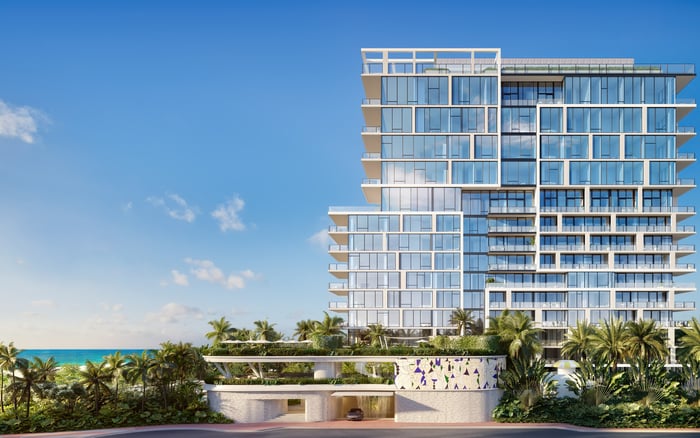
A practical, buyer-oriented guide to evaluating private-club residences in Miami Beach with discipline, focusing on governance, privacy, service, access, and long-term livability before the view becomes the deciding factor.
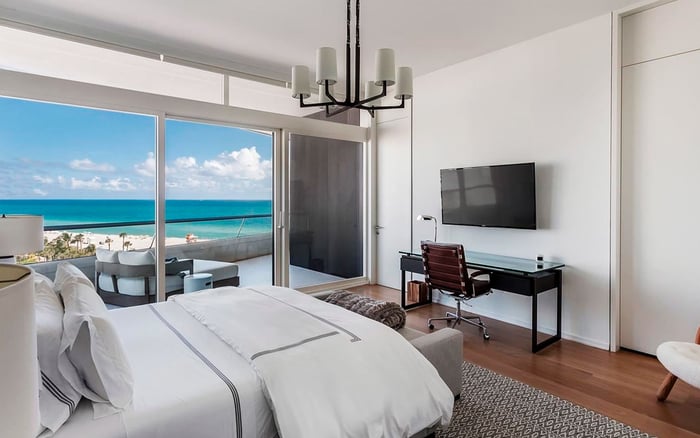
A private-club residence in Miami Beach is built to make the first impression feel effortless. The elevator opens, the water is framed, the terrace performs, and the decision can become emotional before it becomes analytical. That is precisely when a serious buyer should slow down.
The view matters. In many cases, it is why the residence entered consideration. But a view is a condition of beauty, not a complete ownership thesis. The more important question is whether the private-club structure, building culture, service model, access rules, and long-term governance support the life you expect to live there.
A buyer comparing Shore Club Private Collections Miami Beach with another coastal address should resist treating skyline or ocean exposure as the full value proposition. The sharper exercise is to ask what happens on an ordinary Tuesday morning, during a holiday weekend, after a late dinner, or when guests arrive with expectations of their own.
Private-club language can be deliberately seductive: access, discretion, privileges, preferred treatment, curated amenities. Those words become useful only when translated into obligations and limitations. Before you fall for the atmosphere, understand what membership means, who controls it, whether it is mandatory, whether it transfers, and how it interacts with condominium ownership.
Ask for clarity on initiation costs, recurring dues, guest privileges, use restrictions, reservation systems, family access, and termination provisions. If the club component is central to your purchase, it deserves the same scrutiny as a floor plan or closing statement. The most refined ownership experiences are often quiet because the rules have been considered in advance, not because rules are absent.
This is especially important in Miami Beach, where social spaces can carry as much perceived value as private square footage. A residence may feel generous during a showing, yet become constrained if club access is narrower than expected or peak-season use is more competitive than the marketing mood suggests.
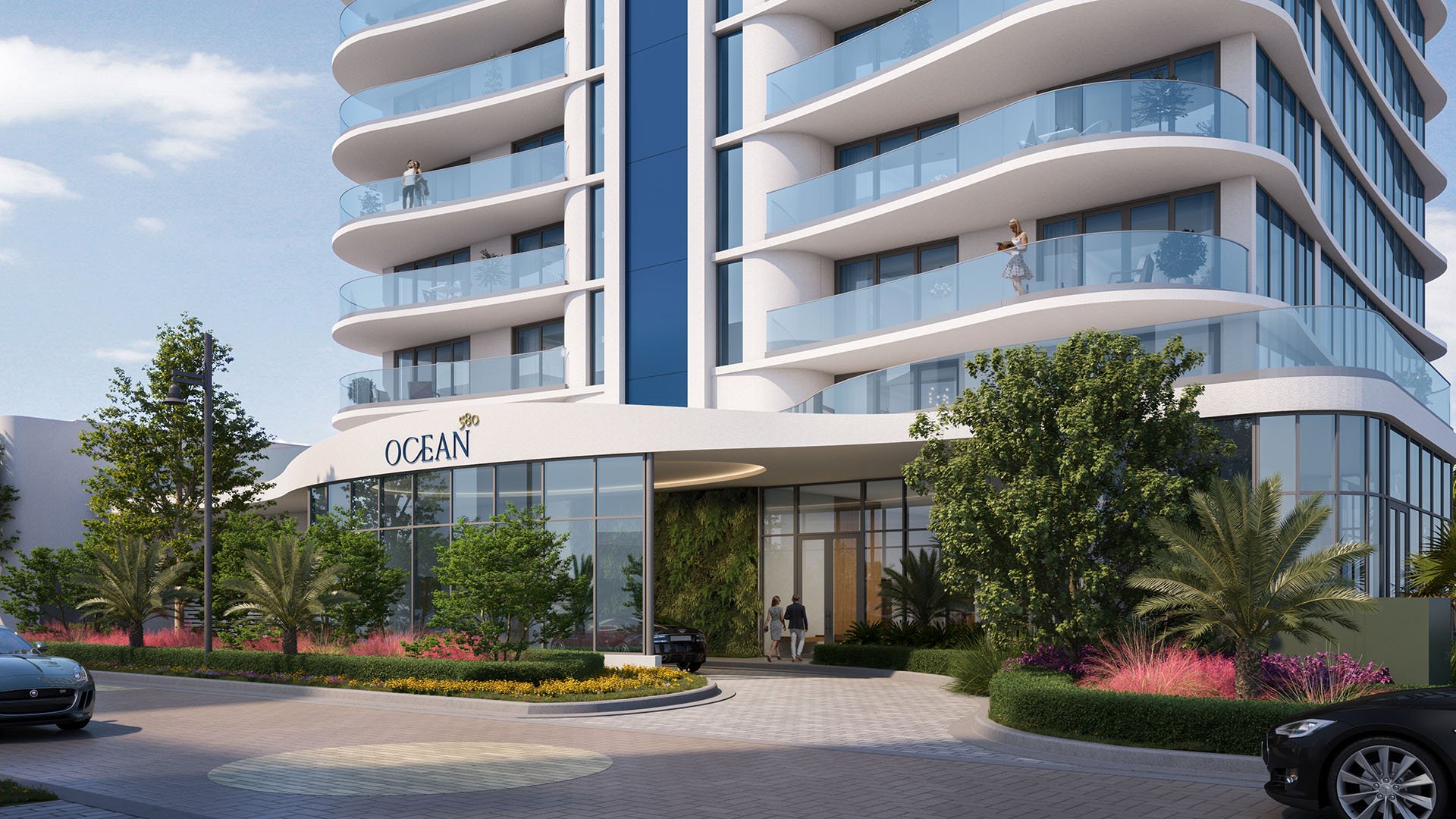
Exclusivity is often visible. Privacy is usually operational. A gated arrival, controlled lobby, or low-profile porte cochere may set the tone, but the daily experience depends on circulation, staffing, guest management, elevator strategy, valet flow, service corridors, and how residents are protected from hospitality traffic.
When touring a private-club residence, watch how people move. Can residents reach their homes without crossing active social zones? Are amenity areas layered so owners can choose visibility or withdrawal? Does the arrival sequence feel calm at different times of day? A building may be glamorous and still feel overexposed if its private and shared functions are poorly separated.
At The Perigon Miami Beach, as with any serious Miami Beach consideration, the buyer’s task is not to admire the first impression alone. It is to study the thresholds between public energy, resident amenity, and personal sanctuary.
Amenities photograph beautifully. Service determines whether they matter. A private dining room, wellness suite, pool deck, or residents’ lounge has little value if access is difficult, staffing is inconsistent, or the reservation experience feels transactional. The best private-club residences should make ownership feel lighter, not more scheduled.
Ask how requests are handled, who is accountable, and whether service standards are embedded in building operations or merely attached to a brand narrative. Consider the difference between amenities that require constant planning and amenities that quietly support daily life. The latter often proves more valuable over time.
For a buyer weighing The Ritz-Carlton Residences® Miami Beach, the relevant question is not whether the name feels reassuring. It is whether the service culture, staffing model, and resident experience align with the way you actually live, host, travel, and return.
A sunset tour is useful, but it is rarely enough. Visit in the morning, late afternoon, evening, and, if possible, a weekend window when arrival patterns and amenity demand may be more visible. Listen for mechanical noise, hallway sound, street activity, pool-deck spillover, and elevator cadence. The most expensive surprises in luxury real estate are not always financial; sometimes they are sensory.
A high-value private-club residence should feel composed across multiple conditions. The terrace should be beautiful, but the bedroom should also be restful. The living room should frame the water, but the kitchen, closets, service areas, and circulation should support the owner’s routines. A view can compensate for many things during a showing. It compensates for fewer things after six months of ownership.
In your private search notes, classify priorities plainly: Miami Beach, Oceanfront, Beach-access, Waterview, New-construction, Exclusive-area. The labels matter less than the discipline they create. They force the conversation back to use, access, and fit.
Private-club residences can feel highly personal, but resale is rarely sentimental. The next buyer will ask many of the same questions you should ask now: Is the club structure attractive or burdensome? Are carrying costs legible? Are guest privileges intuitive? Is the building culture harmonious? Does the residence appeal beyond one spectacular angle?
Floor plan quality is critical. Deep terraces, awkward bedrooms, limited storage, or compromised service access can be disguised by a dramatic view but exposed during resale. Similarly, a building that feels overly dependent on one amenity trend may age less gracefully than one with flexible, quietly excellent spaces.
When comparing a residence at Setai Residences Miami Beach with a newer alternative, the better question is not simply which feels more current. It is which one has the more durable relationship among architecture, management, privacy, and buyer demand.
The right purchase should still be exciting. But by the time you are ready to proceed, the reasoning should feel composed. You should know what the club costs, how it is governed, how access works, what privacy really means, where service begins and ends, and whether the view is supported by an equally persuasive ownership structure.
In the ultra-premium tier, restraint is a form of intelligence. Let the view earn its place in the decision rather than allowing it to dominate the conversation. The residence that endures is not necessarily the one that photographs best on the first tour. It is the one that continues to feel considered after the door closes, the guests leave, and the horizon becomes part of everyday life.
What is the first thing to review in a private-club residence? Review the club documents and ownership obligations before focusing on the view or finishes.
Are club dues as important as condominium fees? Yes. Dues, initiation costs, and use rules can materially affect both lifestyle and resale appeal.
Should I tour at more than one time of day? Yes. Multiple visits help reveal noise, arrival flow, light, privacy, and amenity demand.
How do I know if privacy is real? Study circulation, elevator access, guest procedures, service routes, and the separation of social spaces.
Can a spectacular view hide weaknesses? It can. A strong view may distract from floor plan issues, service limits, or restrictive club rules.
What matters most for long-term livability? Governance, service consistency, privacy, storage, access, and daily convenience often matter most.
Is brand affiliation enough to justify a purchase? No. A brand may signal intent, but the actual documents and operations determine the experience.
How should guests be evaluated? Confirm guest access, reservation rights, family privileges, and any limitations before purchasing.
What should I compare between buildings? Compare governance, carrying costs, amenity access, staffing, floor plans, and resident-only privacy.
When should the view become decisive? Only after the residence, club structure, service model, and resale logic already make sense.
For a discreet conversation and a curated building-by-building shortlist, connect with MILLION.
If branded residences are on your mind — as a home or as an allocation — we would be glad to share what we are seeing, privately.
Begin a quiet conversation