A discreet due-diligence framework for assessing physical security, visitor controls, digital privacy, staffing, and emergency procedures before purchasing at Shoma Bay.
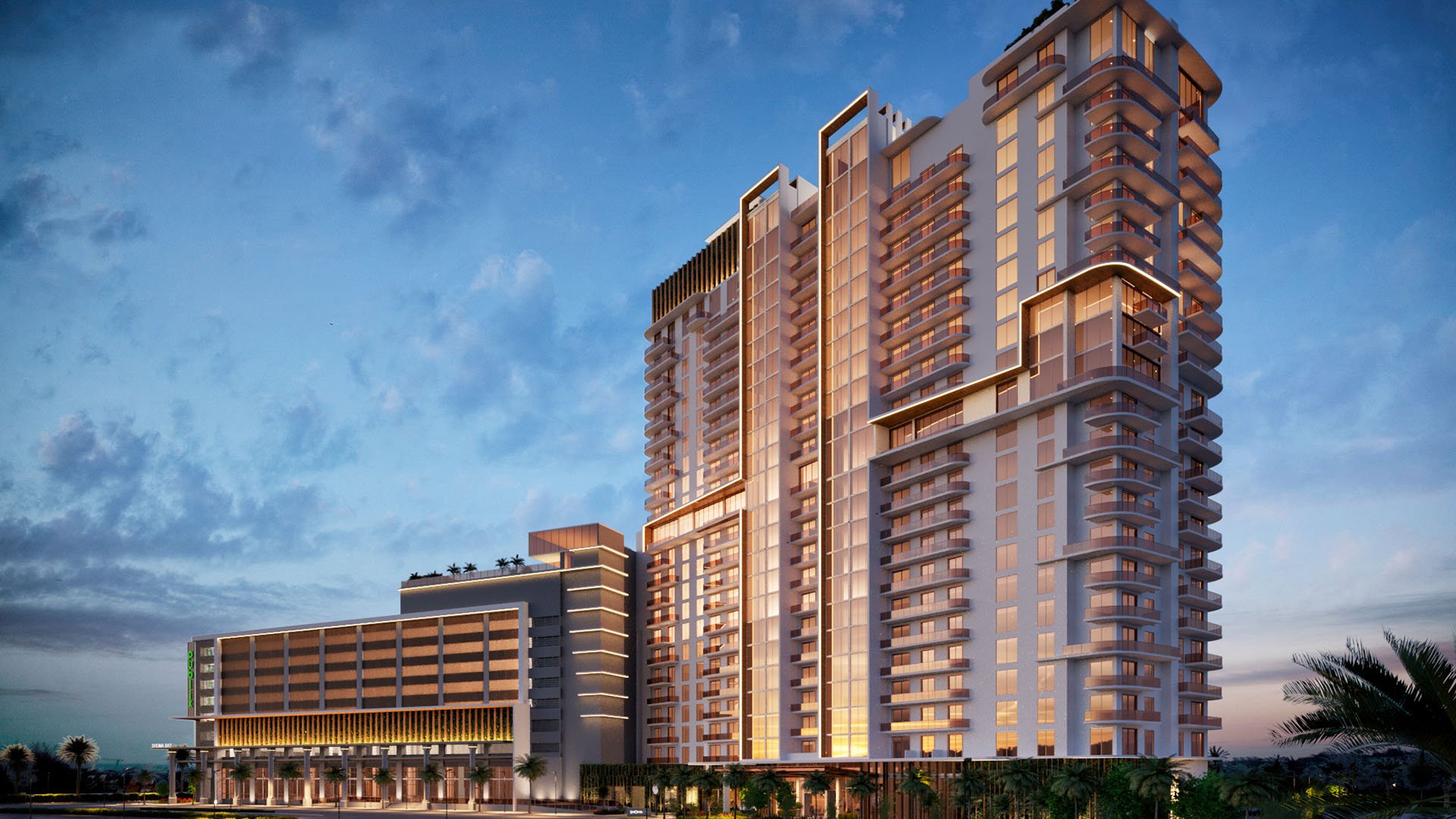
For privacy-focused buyers, security is not a single amenity or a polished arrival experience. It is an operating system shaped by people, technology, architecture, policies, and judgment. At Shoma Bay North Bay Village, prospective purchasers should look beyond broad assurances and examine how daily access is actually controlled.
The objective is not to obtain sensitive operational details. It is to determine whether the building’s procedures align with the buyer’s risk profile, household routines, public visibility, and expectations of discretion. A principal residence, second home, and investment property may each require a different balance of convenience and control.
Begin by identifying every route through which a person, package, vehicle, or service provider could enter. Ask how residents are authenticated at pedestrian entrances, parking areas, elevators, amenity spaces, and residential floors. Clarify whether credentials are physical, digital, biometric, or managed through another system-without requesting information that could compromise security.
Visitor handling deserves equal scrutiny. Buyers should ask who may authorize a guest, whether approvals can be restricted by time and destination, and what happens when an unexpected visitor arrives. The same review should encompass household staff, brokers, contractors, pet-care providers, drivers, and recurring vendors.
Delivery procedures can reveal the practical strength of a security plan. Ask where couriers stop, who accepts packages, how oversized or high-value deliveries are managed, and whether delivery personnel ever enter residential circulation areas. Privacy can erode quickly when convenience creates informal exceptions.
A responsible buyer can evaluate surveillance governance without requesting camera locations, blind spots, or technical schematics. Appropriate questions address who monitors the systems, whether monitoring is continuous or event-driven, how incidents are escalated, and which parties may retrieve recordings.
Data retention is as important as camera presence. Ask how long video, access logs, visitor records, vehicle information, and digital credentials are retained. Determine who may review that material, how access is documented, and which process applies when a resident requests information after an incident. Buyers should also ask whether third-party vendors store or process building data.
These questions are particularly relevant across the broader waterfront market, where residents may move between vehicles, lobbies, shared amenities, and marine-facing spaces. Buyers comparing North Bay Village options may also assess Continuum Club & Residences North Bay Village and Tula Residences North Bay Village through the same disciplined lens.
Technology cannot substitute for trained, accountable personnel. Ask which roles are staffed, how responsibilities differ among front-desk, valet, management, and security teams, and who holds authority during an incident. Rather than focusing solely on headcount, examine supervision, escalation procedures, shift handoffs, and confidentiality expectations.
Discretion should be an operational standard. Buyers with recognizable names, family offices, security details, or frequent guests may wish to ask how resident information is shared internally. Clarify whether staff are trained not to announce names, residence numbers, travel schedules, or guest identities in public-facing areas.
Also ask how exceptions are approved. A protocol is only as reliable as its busiest evening, newest employee, or most persuasive visitor. The strongest answer will describe a consistent chain of authorization rather than a reliance on familiarity.
Security due diligence should extend beyond unauthorized access. Ask how management communicates during fire alarms, severe weather, power interruptions, medical events, elevator disruptions, or building-system outages. Determine whether residents can receive alerts through multiple channels and how household staff or authorized representatives are included.
For new-construction purchases, buyers should distinguish between planned procedures and those already documented, staffed, tested, and operational. Request the current materials appropriate to the transaction stage, then confirm what may change before occupancy. Material expectations should not rest solely on a conversation in a sales setting.
Privacy is personal. One buyer may prioritize anonymous arrivals; another may care more about controlled vendor access or the handling of digital records. Families may focus on caregivers and minors. Executives may need protocols for assistants and drivers. Collectors may have concerns about large deliveries, while frequent travelers may require remote authorization and rapid incident notification.
Location comparisons can sharpen the analysis. A purchaser also considering The Well Bay Harbor Islands or a residence in Miami Beach should ask the same core questions, then compare the clarity of the answers rather than assume every luxury property defines privacy identically.
Before committing, ask for the governing documents, resident policies, technology terms, privacy notices, and any available descriptions of access procedures that may properly be shared. Review what management may amend, what the association controls, and what depends on third-party providers.
If a protocol materially affects the purchase decision, request written clarification through the appropriate transaction professionals. Buyers should also investigate costs associated with credentials, replacement devices, private elevator permissions, additional parking access, or enhanced services-without assuming any are included.
A sophisticated review does not seek guarantees that no incident will occur. It asks whether authority is clear, records are controlled, exceptions are disciplined, and communication is prompt. That is the more meaningful measure of security for a private residential lifestyle.
Does Shoma Bay publish every security procedure for buyers? Buyers should request the materials appropriately available to purchasers while recognizing that sensitive operational details may remain confidential.
What should I ask about resident access? Ask how credentials are issued, revoked, replaced, audited, and used across entrances, parking, elevators, amenities, and residential floors.
How should guest access be evaluated? Confirm who can authorize visitors, how long approval lasts, where guests may travel, and how unexpected arrivals are handled.
What matters most about delivery security? Review courier stopping points, package custody, resident notifications, oversized deliveries, and access to residential circulation areas.
Should I ask where every camera is located? No. Focus on governance, monitoring, retention, retrieval authority, and incident response rather than details that could expose vulnerabilities.
Who should have access to surveillance records? Ask management to identify authorized roles, approval procedures, access logging, retention periods, and any third-party involvement.
How can buyers assess staff discretion? Ask about confidentiality training, information-sharing rules, supervisory accountability, shift handoffs, and procedures for public-facing interactions.
What emergency questions belong in due diligence? Review alert channels, escalation authority, backup communications, evacuation guidance, medical response, and procedures during system outages.
Can security protocols change after purchase? They may evolve, so buyers should understand amendment authority and avoid treating preliminary descriptions as permanent guarantees.
Should material privacy expectations be documented? Yes. Important representations should be reviewed with appropriate legal and transaction advisers and confirmed in writing when possible.
For a confidential assessment and a building-by-building shortlist, connect with MILLION.
If branded residences are on your mind — as a home or as an allocation — we would be glad to share what we are seeing, privately.
Begin a quiet conversation