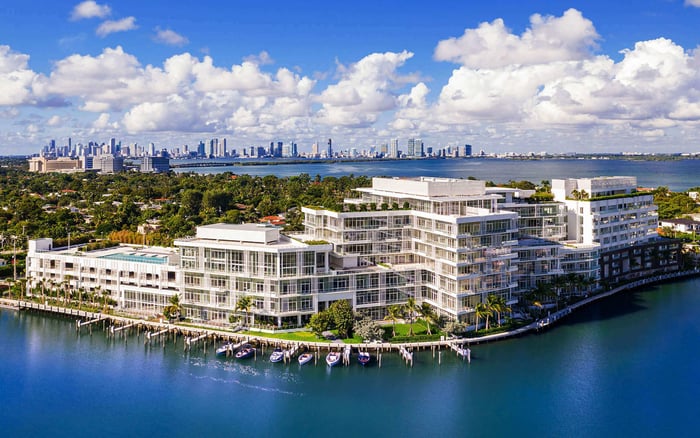
Seasonal buyers evaluating Shore Club should establish how waterfront access, staffing, guest credentials, cabana use, vacant-home care, parking and rental rules will work before signing.

For a seasonal buyer evaluating Shore Club Private Collections Miami Beach, the central task is to convert broad waterfront and hospitality language into a practical ownership plan. Before signing, determine who controls each access point, which services are included, when amenities operate and how owner priority is administered.
The review should distinguish marketing descriptions from rights established in governing documents, management agreements, operating rules and fee schedules. Written answers are especially important for an owner who may arrive during busy periods or leave the residence vacant for months.
Ask the sales team to demonstrate the full route from the residential arrival point to every waterfront amenity and access point. Identify each elevator, corridor, gate, credential check and staffed checkpoint, then confirm operating hours and after-hours procedures.
Clarify whether access language describes a controlled route, a reserved service area or another arrangement. Buyers should also ask how owners return from the waterfront when an amenity is closed, whether guests use the same route and what changes during private events or maintenance.
When comparing circulation with Setai Residences Miami Beach, follow the lived route rather than relying only on an amenity plan. The same review should cover accessibility, service interruptions and the process for replacing a lost credential.
Request written operating schedules for waterfront service, pool service, concierge, security and valet functions. Compare peak-period and off-season hours, and ask whether staffing levels or available services change during holidays, private events, maintenance periods or severe weather preparations.
Owner priority also requires definition. Determine whether priority applies through a dedicated queue, an advance booking window, reserved inventory or another procedure, and ask how conflicts are resolved.
If cabanas or reserved seating are relevant, establish whether access is assigned, licensed, reserved daily or subject to availability. Fees, cancellation deadlines, guest limits, charging authority and no-show rules should be documented.
Identify which services are included in regular ownership costs and which are à la carte or provided by third parties. Request current schedules for housekeeping, linen service, grocery stocking, in-residence dining, wellness appointments, package handling and other services a seasonal owner may expect to use.
A comparison with The Ritz-Carlton Residences® South Beach should use the same standard: examine the governing documents, management terms, adopted budget and service fees rather than assuming that similar hospitality language produces identical obligations.
Buyers should also ask what happens if a service provider, operating schedule or fee changes. The documents should identify decision-making authority, notice procedures and any owner approval rights that may apply.
Create separate operating plans for occupied and vacant periods. For occupied stays, confirm how family members, friends, household staff, vendors and other visitors are registered and whether unaccompanied guests need temporary credentials or an escort.
Guest permissions should address each relevant amenity and access point. Charging controls should specify who may sign for services, whether spending limits can be imposed, how charges appear on an owner account and when guest credentials expire.
Buyers comparing The Perigon Miami Beach can apply the same framework without assuming that guest policies or service structures are interchangeable.
For vacant periods, request a written inspection protocol addressing climate control, leaks, packages, vendor entry and storm preparation. Establish inspection frequency, reporting procedures, emergency authorization limits, key custody and all related fees.
Ask whether parking is assigned, valet-operated or otherwise controlled, and determine how residents, guests, vendors and household employees enter. Review peak-period procedures, vehicle limits, storage rules, charging availability and the response to service interruptions.
Rental flexibility should be verified directly in the governing documents. Confirm minimum lease terms, annual limits, approval procedures, fees, occupancy rules, permitted leaseholders and any restrictions affecting short stays or rental platforms. Do not infer rental rights from branding, hospitality services or waterfront positioning.
What should a buyer verify about waterfront access? Verify the complete controlled route, credential requirements, operating hours and after-hours procedures in writing.
Does controlled waterfront access mean the shoreline is private? Not necessarily. Buyers should determine precisely what area or service the access language covers and what rights the governing documents provide.
How should seasonal staffing be evaluated? Compare written schedules for peak periods, off-season operations, holidays, private events and maintenance windows.
What should buyers ask about cabanas or reserved seating? Ask how access is allocated, whether reservations are required and what fees, guest limits, cancellation rules and priority procedures apply.
Can unaccompanied guests use residential amenities? That depends on the applicable rules. Confirm registration, escort, credential, amenity and expiration requirements for each guest category.
How can an owner control guest charges? Request written procedures for charging privileges, spending limits, account review and credential deactivation.
Which services may involve additional fees? Buyers should request an itemized schedule distinguishing included services from à la carte and third-party offerings.
What should a vacant-home program cover? It should address inspection frequency, climate control, leaks, packages, vendor access, storm preparation and emergency authority.
How should parking rights be reviewed? Confirm the parking arrangement, vehicle limits, guest and vendor access, peak-period procedures and any separate charges.
How can a buyer verify rental flexibility? Review the governing documents for lease terms, annual limits, approvals, fees, occupancy rules and restrictions on short stays.
For a discreet conversation and a curated building-by-building shortlist, connect with MILLION.
If branded residences are on your mind — as a home or as an allocation — we would be glad to share what we are seeing, privately.
Begin a quiet conversation