A discreet due-diligence framework for buyers assessing physical security, operational discipline, digital privacy, visitor handling, parking access, and emergency planning at Origin Bay Harbor Islands.
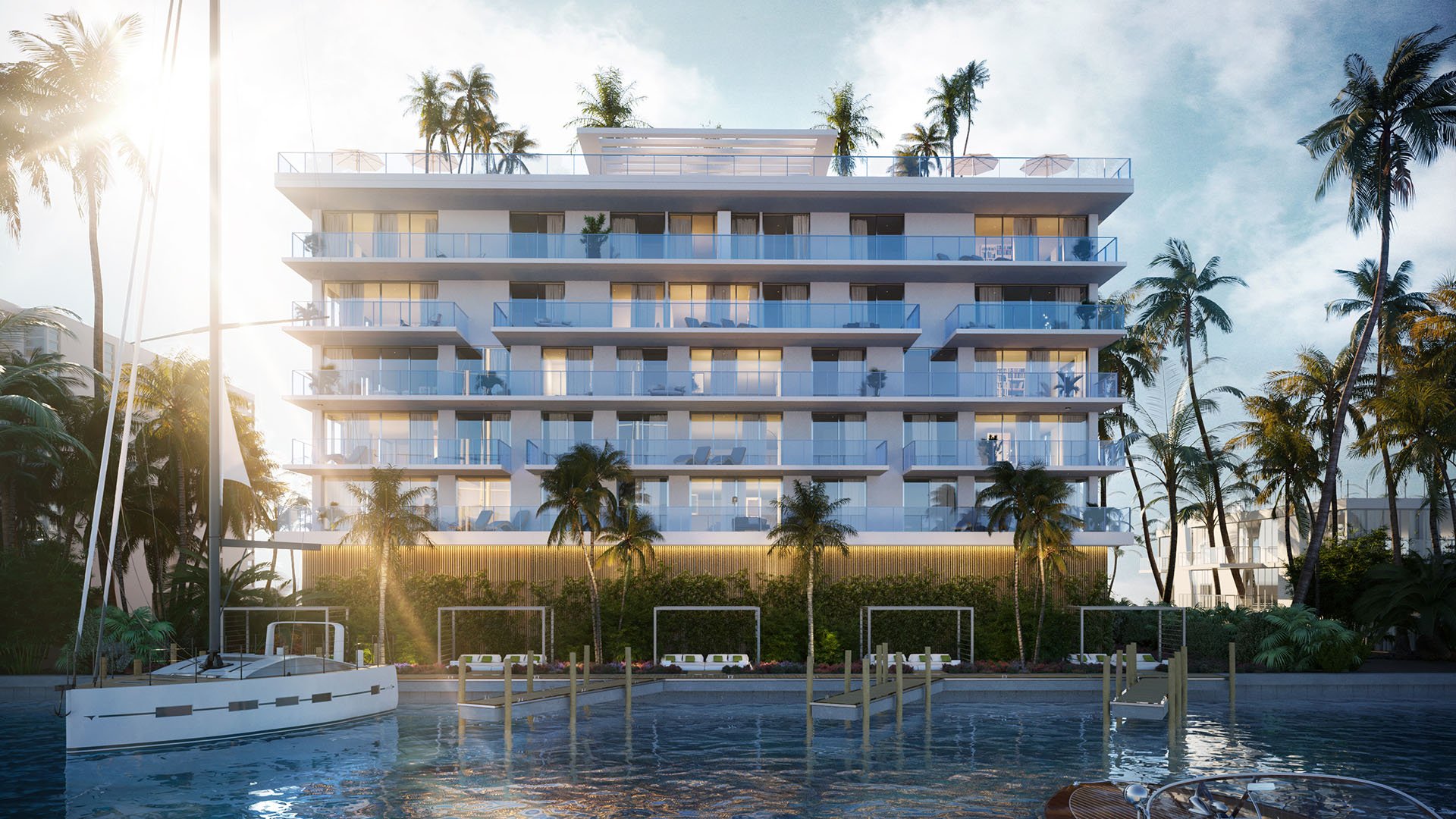
At Origin Bay Harbor Islands, a privacy-focused purchase should begin with a disciplined review of how the property is intended to function-not assumptions drawn from presentation materials. Security is most meaningful when architecture, staffing, resident behavior, technology, and management procedures operate as one coherent system.
That distinction matters for buyers who divide their time among several homes, travel with family or staff, receive frequent deliveries, or simply prefer a low public profile. Asking whether a building is “secure” is not enough. The more useful questions are who can enter, how exceptions are handled, what information is retained, and how consistently procedures will be enforced after turnover.
For buyers comparing Bay Harbor Islands with nearby Bal Harbour and Surfside, the same rigor should apply to every candidate. Boutique scale or new-construction status may shape expectations, but neither should replace written verification. This buyer’s guide provides a specific, discreet framework for the conversation.
Ask the sales team to trace every realistic route from the street to a residence. The review should encompass resident entry, pedestrian access, vehicle arrival, garage circulation, service access, amenity areas, stairwells, elevators, and any waterfront edge. The objective is to identify where credentials are required, where people may cross paths, and where staff intervention becomes necessary.
Request clarity on the proposed credential system and how it will be administered. Who issues and revokes credentials? Can permissions be restricted by time or destination? What happens when a phone, key, card, or device is lost? Buyers should also ask whether access events are logged, how long records are retained, and which parties may review them.
Elevator logic warrants separate scrutiny. Confirm whether residents, guests, vendors, and service personnel are intended to share the same circulation pattern. If destination controls or restricted floors are contemplated, request the operating sequence in writing rather than relying on a verbal description.
Daily privacy is often tested through ordinary activity. Ask how a dinner guest is authorized, how an unannounced visitor is handled, and whether residents are notified before access is granted. Procedures should also account for household employees, brokers, contractors, dog walkers, drivers, food delivery, packages, and recurring service providers.
The most revealing question is what happens beyond the ideal scenario. Can a resident create a standing guest list? How is identity verified when names do not match? Where does a delivery wait? Can a vendor reach a residential floor without an escort? Who documents exceptions, and who has authority to override the rule?
Buyers comparing local options such as Alana Bay Harbor Islands and Onda Bay Harbor can apply the same scenario-based questions. The purpose is not to presume that one property is more private, but to require each team to explain the resident experience with equal precision.
Technology cannot compensate for unclear responsibility. Ask which security and front-of-house roles are planned, whether coverage changes overnight, and who supervises each shift. Determine whether personnel are expected to be employed by the condominium, a management company, or a third-party contractor. That distinction may affect training, continuity, escalation, and access to resident information.
Request the proposed incident chain of command. A credible explanation should identify who receives an alert, who contacts a resident, who can call emergency services, and who prepares a written record. Buyers should also ask how personnel are trained to protect names, unit information, travel patterns, guest identities, and household routines.
These questions also belong in discussions about operating budgets. Privacy carries recurring costs, including personnel, credential administration, equipment maintenance, monitoring, training, and replacement reserves. Ask which assumptions underpin the projected service level and how that level could change through future association decisions.
Modern residential operations can collect sensitive information through access credentials, cameras, intercoms, building applications, package systems, Wi-Fi networks, license-plate tools, and visitor records. Do not assume these systems are planned at Origin Bay Harbor Islands. Instead, ask which technologies are proposed and request the relevant privacy and data-handling policies.
Key questions include who owns the data, where it is stored, which vendors can access it, how long it is retained, and what happens when a vendor relationship ends. Ask whether residents can limit app permissions, whether multifactor authentication is contemplated, and how management would notify owners of a breach.
The same review can guide a comparison with The Well Bay Harbor Islands. Different residential concepts may lead to different technology choices, so buyers should compare documented practices rather than broad promises.
Request the most current condominium documents, purchase agreement, rules, budget, management materials, plans, technology descriptions, and written responses from authorized representatives. Have qualified legal and security advisers determine which statements are binding, which remain conceptual, and which may be changed later.
Privacy-focused buyers should also model their own routines before committing. Consider family arrivals, staff access, vacant periods, vehicle handoffs, private events, medical visitors, contractors, and emergency entry. A polished protocol has value only if it works in the moments that matter most.
Does Origin Bay Harbor Islands have specific confirmed security features? Buyers should obtain current written confirmation from authorized project representatives and review the governing and management materials before relying on any feature.
What should I ask about building entry? Ask which entrances exist, which credentials each requires, how permissions are issued, and how lost or compromised credentials are revoked.
How should visitor access be evaluated? Walk through announced guests, unannounced visitors, recurring guests, and after-hours arrivals, including identity checks and resident notifications.
Why does elevator access matter? Elevator procedures can determine whether residents, guests, and service providers share circulation paths or receive different destination permissions.
What should I confirm about garage security? Ask about vehicle credentials, guest parking, pedestrian routes, gate failures, deliveries, valet procedures if applicable, and access from parking areas to residences.
Which staffing questions are most important? Confirm planned roles, hours, supervision, training, employer relationships, escalation authority, and responsibility for documenting incidents.
What digital privacy issues deserve review? Examine data collection, vendor access, storage, retention, authentication, breach notification, and the resident’s ability to control permissions.
Should I hire an independent security consultant? A qualified adviser can test proposed procedures against your household’s routines, risk profile, staffing needs, and travel patterns.
Can security procedures change after purchase? Operating practices and budgets may evolve, so counsel should identify what is binding and what management or the association may modify.
What documents should be reviewed before signing? Review the purchase agreement, condominium documents, rules, budgets, plans, management materials, and written answers to material security questions.
To compare the best-fit options with clarity, connect with MILLION.
If branded residences are on your mind — as a home or as an allocation — we would be glad to share what we are seeing, privately.
Begin a quiet conversation