A disciplined framework for deciding whether South Beach should serve as a primary residence or a second home, shaped around use, residency planning, carrying obligations and property fit.
For a San Francisco buyer, deciding whether South Beach should become a second home or a primary residence is less about choosing a label than designing a workable life. The decisive questions are how time, family, business, travel and personal administration will shape the way the residence is actually used.
Begin by writing two competing briefs. The primary-residence brief should describe an ordinary month lived largely in Miami Beach. The second-home brief should map a calendar divided between coasts, including arrival routines, absences and household oversight. If one version feels natural while the other demands repeated exceptions, the better choice is already becoming clearer.
Second-home planning should preserve flexibility. Primary-residence planning should support continuity. In either case, lifestyle preferences deserve the same scrutiny as financial and legal considerations.
Primary residence may be the more coherent choice when South Beach is intended to become the center of daily life rather than an occasional escape. Test that intention against work patterns, family obligations, healthcare relationships, travel frequency and the practical location of personal records and recurring commitments.
Residency should never be treated as a casual designation or inferred from a property purchase alone. San Francisco buyers should coordinate qualified legal and tax advice across relevant jurisdictions, then ensure their conduct, documentation and stated intentions align. The purpose is not to chase a simplified outcome, but to create a defensible, internally consistent arrangement.
The property itself must also perform as an everyday home. Storage, privacy, service expectations, parking, pet policies, guest patterns and spaces for working or entertaining may matter more in a primary residence than during shorter stays.
A second home can be the more elegant answer when professional, family or cultural ties continue to anchor substantial time in San Francisco. It allows South Beach to serve a defined role without forcing an immediate reorganization of every personal and administrative connection.
That flexibility still demands operating discipline. Decide who will oversee the residence during absences, how deliveries and maintenance will be handled, and whether the building's rules suit the expected rhythm of occupancy. Consider the friction of bi-coastal travel honestly. A beautiful property that is difficult to close, reopen or supervise may not deliver the ease its owner expects.
Oceanfront preferences should also be separated from operating requirements. A view may shape the emotional choice; building governance, insurance review and household logistics determine whether ownership remains comfortable.
The most effective search begins with a written brief shared among the buyer, advisers and real estate representative. Generic buyer's guides may provide prompts, but they cannot replace advice tailored to the household.
The brief should define intended nights of use, typical length of stay, guest expectations, work needs, vehicle arrangements, privacy thresholds and tolerance for active building management. It should also identify the documents and professional reviews required before a commitment, including condominium governance, budgets, insurance considerations, planned work and any restrictions relevant to the intended use.
Climate and insurance risk belong in this diligence process as property-specific questions. Buyers should seek current terms, review available building documentation and understand which responsibilities may sit with the association and which with the owner. Unsupported assumptions-whether optimistic or pessimistic-are not a sound basis for a luxury purchase.
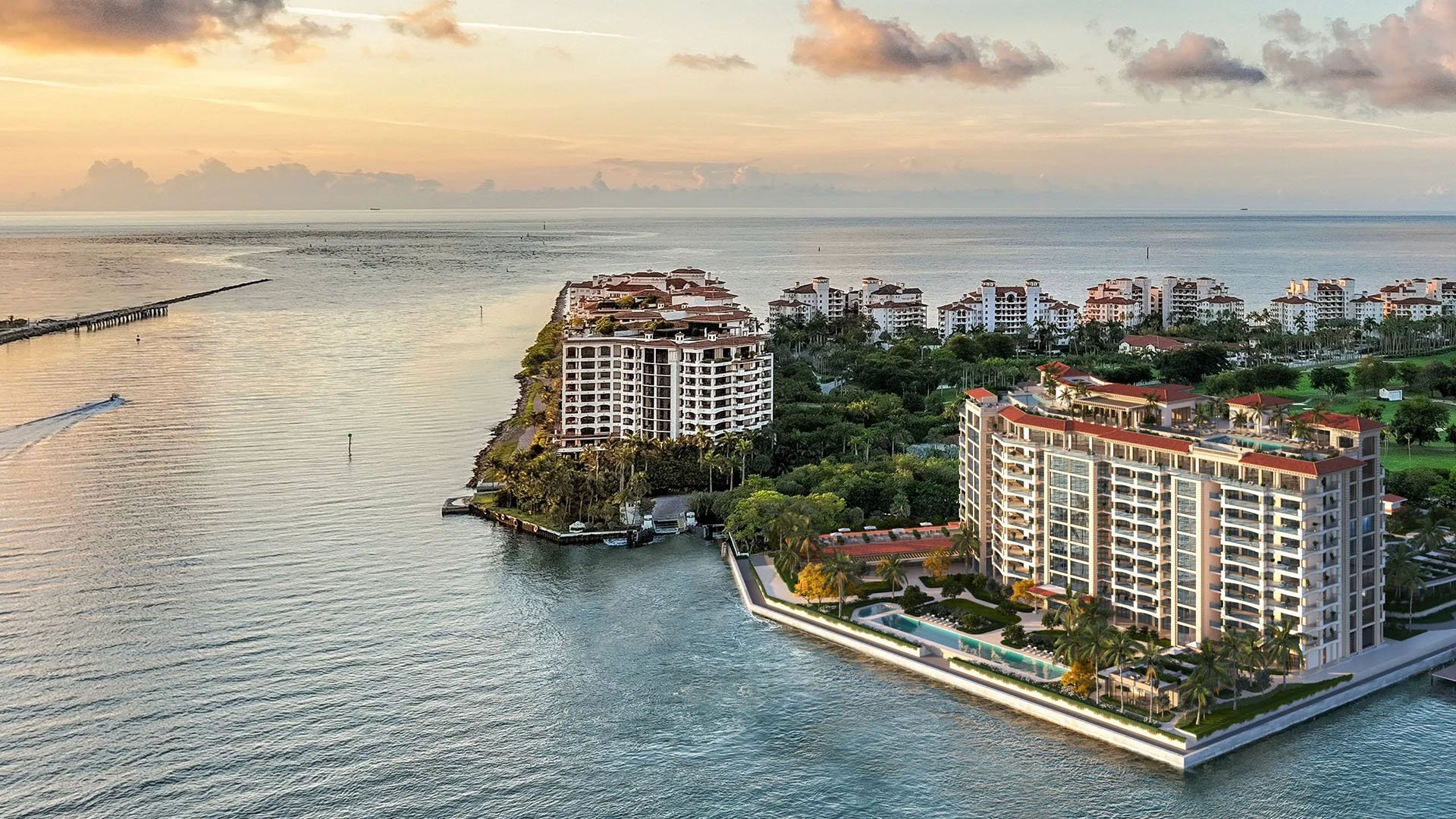
Rather than touring broadly, select a small set of contrasting residences and apply the same questions to each. In South of Fifth, Apogee South Beach and Continuum on South Beach can serve as distinct reference points for a focused conversation about privacy, household routines and the desired relationship with the neighborhood.
Elsewhere in the South Beach conversation, The Ritz-Carlton Residences® South Beach and Setai Residences Miami Beach offer additional candidates for comparison. The objective is not to select a name first, but to determine which residence best matches the operating brief after documents, rules and ownership costs have been reviewed.
Use one scorecard throughout. Rate each candidate for daily livability, lock-and-leave simplicity, privacy, service model, governance comfort and suitability for the intended calendar. Emotional response remains important, but a consistent framework prevents visual appeal from obscuring practical differences.
First choose the life pattern. Then confirm the legal and tax framework. Only then select the property. Reversing that sequence can leave a buyer trying to construct a residency plan around a residence chosen primarily for atmosphere.
A primary home should make ordinary days feel composed. A second home should make arrivals, departures and absences feel manageable. For San Francisco buyers, the better answer is the one that remains credible beyond the first season of ownership.
Does buying in South Beach automatically make it a primary residence? No. The designation should reflect the owner's broader legal, personal and practical circumstances, reviewed with qualified advisers.
Should tax considerations determine the choice? They should inform the decision, not replace a coherent plan for where and how the buyer will live.
What is the first question a bi-coastal buyer should answer? Estimate the realistic annual pattern of occupancy, including work, family obligations and travel between homes.
What makes a condominium suitable as a second home? Suitability depends on building rules, oversight during absences, maintenance routines and the owner's preferred level of service.
What matters more for a primary residence? Daily storage, privacy, workspace, parking, pet needs and guest routines usually deserve close attention.
How should insurance be evaluated? Request current, property-specific information and have qualified professionals review the respective obligations of the building and owner.
Should buyers focus only on purchase price? No. Evaluate recurring ownership obligations, potential future work and the full operating profile before making a commitment.
Can the same residence work for either use? Potentially, but the answer depends on the owner's calendar, governance preferences and expectations for daily life.
How many properties should a buyer compare closely? A concise shortlist is often more useful than a broad tour when every candidate is tested against the same written brief.
When should legal and tax advisers become involved? Bring them in before residency assumptions influence the purchase structure, timeline or personal documentation.
For a tailored shortlist and next-step guidance, connect with MILLION.
If branded residences are on your mind — as a home or as an allocation — we would be glad to share what we are seeing, privately.
Begin a quiet conversation