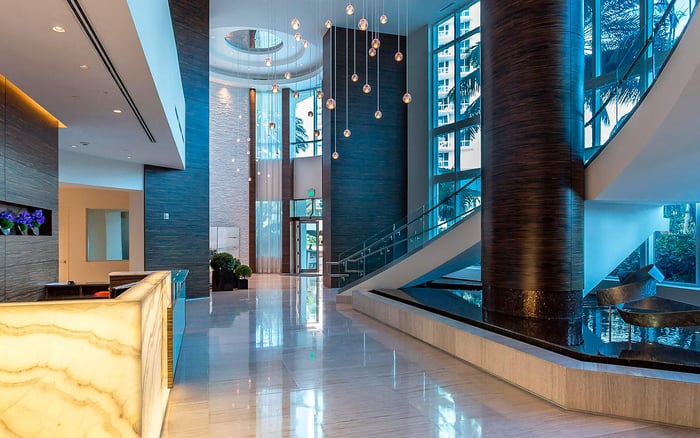
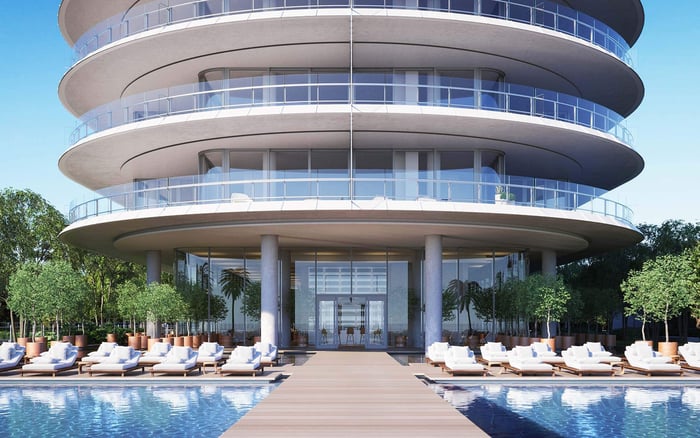
At Continuum, the amenity inventory is only the beginning of buyer due diligence. Current reservation windows, guest rules, allocations, fees and cancellation policies determine how readily residents can use finite facilities when demand is highest.
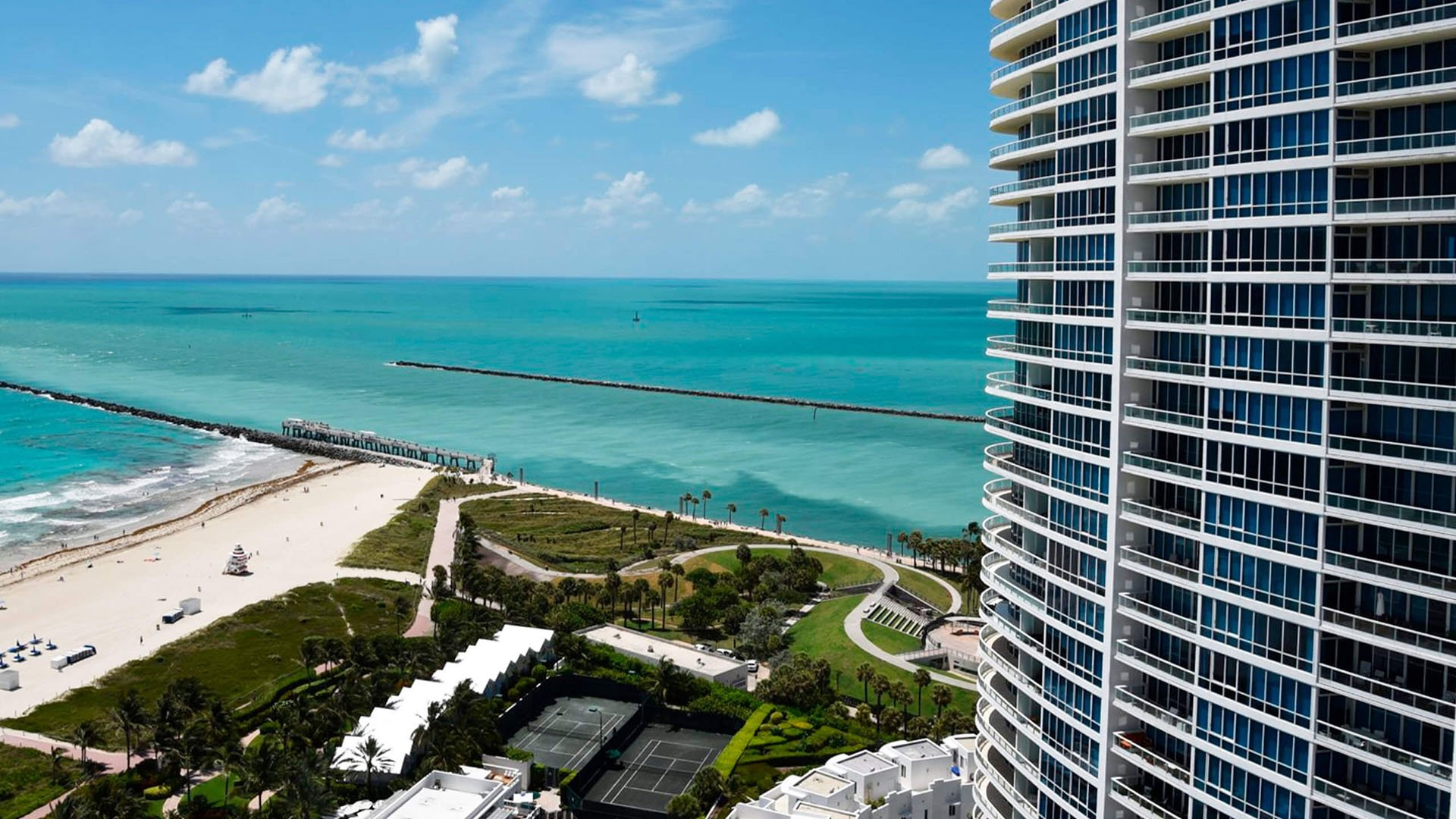
At Continuum on South Beach, the physical proposition is unusually expansive: North and South towers at 50 and 100 South Pointe Drive, approximately 12 acres of gated, landscaped grounds, and about 1,000 feet of direct beachfront. The amenity program includes shared pools, cabanas, tennis courts, a restaurant, spa and fitness facilities. For a buyer, however, the more revealing question is not what exists, but how access to finite amenities works when the property is busiest.
The broad offering is clear, but peak-season booking windows, beach-chair limits, cabana allocations, guest quotas and no-show penalties require closer scrutiny. Those operating details can shape everyday ownership more than an impressive amenity inventory. A residence may include access to a pool or court, yet practical availability can still depend on reservations, time limits, priority rules and household allocations.
At a resort-scale condominium, the rulebook often reveals more about luxury than the brochure.
Continuum’s pool program comprises two lagoon-style swimming pools and an infinity-edge lap pool. Its full-service Beach Club includes beach and pool furniture, cabanas, umbrellas and direct beachfront access. The Sporting Club and Spa features a multilevel fitness component, while the combined spa and fitness center spans approximately 25,000 square feet, with a rooftop pool, treatment rooms, whirlpools, plunge pools, steam room and sauna.
The grounds also contain three Har-Tru tennis courts and an open-air restaurant. Private and semi-private elevators, 24-hour security and 24-hour valet parking complete the broader service environment. This depth helps explain Continuum’s standing within Miami Beach, but it also creates several distinct access systems that merit separate review.
Buyers should resist treating “shared access” as a complete answer. Shared facilities may be available to residents of both towers, but that phrase does not establish whether certain decks, booking windows or privileges differ by tower, occupancy status or season.
Beach access is especially sensitive to allocation. Buyers should ask how many chairs and umbrellas are assigned to each residence, whether that entitlement changes with household size, and whether guests draw from the same allowance. Cabanas warrant their own questions: Are they complimentary, reservable, fee-based or allocated on arrival? Are advance bookings restricted during holidays or other high-demand periods?
The same discipline applies to pool use. Confirm whether any pool deck is tower-specific despite the broader presentation of shared facilities. Ask whether loungers can be held, how unattended belongings are handled, and whether time limits or age restrictions apply. None of these terms should be inferred from the amenity description alone.
For context, nearby Apogee South Beach presents another South of Fifth ownership proposition to investigate, while Five Park Miami Beach offers a broader Miami Beach comparison. The useful comparison is not an amenity tally, but the clarity and suitability of each property’s current operating rules for the buyer’s routine.
The Tennis Court Pavilion is described as a private, members-only facility for residents and guests. That language confirms a controlled environment, not unrestricted availability. Obtain the current tennis-court booking policy, including advance windows, session lengths, daily limits, guest accompaniment, instruction rules, cancellation deadlines and peak-time priorities. With three Har-Tru courts, allocation procedures matter whenever multiple households seek the same morning or evening period.
Wellness access deserves equal precision. The fitness offering includes exercise equipment, nutritional counseling and personal trainers, while spa services include beauty treatments and professional massages. Buyers should distinguish facilities included in common access from appointments, classes and treatments that carry separate charges. Request written terms for class reservations, trainer access, treatment-room scheduling, guest passes, age limits, cancellations and no-shows.
On-site dining adds convenience, but buyers should clarify operating access and guest procedures rather than assume that an amenity’s residential status answers every practical question. The same principle applies across the campus: service availability and reservation priority are separate matters.
The most useful diligence package is current, complete and written. Request the association’s latest rules and regulations, Beach Club procedures, tennis booking policy, guest policy, fee schedule and all recent amendments. Then compare those documents with the representations that influenced the purchase decision.
Ask for direct answers to the following points:
Whether owners and tenants receive identical amenity privileges.
Whether a resident must accompany guests at the beach, pools, spa or courts.
How household chair, umbrella and cabana allocations are calculated.
Which amenities require reservations, fees, deposits or advance cancellation.
Whether priority differs by tower, residency status, season or time of day.
What penalties apply to late cancellations, no-shows or unattended reservations.
Buyers planning to lease their residence should pay particular attention to distinctions between owner and tenant rights. Those purchasing for multigenerational use should examine guest-accompaniment and age rules. Frequent hosts should focus on quotas and passes. A tennis-oriented buyer may care most about recurring court availability, while a wellness-oriented buyer may place greater weight on class capacity and treatment scheduling.
Alternatives can sharpen this analysis. The Ritz-Carlton Residences® South Beach can be evaluated through the same operational lens. Applying consistent questions across properties produces more meaningful comparisons than generalized claims of access.
Reservation rules are not inherently restrictive. Thoughtful policies can protect resident access, discourage unused bookings and distribute scarce resources more equitably. The buyer’s task is to determine whether those policies align with personal habits.
A resident who arrives early and plans ahead may be comfortable with advance reservations. A second-home owner visiting during peak periods may need clarity on seasonal limits. A household that entertains often may consider guest quotas decisive. In each case, the right answer is individual, but the evidence should be documentary rather than assumed.
Continuum’s scale, beachfront setting and broad amenity program remain central attractions. For a discerning buyer, the final layer of value lies in operational access: who may reserve, how far ahead, at what cost, for how long and with what consequences for changes. That is the difference between amenities presented and amenities reliably enjoyed.
For discreet guidance on South Florida luxury ownership and due diligence, connect with MILLION.
If branded residences are on your mind — as a home or as an allocation — we would be glad to share what we are seeing, privately.
Begin a quiet conversationIts North and South towers are at 50 and 100 South Pointe Drive in Miami Beach’s South of Fifth neighborhood.
The condominium occupies approximately 12 acres of gated, landscaped grounds.
The property offers about 1,000 feet of direct beachfront.
The advertised inventory includes two lagoon-style swimming pools and an infinity-edge lap pool.
Yes. The property has three Har-Tru courts, and buyers should confirm current booking and guest rules.
The broad offering is presented as shared between residents of both towers, but buyers should verify whether any facilities or access procedures are tower-specific.
Public amenity descriptions do not state booking windows, chair limits, cabana allocation procedures, guest quotas or no-show penalties.
Confirm chair and umbrella allocations, cabana reservations and fees, guest treatment, seasonal limits and resident-accompaniment requirements.
That should be confirmed directly in the current association documents rather than assumed.
Request the latest rules and regulations, Beach Club procedures, tennis policy, guest policy, fee schedule and all recent amendments.