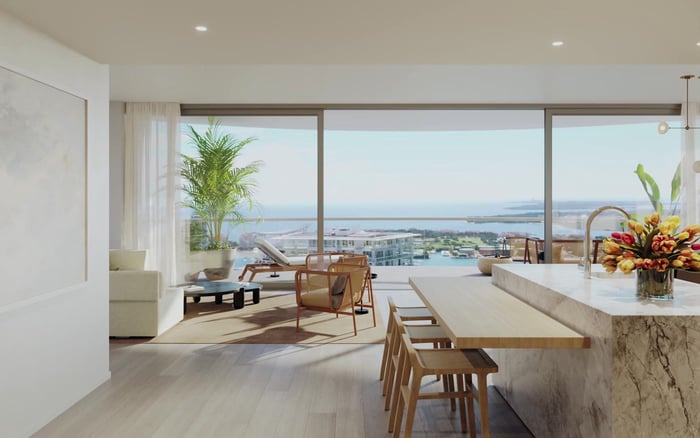
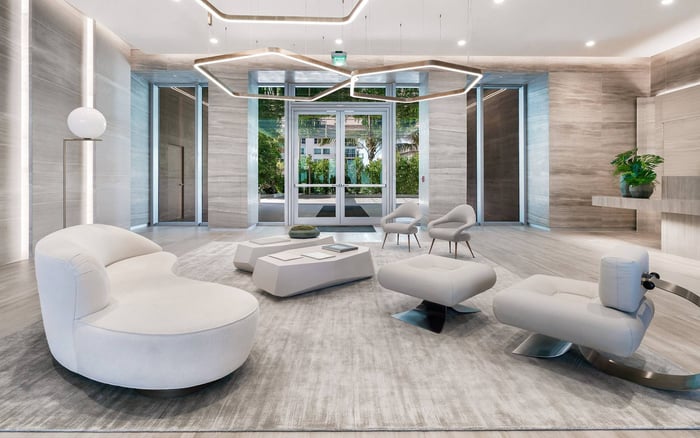
Faena House offers an oceanfront setting and hospitality-oriented services, but aging-in-place buyers should evaluate emergency access, caregiver permissions and residence-level mobility separately from the amenity program.
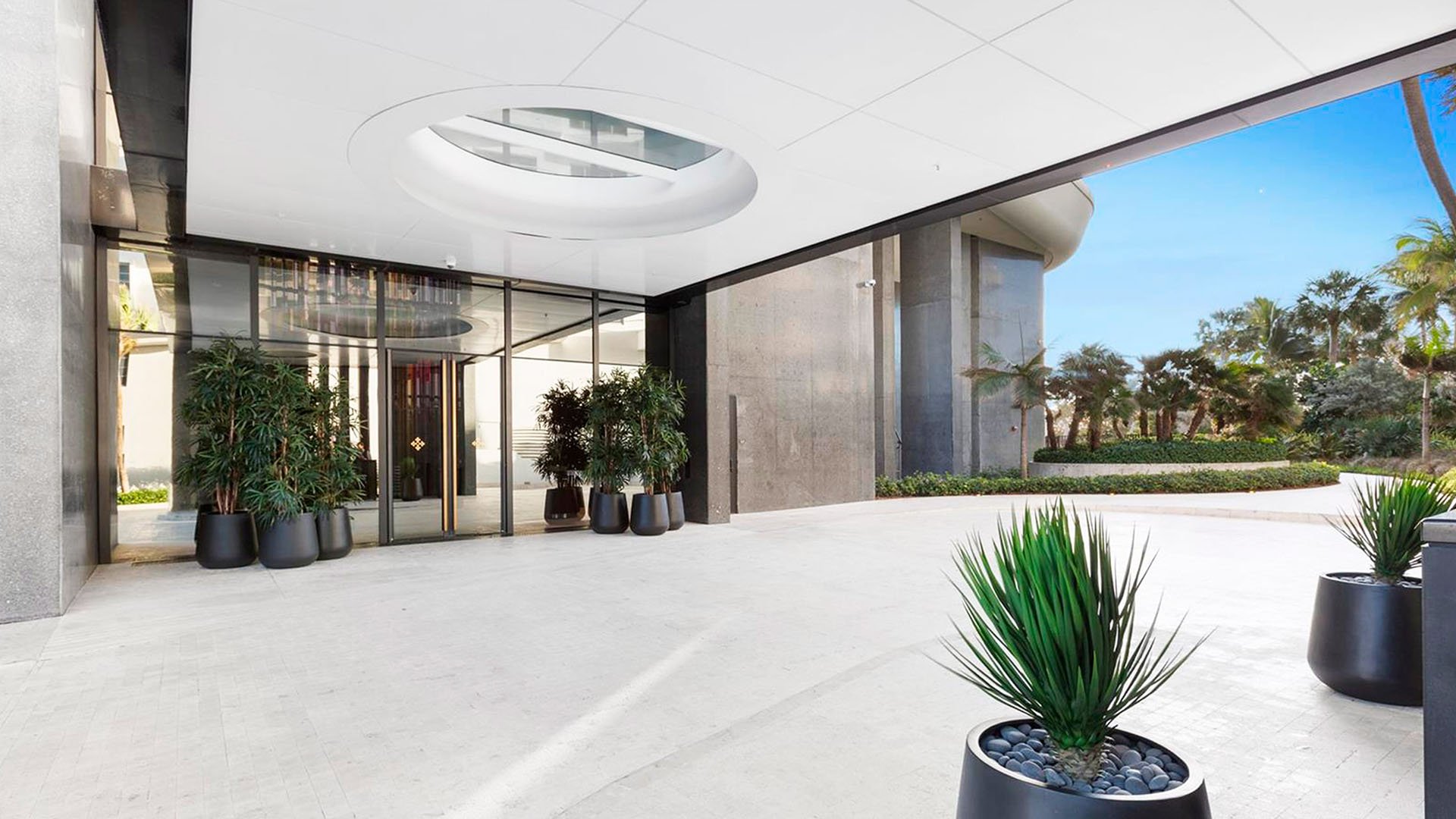
For buyers planning to age in place, the appeal of Faena House Miami Beach extends beyond its oceanfront address. The 47-residence condominium at 3315 Collins Avenue, Miami Beach, FL 33140, sits within Mid-Beach’s Faena District. Advertised services include a 24-hour doorman, valet and five-star concierge, complemented by 24-hour security surveillance and secure private underground parking.
That service environment merits consideration, but the ownership decision rests on a clear distinction: hospitality is not clinical care. A staffed arrival, an attended beach club and hotel access may support an enjoyable daily routine. They do not establish medical monitoring, emergency treatment or the ability to remain in a particular residence as care needs change.
Effective due diligence examines three separate layers: building operations, the accessibility of the actual home and the outside care arrangements the owner may need. Each requires its own assessment, independent of the address’s prestige.
A concierge desk alone is not a measure of emergency medical access. Hospital distances, ambulance response times and building-specific emergency medical services procedures are not established here. Continuous staffing should never be treated as a promise of faster treatment.
Before committing, ask management for a written emergency protocol tracing each step from an incident inside the residence to responders reaching the resident. Keep the questions operational:
Who calls 911, and what happens when the resident cannot communicate?
Who admits responders and directs them to the correct residence?
How is emergency unit access authorized and controlled?
Who manages elevator access and escorts responders when needed?
How are designated family members or caregivers notified?
Clarify overnight coverage and responsibility during shift changes. Separately, ask whether an automated external defibrillator is maintained on-site and whether relevant staff have current CPR or first-aid training. Neither equipment nor training should be assumed from a luxury service description.
For a resident with particular medical needs, develop written emergency instructions with their clinicians and caregivers. The building’s access procedures and the resident’s care plan should complement-not replace-one another.
Faena House’s advertised five-star concierge offers convenience, but buyers should establish precisely what that means for their household. Medical transportation, pharmacy deliveries, caregiver scheduling and home-health coordination are requests to discuss, not confirmed services.
Ask management to distinguish between arranging a third-party service, admitting that provider to the building and accepting responsibility for ongoing coordination. These are materially different commitments. Obtain written clarification of service hours, charges, advance-notice requirements and tasks staff will not undertake.
A practical test is to describe an ordinary week: a recurring home-health visit, a prescription delivery and transportation to an appointment. Ask who handles each step and what happens if the expected provider does not arrive. The answers reveal more than a general assurance that the concierge can assist.
Keep clinical decisions, medication management and health monitoring within a separately arranged care plan. On-site physicians, nurses, urgent care, assisted-living licensing and memory care are not established services here.
A residence may suit an independent owner today yet require regular outside assistance later. Review permissions for live-in or overnight aides, recurring visitors, key fobs, elevator use and parking before those arrangements become urgent.
Secure underground parking with valet service is an established amenity. It does not, by itself, resolve whether a recurring caregiver may park, what access credentials they receive or whether additional charges apply. Ask how replacement aides are registered and whether an unexpected overnight visit requires separate approval.
Document the authorized contacts and entry arrangements that management can accommodate. For families living elsewhere, clarity about who may enter, who may receive communications and who remains responsible for care is more valuable than an informal understanding with an individual staff member.
Elevator access at Faena House does not establish comprehensive accessibility for every residence. Assess the exact home under consideration and the routes the owner would use daily, ideally with an accessibility professional familiar with the buyer’s needs.
Start at the vehicle drop-off or parking area and continue through the entrance, elevator and residence. Examine doorway clearances, thresholds, bathroom layouts, shower entry and space for mobility aids. Include routes to outdoor amenities; beach access alone is not proof of wheelchair-friendly circulation.
Discuss evacuation suitability and procedures for an owner who cannot use stairs independently. Ask what happens when an elevator is unavailable and whether the proposed assistance is documented. If residence adaptations are anticipated, establish approval requirements and feasibility before incorporating them into the ownership plan.
Faena House offers an ocean-view fitness center and a residential spa with separate men’s and women’s sauna and steam rooms, showers and dressing rooms. A landscaped pool, children’s pool, children’s playroom and attended private residential beach club with cabana service also support daily leisure and multigenerational visits.
These are lifestyle amenities, not medical rehabilitation facilities. Evaluate their usability for the intended resident, including entry, seating and circulation, without assigning clinical capabilities to the spa or fitness program.
Preferred status and access to adjacent Faena Hotel services warrant separate confirmation; an underground service corridor connects the properties. Confirm current owner entitlements, charges, hours and corridor permissions in writing. Neither the connection nor preferred status establishes unrestricted, complimentary or accessible access to every hotel offering.
If Setai Residences Miami Beach is also on the shortlist, apply the same questions about emergency entry, concierge scope and caregiver permissions. Compare documented arrangements rather than assuming hospitality-oriented addresses offer equivalent support.
Likewise, when considering The Ritz-Carlton Residences® Miami Beach, evaluate the individual residence and management’s written answers independently. A name establishes neither service equivalence nor medical capability.
Before purchase, assemble management’s written responses, applicable caregiver rules, current hotel-access terms and the residence-level accessibility assessment. Identify what the building provides, what outside professionals must provide and what the family will coordinate. Revisit the plan as needs change.
Faena House’s appeal can remain firmly rooted in oceanfront living and attentive service. For an aging-in-place buyer, confidence comes from knowing where that service ends and how the next layer of support will begin.
For a discreet perspective on your South Florida ownership priorities, explore MILLION.
If branded residences are on your mind — as a home or as an allocation — we would be glad to share what we are seeing, privately.
Begin a quiet conversationFaena House is a 47-residence oceanfront condominium at 3315 Collins Avenue, Miami Beach, FL 33140, within Mid-Beach’s Faena District.
The available service descriptions do not establish on-site physicians, nurses, urgent care or medical monitoring. Buyers should arrange clinical care separately as needed.
Advertised services include a 24-hour doorman, valet and five-star concierge. Building amenities also include 24-hour security surveillance and secure private underground parking.
No. Staffing does not establish ambulance response times or guarantee faster treatment, and building-specific responder access procedures require confirmation.
It should clarify who calls 911, admits and escorts responders, controls emergency unit access and manages elevator access. Buyers should also establish how designated family members or caregivers are notified.
An on-site AED is not established by the available amenity descriptions. Ask management whether one is maintained and whether relevant staff have current CPR or first-aid training.
Those tasks are requests to discuss, not confirmed Faena House services. Obtain written clarification of the concierge’s scope, hours, charges and limits.
Review permissions for live-in or overnight aides, recurring visitors, key fobs, elevator use and parking. Clarify arrangements for replacement caregivers and unexpected visits.
No. Assess the specific residence, bathrooms, thresholds and daily circulation routes, along with evacuation procedures for the intended resident.
Preferred status and access are described in ownership marketing, but unrestricted or complimentary access is not established. Confirm current entitlements, charges, hours and service-corridor permissions.