A buyer-focused guide to seawall inspection costs, structural warning signs, underwater assessments, and permit diligence for South Florida waterfront properties.
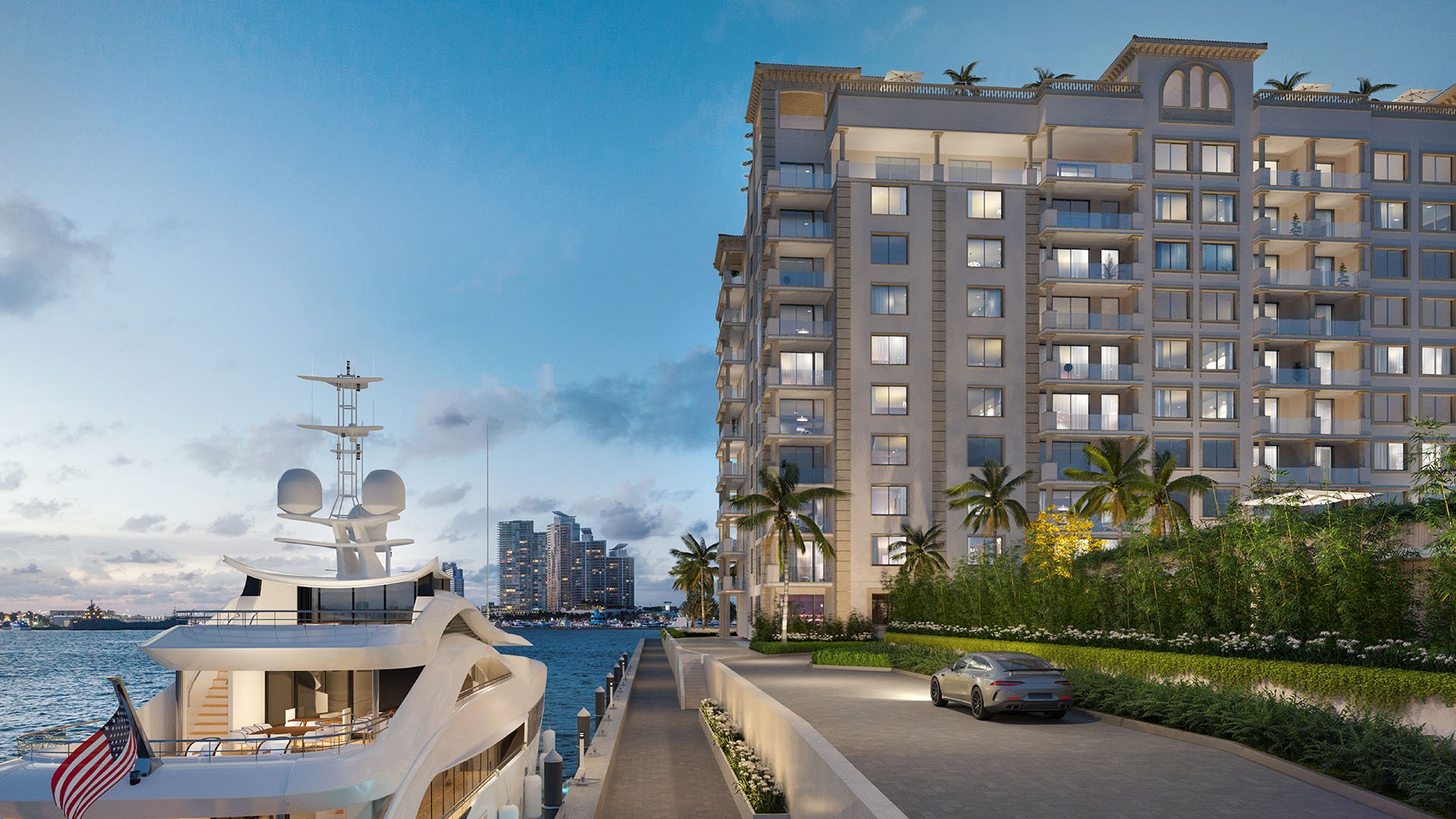
A waterfront home's most consequential feature may sit below the terrace and partly beneath the water. While interiors invite immediate appraisal, a seawall demands a different kind of attention: structural review, an understanding of drainage and retained soil, and a clear distinction between visible condition and submerged performance.
For a South Florida buyer, the objective is not simply to find cracks. It is to establish what has been inspected, what remains concealed, and what engineering or permitting work could follow. A recently finished cap or immaculate landscape is no substitute for that assessment. Treat the seawall as a separate diligence item, with its own scope, findings, and decisions.
A residential structural seawall inspection can cost approximately $1,500-$3,000, but that range is a starting point, not a universal market rate. Wall length, site access, and the required diver scope affect the fee. An above-water visual visit is not directly comparable with a comprehensive structural assessment.
Before engaging an inspector, request a written scope. Confirm whether the price includes a signed-and-sealed engineering report, whether submerged portions will be assessed, and whether underwater work is included or separately priced. Ask how inaccessible elements will be addressed and how limitations will be documented.
Compare equivalent services, not simply competing totals. A lower fee that excludes the underwater assessment may leave a material question unanswered. Nor should an inspection fee be treated as an allowance for repair design, environmental review, or construction permitting. Obtain separate proposals for those services when needed.
Several conditions warrant professional assessment. None should be diagnosed solely from a photograph or a casual walkthrough.
Cracks in the wall face: Visible cracking merits review. Horizontal cracks can indicate lateral pressure behind the wall.
Spalling and exposed steel: Broken concrete, exposed reinforcement, and rust staining can signal corrosion and deterioration rather than cosmetic aging.
Leaning or bowing: Movement toward the water calls for assessment of the wall's structural support.
Settlement behind the wall: Sinkholes, soft spots, erosion, or depressed surfaces can indicate soil escaping through cracks, joints, or voids.
Persistent pooling or unusual seepage: Water collecting behind the wall after rainfall or tidal events, or emerging at unexpected points, deserves investigation.
The ground immediately behind the seawall also warrants attention during the inspection. A level-looking cap does not resolve questions raised by adjacent settlement. After a storm, new cracks, wall movement, dock displacement, or changes in nearby paving warrant prompt inspection-not a wait until the next routine property review.
A structural assessment should address the cap, panels, joints, alignment, tiebacks or anchors, erosion, and submerged portions. Ask the engineer to distinguish observed conditions from elements that could not be accessed or verified.
Underwater deterioration and scour may escape an above-water walkthrough. Confirm whether a diver or underwater survey is needed, what that work will examine, and how its findings will inform the structural assessment. Do not assume “seawall inspection” includes every submerged component.
For buyers considering a Miami Beach residence alongside The Ritz-Carlton Residences® Miami Beach, the question remains property-specific: what shoreline structure is relevant to this purchase, and what condition documentation is available? A project name or setting is not evidence of seawall condition.
Historical Fort Lauderdale construction benchmarks from February 2023 offer limited planning context: approximately $650-$2,000 per linear foot for new seawall construction and $75-$125 per linear foot for adding a 12-inch concrete cap. These are historical benchmarks, not current South Florida averages or bids for a particular property.
The historical benchmarks also included approximately $60 per cubic foot of epoxy mortar for broken or spalled concrete repair. That is a material-volume repair measure, not a whole-wall repair price. It should not be compared directly with a construction figure expressed per linear foot.
Keep those distinctions intact when reviewing an acquisition budget. Have the engineer identify the recommended intervention, then obtain a current proposal tied to that scope. Do not turn a historical cap price into an assumed solution for a wall whose panels, anchors, or retained soil still require assessment.
Whether evaluating a private home in Fort Lauderdale or considering Sixth & Rio Fort Lauderdale as a residential alternative, base any shoreline cost comparison on documented conditions rather than a generic waterfront allowance.
An engineering inspection does not replace environmental permit review. Miami-Dade coastal-construction provisions address seawall and bulkhead construction, repair, replacement, and the minimum filling or dredging necessary for installation. A short-form environmental permit pathway may be available for qualifying work, subject to location and other eligibility requirements.
Do not assume that a proposed repair, replacement, or waterward offset qualifies. Confirm the operative ordinance and the project's eligibility with the relevant authorities before relying on a particular approval route. Work can involve Miami-Dade DERM and Florida DEP, so establish the engineering conclusion and the permit pathway separately.
For a Bay Harbor Islands search that includes Onda Bay Harbor, ask property-specific questions rather than treating county-level language as an approval. Equally, do not carry Miami-Dade provisions into Broward or Palm Beach. The property's jurisdiction and proposed work must guide the review.
Ask a licensed Florida engineer to assess structural adequacy and prepare signed-and-sealed repair documents when required. Request a clear distinction between observed defects, inaccessible components, recommended further investigation, and proposed repairs. That separation makes the findings more useful than an undifferentiated list of concerns.
Assemble available prior engineering documents, repair records, and permit information for review. Then reconcile three items: the inspection findings, the proposed construction scope, and the applicable approval requirements. If they do not describe the same work, seek clarification before relying on the budget.
Investment discipline at the water's edge means replacing assumptions with defined responsibilities and costs. An attractive waterfront setting remains the starting point; a documented understanding of the seawall helps support the purchase decision.
For a considered approach to South Florida waterfront property, explore MILLION.
If branded residences are on your mind — as a home or as an allocation — we would be glad to share what we are seeing, privately.
Begin a quiet conversationA residential structural inspection can cost approximately $1,500–$3,000. Wall length, access, and diver scope affect pricing, so confirm the included services in writing.
No. Confirm whether submerged portions will be assessed and whether a diver or underwater survey is included or separately priced.
It should address the cap, panels, joints, alignment, tiebacks or anchors, erosion, and submerged portions. Ask that inaccessible elements and assessment limitations be documented.
Visible cracks warrant assessment, and horizontal cracking can indicate lateral pressure behind the wall. A professional should evaluate their structural significance.
Not necessarily. Rust staining, spalling concrete, and exposed reinforcing steel can indicate corrosion and deterioration.
Soft spots, sinkholes, settlement, or erosion can indicate retained soil escaping through cracks, joints, or voids. These conditions deserve professional assessment.
New cracking, wall movement, dock displacement, or settlement of adjacent surfaces warrants prompt inspection.
February 2023 Fort Lauderdale benchmarks of approximately $650–$2,000 per linear foot provide historical context only. Obtain a current proposal tied to the engineer's recommended scope.
A short-form environmental permit pathway may be available for qualifying work, subject to location and other eligibility requirements. Verify the operative ordinance and the specific project's eligibility before relying on it.
No. Work can involve Miami-Dade DERM and Florida DEP, and Miami-Dade provisions should not be assumed to apply in Broward or Palm Beach.