For families who charter rather than own a yacht, the right South Florida home may offer convenient departures without the purchase premium and obligations of a private dock. Separate marina pricing from ownership costs, verify boarding arrangements, and evaluate waterfront infrastructure on its own merits.
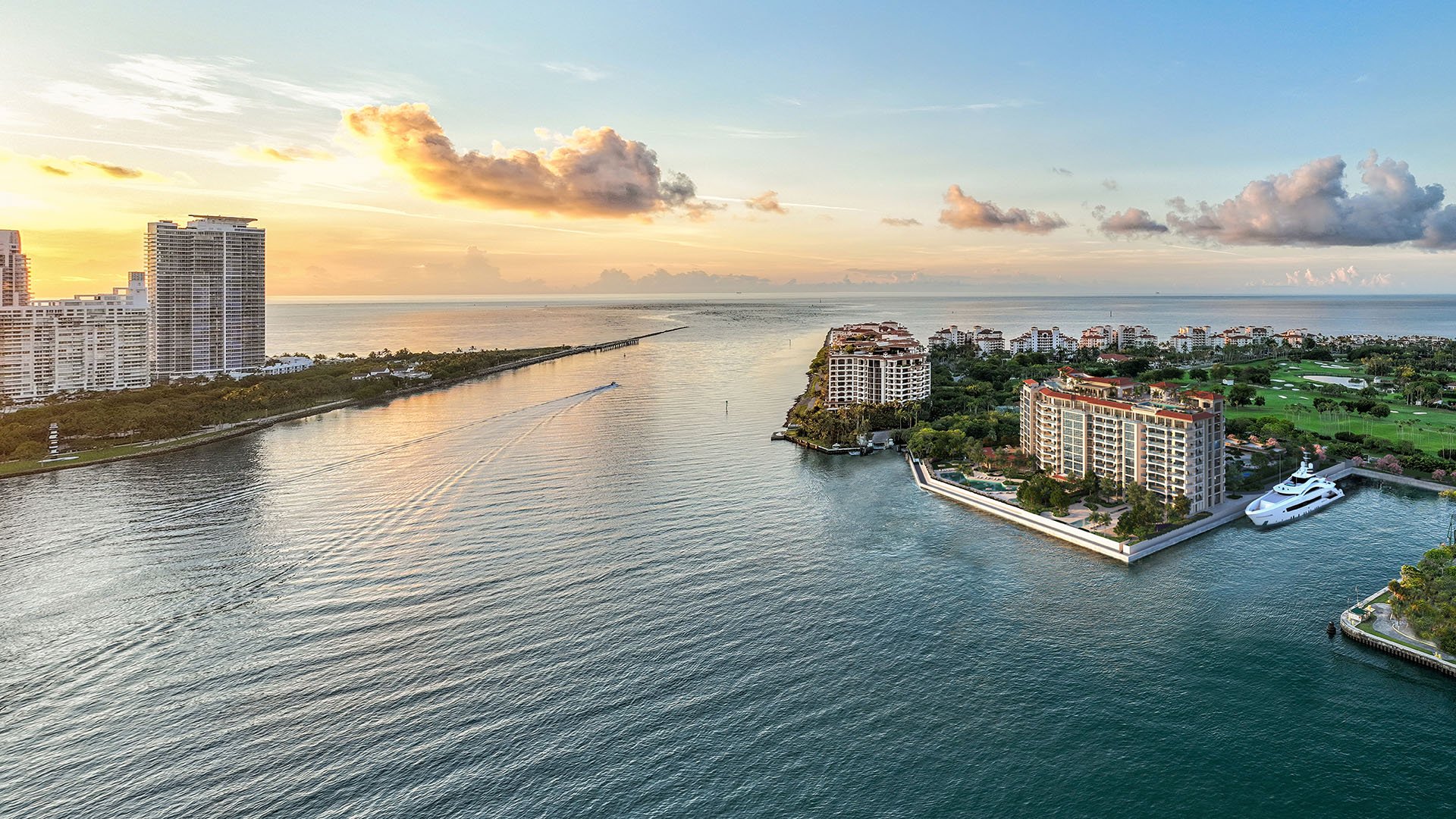
A family that charters can enjoy South Florida’s boating life without making a yacht’s permanent berth part of its residential brief. That distinction matters when a compelling waterfront home includes a dock that looks indispensable in photographs but contributes little to how the household actually spends its weekends.
Start with the departure routine: where the charter begins, how often the family goes out, and whether boarding at home is genuinely available. A private dock should earn its place in the purchase decision through use, not association with waterfront living.
For a chartering household, convenient access to the right departure point may be more valuable than private dockage. That does not make a dock-equipped home the wrong choice. It makes the dock a feature to evaluate separately from the home’s architecture, privacy, views, and daily experience.
Before assigning value to a dock, ask the charter operator whether guests can embark at a private residence or must meet the vessel at its usual marina. Do not assume an attractive stretch of waterfront can serve as the starting point for every charter.
Request confirmation for the intended vessel and departure arrangement. Ask whether home pickup is available, what conditions apply, and whether positioning or short-term dockage changes the charter price. These are questions for the operator, not benefits to infer from a property description.
Then test the journey as a family would make it. Consider children, guests, luggage, and the return home. A residence that makes the entire outing straightforward deserves serious consideration, even if the boat never approaches the property.
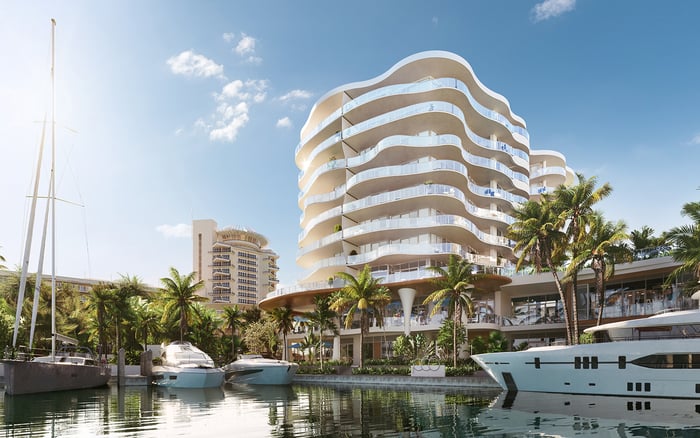
In a Fort Lauderdale search that includes Andare Residences Fort Lauderdale, apply the same test: assess the residence against the confirmed boarding location rather than assuming a boating lifestyle requires a private residential berth.
The first cost is the home’s dock-related purchase premium. Ask your adviser to compare otherwise relevant properties and explain what supports any price difference attributed to dockage. Do not apply an assumed premium without property-specific support.
The second is private infrastructure ownership: the dock, seawall, and any work their condition or permitting history may require. Establish that exposure through inspections and property-specific estimates, not marina pricing.
The third is rented marina space. If the household actually needs a berth, request a current written quote for the intended vessel and rental period. Keep that quote separate from both a private-dock maintenance budget and the price of the home.
For a family that charters, the central question is whether it needs to rent a slip at all. An avoided annual slip bill is not automatic savings if the household would never have incurred it. Likewise, marina rates do not justify a residential dock premium without a separate valuation argument.
When comparing Miami Beach and Coconut Grove homes, establish the operator’s departure arrangements before estimating the cost or convenience of a boating day. Confirm whether relevant dockage is included in the charter agreement, charged separately, or irrelevant to the booking.
A Miami Beach home search that includes Five Park Miami Beach should therefore begin with the operator’s actual departure arrangements, not a presumed relationship between the residence and a marina.
Apply the same discipline when considering Four Seasons Residences Coconut Grove. Evaluate the residential experience separately from the confirmed journey to embarkation. Neither a neighborhood name nor a residential project name establishes charter pickup rights, berth availability, or vessel acceptance.
If the preferred home has a dock, commission a marine contractor to inspect both the dock and seawall. Request permits for previous work, and distinguish visible condition from documented approvals. A polished deck is no substitute for understanding the structure beneath it.
Before budgeting for repairs or alterations, ask qualified professionals to verify the approvals, plans, inspections, and elevation requirements applicable to the property and proposed work. If dredging is contemplated, confirm its feasibility and approval requirements separately. Do not treat a general description of waterfront rules as clearance for a particular project.
Keep infrastructure questions separate from residential appeal when comparing alternatives such as Sixth & Rio Fort Lauderdale. A project’s name does not establish which marine rights, costs, or obligations accompany a particular purchase.
Removing a private berth from the brief does not remove every waterfront obligation. A dockless home can still have a seawall and flood exposure. Check flood maps for the property address and obtain property-specific insurance guidance rather than relying on the listing’s description.
Ask the lender and insurance adviser to confirm applicable coverage requirements before finalizing the ownership budget. Keep any required coverage and property-specific estimates in the comparison, whether or not the home has a dock.
The distinction matters: choosing not to buy dockage is a lifestyle and capital-allocation decision, not a shortcut around waterfront due diligence.
If a berth is genuinely necessary, request written rates, availability, utility charges, storm policies, and acceptance of the intended vessel. Compare rental terms against the family’s actual use rather than assuming a longer commitment represents better value.
Build the final comparison around the residence, confirmed charter access, documented infrastructure exposure, and costs the household will actually incur. Pay for a private dock when it materially improves the family’s life, not merely because it completes the waterfront picture.
Explore a South Florida home search shaped around the way your family actually lives with MILLION.
If branded residences are on your mind — as a home or as an allocation — we would be glad to share what we are seeing, privately.
Begin a quiet conversationNot necessarily. Confirm where the operator requires boarding and whether home pickup is available before assigning value to residential dockage.
Separate the dock-related purchase premium, private dock and seawall upkeep, and marina-slip rental. Marina rates do not establish the cost of owning private infrastructure.
Request a current written quote for the intended vessel and rental period. Only include that expense in the comparison if the household actually needs a berth.
Compare the terms with the family’s actual use before committing. A longer rental period is not automatically better value for a household that rarely needs a slip.
That depends on the operator and intended vessel. Obtain confirmation of home boarding, applicable conditions, and any additional charges before relying on it.
No, a neighborhood or project name does not establish pickup rights, berth availability, or vessel acceptance. Confirm the arrangements with the charter operator.
Have a marine contractor inspect both structures and request permits for previous work. Establish potential costs through property-specific findings and estimates.
No, it can still have a seawall and flood exposure. Removing dockage from the brief does not eliminate waterfront due diligence.
Ask qualified professionals to confirm current approvals, plans, inspections, and elevation requirements for the property and proposed work. Verify any contemplated dredging separately.
Check flood maps for the property address and obtain property-specific insurance guidance. Ask the lender and insurance adviser to confirm applicable coverage requirements.