For coastal South Florida buyers, flood maps and insurance deserve the same attention as architecture and location. Understand mapped risk, lender requirements, and the property-specific questions to resolve before closing.
In coastal South Florida, a considered purchase extends beyond the residence itself. Architecture, outlook, and privacy establish a property's appeal; flood-zone verification and insurance review clarify the terms of ownership. For a luxury buyer, these are complementary exercises, not competing priorities.
The essential distinction is straightforward: a mapped flood designation, a lender's insurance requirement, and the protection an actual policy provides are separate matters. Understanding one does not resolve the others. A lower-risk designation does not eliminate flood exposure, and most homeowners policies exclude flood damage.
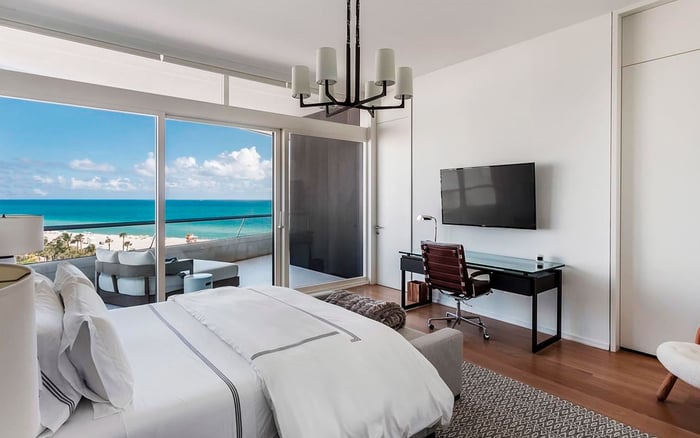
For someone considering The Perigon Miami Beach, the starting point is the same as for any coastal acquisition: verify the address and examine the relevant insurance documents. A project name or neighborhood reputation should never substitute for that review.
Special Flood Hazard Areas, often abbreviated SFHAs, have at least a 1% annual chance of flooding. That probability is not a timetable. It does not mean flooding occurs only once in a century.
For properties within these areas, flood insurance is generally required when the mortgage comes from a federally regulated lender. In moderate- or low-risk zones, flood insurance is generally not federally mandatory, although an individual lender may still require it.
Several map designations warrant careful reading:
Zone A: A high-risk designation associated with at least a one-in-four chance of flooding over a 30-year mortgage.
Zone AH: Shallow flooding, generally averaging one to three feet deep.
Zone AO: Shallow sheet-flow flooding, generally one to three feet deep, with at least a 1% annual flood probability.
These descriptions help interpret the map, but they do not establish a property's premium or the scope of an insurance contract. Ask the insurance professional to explain the designation for the exact address rather than relying on a general description of the surrounding district.
One of the most consequential insurance assumptions is also among the easiest to avoid: homeowners coverage is not automatic flood protection. Most homeowners policies exclude flood damage. Flood coverage is available through the National Flood Insurance Program and private insurers.
For luxury acquisitions, the question is not simply whether a policy exists, but whether its protection addresses the buyer's intended ownership arrangements. Request a written explanation of what is insured, what is excluded, which deductibles apply, and which limits govern the proposed coverage. Do not infer these terms from the purchase price.
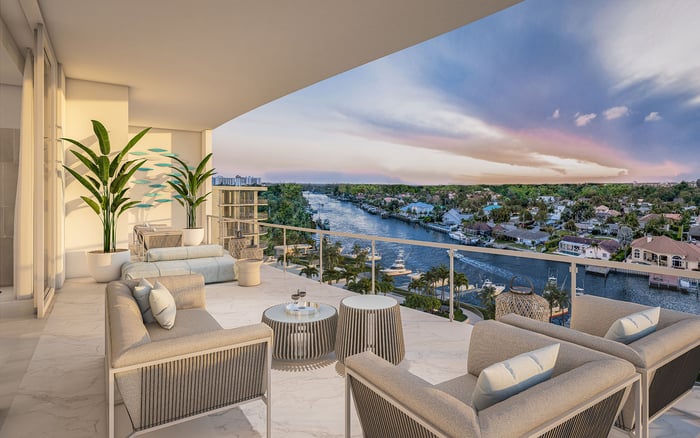
When evaluating a condominium such as Four Seasons Hotel & Private Residences Fort Lauderdale, request the relevant association insurance documents alongside the proposed individual coverage. Have the insurance adviser identify which responsibilities belong to the association and which remain with the owner. Neither the building's identity nor the residence's position within it establishes those policy terms.
A cash purchase also calls for a deliberate coverage decision. The absence of a mortgage-related requirement does not mean the absence of flood risk.
Flood-zone classifications are not permanent. Revised maps can change a property's designation and affect insurance requirements or costs. An earlier transaction file may offer useful background without providing sufficient evidence for a new purchase.
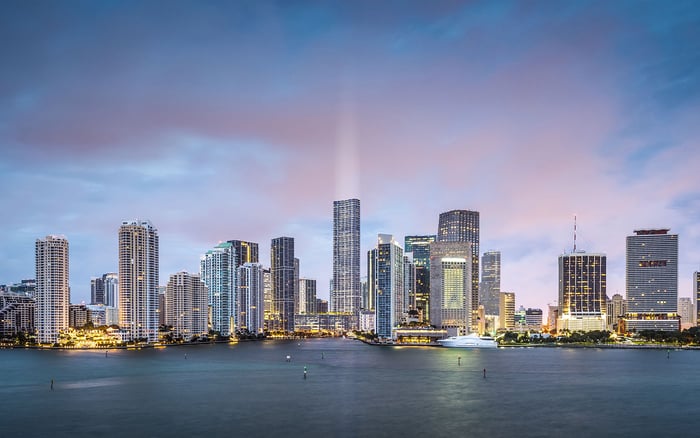
The scale of regional revisions was substantial in June 2024: approximately 138,800 additional structures across Miami-Dade, Broward, and Palm Beach counties were identified as moving into special flood hazard areas. Within that historical transition, nearly 89,000 Broward parcels previously classified as low risk were moving into a higher-risk zone.
Those figures describe a historical mapping transition, not current property totals. Structures and parcels are different units and should not be treated as interchangeable.
In Palm Beach Gardens, new flood maps became effective December 20, 2024. For a buyer considering The Ritz-Carlton Residences® Palm Beach Gardens, that local milestone reinforces the need to check the applicable map rather than rely on an older designation. It does not, by itself, establish the project's zone or coverage requirements.
Address-based searches provide a starting point for reviewing official flood maps, with an address-searchable flood-zone mapping tool also available for Miami-Dade. Flood maps and accompanying flood-study materials are available to research, view, and download free of charge.
Begin with the exact property address. Confirm the mapped designation and the effective map being used, then ask the lender and insurance adviser to reconcile that information with their requirements. Flood Insurance Rate Maps, commonly called FIRMs, help determine flood hazards and flood-insurance rates; they do not replace a property-specific coverage review.
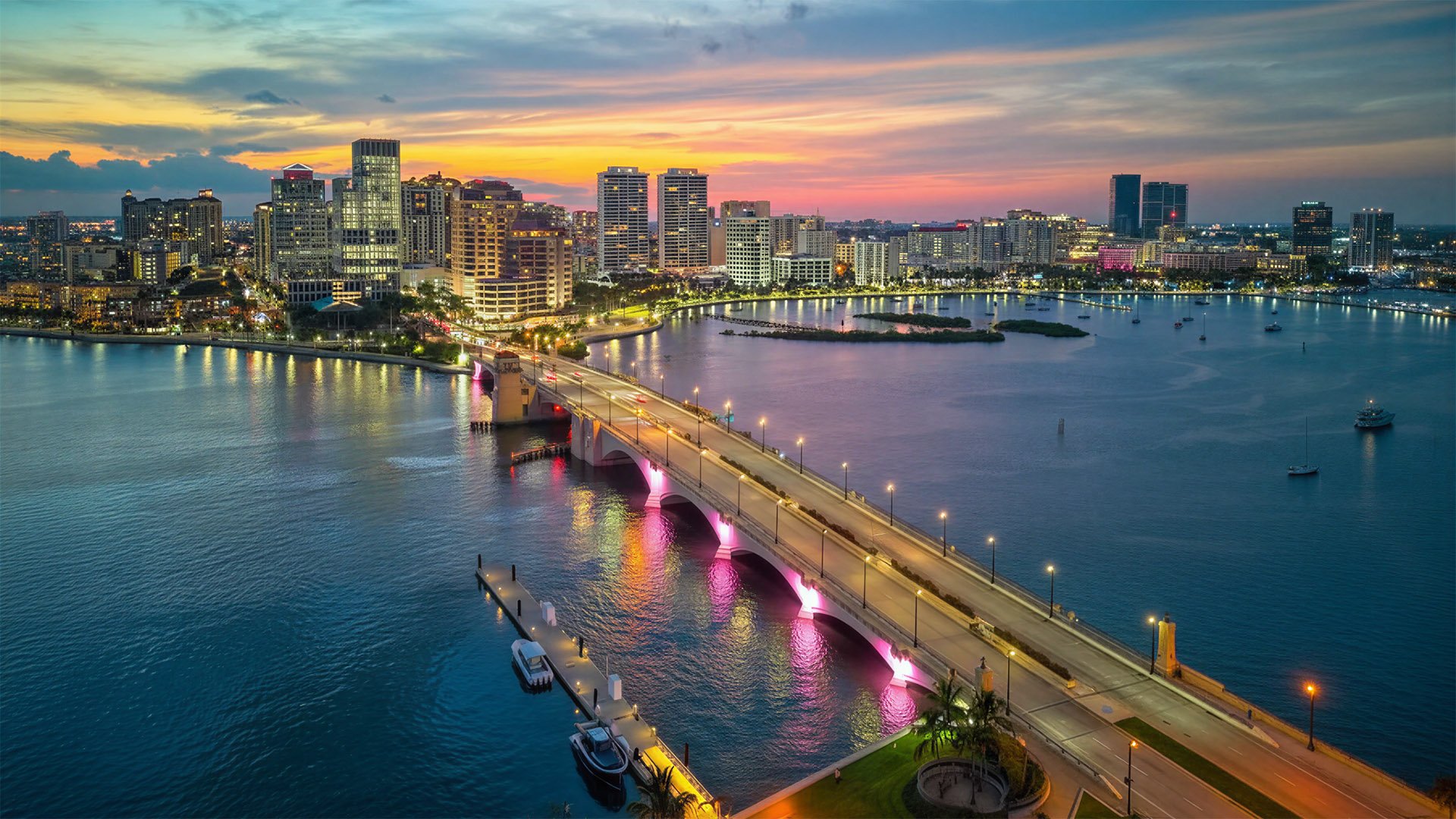
A West Palm Beach search that includes Alba West Palm Beach should follow the same sequence. Compare residences on their individual documentation rather than applying a single insurance assumption to an entire area.
A disciplined review can remain concise. Before committing to the final ownership budget, resolve these questions with the appropriate advisers:
Mapped status: What designation applies to the address, and which effective map supports it?
Financing conditions: Does the lender require flood coverage, including where no federal mandate generally applies?
Coverage structure: What protection is proposed through the National Flood Insurance Program or a private insurer?
Condominium responsibilities: What do the association documents and individual policy actually cover?
Written terms: What premiums, limits, deductibles, and exclusions apply to this specific purchase?
The objective is not to predict an insurance outcome from a map label. It is to replace assumptions with documented terms while the buyer still has time to review them.
Flood insurance deserves consideration even outside high-risk zones. A lower-risk designation can inform the purchase, but it should not end the discussion. Equally, a high-risk designation calls for careful evaluation-not an unsupported conclusion about a property's insurability or cost.
For coastal luxury buyers, the strongest position is an informed one: a verified address, a clear understanding of the lender's requirements, and coverage reviewed on its own terms.
Explore South Florida residences with MILLION while making property-specific flood and insurance diligence part of your acquisition plan.
If branded residences are on your mind — as a home or as an allocation — we would be glad to share what we are seeing, privately.
Begin a quiet conversationA Special Flood Hazard Area has at least a 1% annual chance of flooding. The designation helps identify high-risk areas but does not establish an individual property's insurance premium.
Flood insurance is generally required for properties in Special Flood Hazard Areas with mortgages from federally regulated lenders. A lender may also require coverage outside those areas.
Most homeowners insurance does not cover flood damage. Buyers should review separate flood coverage rather than assume it is included.
Yes. A property outside a high-risk zone can still flood, so a lower-risk designation should not end the coverage discussion.
Flood coverage is available through the National Flood Insurance Program and private insurers. Buyers should review the proposed terms with an insurance professional.
Use the exact address in FEMA's Flood Map Service Center. Miami-Dade also offers an official address-searchable flood-zone mapping tool.
Zone AH denotes shallow flooding generally averaging one to three feet deep. Zone AO denotes shallow sheet-flow flooding generally one to three feet deep, with at least a 1% annual flood probability.
Yes. Revised maps can change a property's flood-zone designation and affect insurance requirements or costs.
New FEMA flood maps became effective in Palm Beach Gardens on December 20, 2024. Buyers should verify the applicable designation for the specific property.
Request the association's relevant insurance documents and the proposed individual coverage. Ask an insurance adviser to clarify responsibilities, limits, deductibles, and exclusions.