For seasonal buyers, Aston Martin and Kempinski present different financial diligence questions. The meaningful comparison lies in unit-specific charges, documented reserve funding, capital obligations, and the assumptions behind future budgets.
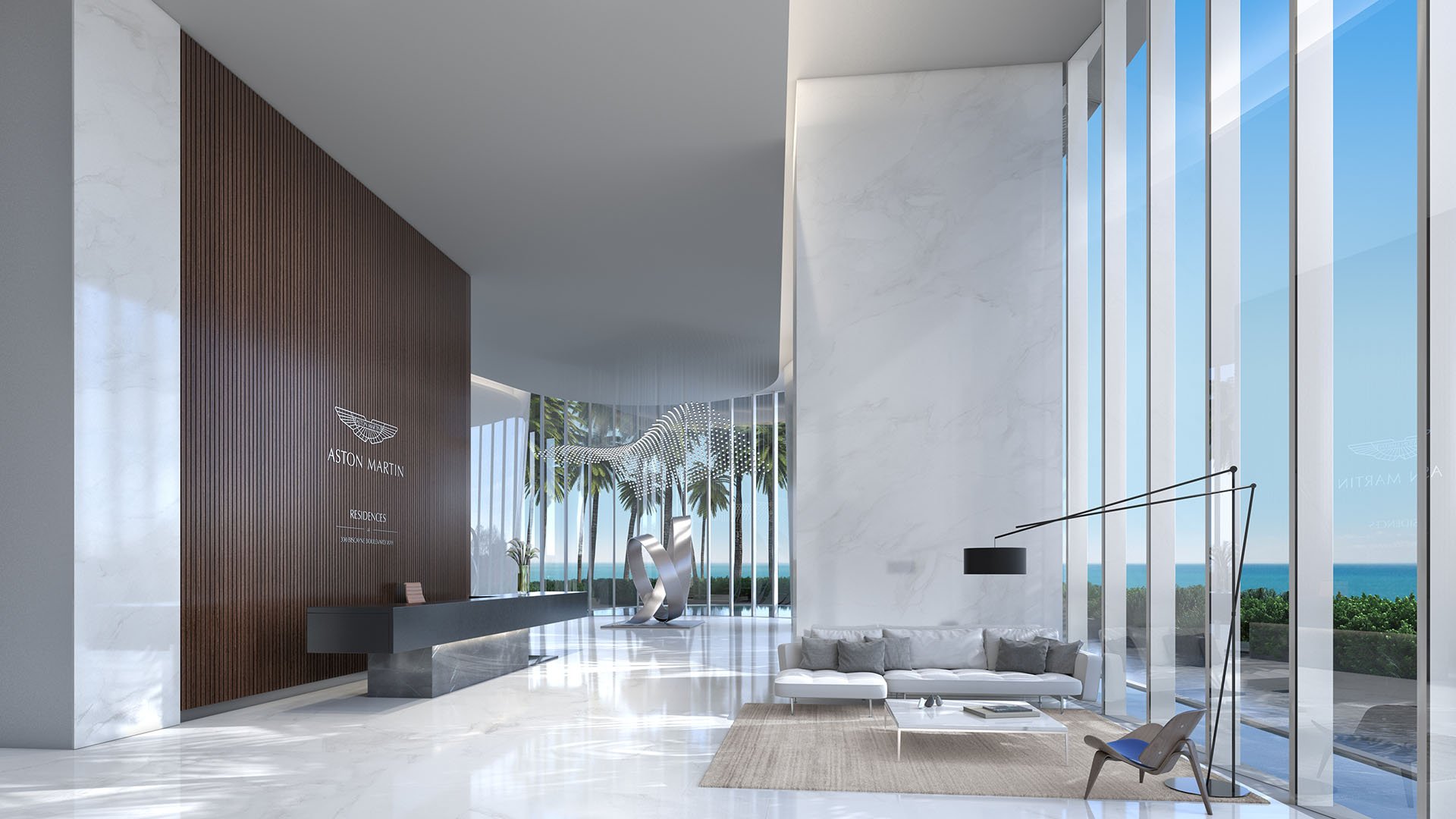
A seasonal residence should make arrival effortless. Its financial structure deserves equal attention: a clear annual budget, documented reserve contributions, and a precise account of what falls outside the monthly charge. For buyers comparing Aston Martin Residences Downtown Miami with Kempinski Residences Miami Design District, the central distinction is not simply the advertised maintenance figure. It is the maturity of the financial information behind it.
Aston Martin is a 2024-built condominium at 300 Biscayne Boulevard Way. The diligence question is whether early operating expenses match initial projections. Kempinski, comprising two proposed 23-story towers, presents a pre-completion question: whether projected charges will hold through budget formation, turnover, and stabilized operations. Its indicated 2029 construction year remains an estimate, not a confirmed delivery commitment.
Neither a newer building nor a prestigious name establishes fee predictability. That requires a residence-specific review of obligations, assumptions, and available financial records.
Maintenance estimates for Aston Martin range from $1.25 to $1.76 per square foot monthly. Those figures are starting points for inquiry, not a verified fee schedule or evidence of a particular increase. They should not be applied indiscriminately to a prospective purchase.
Individual advertised charges underscore the need for precision. Unit 3403 carries an advertised monthly maintenance charge of $5,112, excluding taxes, mortgage costs, and separately incurred insurance. For Unit 3503C, the advertised charge is $5,325 monthly, with property taxes presented separately. Unit 3201 has an advertised monthly association fee of $6,852. These are snapshots, not association-certified quotations.
For the selected residence, request written confirmation of the current charge, its effective date, its allocation basis, and any separately billed items. Then compare the approved budget with actual spending on insurance, utilities, payroll, repairs, elevator contracts, amenity operations, and reserve contributions.
An initial budget is a forecast. A meaningful operating record shows where that forecast has held, where it has changed, and whether recurring shortfalls are being addressed. Ask management to explain material variances; a single monthly figure is not the complete financial picture.
Kempinski residences are private freehold condominiums, with ownership including association membership and responsibility for shared amenities and building services. For a seasonal purchaser, that structure makes the proposed association budget as important as the residence specification.
An indicative association charge of approximately $6,042 monthly is advertised, subject to residence size and confirmation. It is not a stabilized operating result. Nor should it be compared directly with an average advertised charge at Aston Martin as though the residences, allocations, and included services were equivalent.
Request written post-turnover dues estimates and the assumptions supporting them. Do projected charges depend on developer subsidies, introductory pricing, or amenities that are not yet fully operating? What staffing, insurance, utility, and reserve allowances underpin the estimate? Which obligations are expected to change when owners assume association control?
The objective is not to demand certainty where estimates remain necessary. It is to distinguish a documented assumption from an unexplained number-and understand how a change would affect the owner's budget.
A reserve fund appears among the advertised maintenance inclusions for Aston Martin Unit 3201. That establishes only its inclusion in the description, not the reserve balance, the sufficiency of contributions, or the relationship between accumulated funds and future work.
The advertised inclusions also encompass building insurance, common areas, security, pool service, elevators, management, parking, water, sewer, and internet/Wi-Fi. Buyers should confirm those inclusions for their own residence and distinguish common-building coverage from separately required or chosen insurance.
For either property, assemble a financial review containing:
The approved budget and available prior-year comparisons.
Financial statements, reserve balances, and aged receivables.
Insurance declarations and renewal history.
Any applicable reserve study or Structural Integrity Reserve Study.
Read the reserve balance alongside the scope, timing, and estimated cost of the work it is intended to fund. Developer warranties are a separate consideration, not funded reserves. Neither property's reserve adequacy nor its special-assessment status is established here; both require documentary confirmation before a buyer reaches a conclusion.
The practical capital question is not merely whether work is planned. It is what work is contemplated, when a decision is expected, and how the association intends to pay for it.
Request engineering assessments, at least 12 months of available board minutes, planned-project schedules, identified funding sources, and documentation of pending assessments. Review warranties, turnover documents, and unresolved construction issues as well. For a pre-completion purchase, distinguish documents available now from those expected at later stages.
A useful review separates routine operating expenses, scheduled capital replacements, and unresolved construction matters. Ask which category each identified item belongs in and whether its cost already appears in the budget or reserve plan. A warranty discussion is not a funding explanation.
Building age alone should not determine an official inspection deadline. Confirm any applicable building-specific requirements with the appropriate professionals rather than relying on a projected anniversary.
Before treating either residence as a lock-and-leave home, review the declaration and service arrangements against how you intend to live. Confirm provisions governing seasonal occupancy, leasing, guests, valet, club services, and separately billed services. No particular permission or restriction should be inferred from the brand.
Ask how owner communications, maintenance access, and approvals are handled during an extended absence. Establish which services are included and which must be arranged separately. These questions turn an attractive service proposition into a workable ownership plan.
Build an annual carrying-cost schedule using the confirmed association charge, property taxes, applicable insurance, financing costs if relevant, and selected services. Keep potential capital obligations visible as a separate uncertainty; do not assume the monthly charge captures every exposure.
The same discipline applies to a broader search that includes Waldorf Astoria Residences Downtown Miami: compare the documentation behind each proposal, not simply the advertised monthly expense. This is a diligence principle, not a claim that these properties share fees, rules, or reserve positions.
For Aston Martin, prioritize actual-versus-budget performance. For Kempinski, prioritize the assumptions behind post-turnover operations. In both cases, the strongest seasonal-ownership decision rests on clear obligations and a credible funding plan-not an assurance that fees will remain unchanged.
For a discreet conversation about seasonal ownership in South Florida, connect with MILLION.
If branded residences are on your mind — as a home or as an allocation — we would be glad to share what we are seeing, privately.
Begin a quiet conversationAston Martin buyers should test early actual expenses against initial budgets. Kempinski buyers should examine pre-completion assumptions and written post-turnover dues estimates.
Examples include $5,112 for Unit 3403, $5,325 for Unit 3503C, and $6,852 for Unit 3201. These advertised figures require current, residence-specific confirmation.
The indicative advertised charge is approximately $6,042 monthly, subject to residence size and confirmation. It is not an established stabilized operating cost.
Not reliably without matching residence size, allocation basis, and included services. Their advertised figures are not like-for-like ownership quotations.
No; Unit 3201's advertised reserve inclusion does not establish the reserve balance or whether contributions are sufficient for future obligations.
Request approved budgets, available prior-year comparisons, financial statements, reserve balances, aged receivables, and insurance documentation. Include any applicable reserve study or Structural Integrity Reserve Study.
Review engineering assessments, available board minutes, planned work, funding sources, pending assessments, warranties, turnover documents, and unresolved construction issues.
No confirmed special-assessment status is established here for either property. Obtain documentary confirmation rather than interpreting the absence of information as the absence of obligations.
No; it is an estimate, not a confirmed delivery commitment.
Confirm declaration provisions for seasonal occupancy, leasing, guests, valet, club services, and separately billed services. Neither property's specific permissions or restrictions are established here.