A primary-residence review of the Palm Beach Gardens development, separating documented developer financing from the litigation disclosures, insurance terms and buyer-level mortgage decisions that require independent scrutiny.
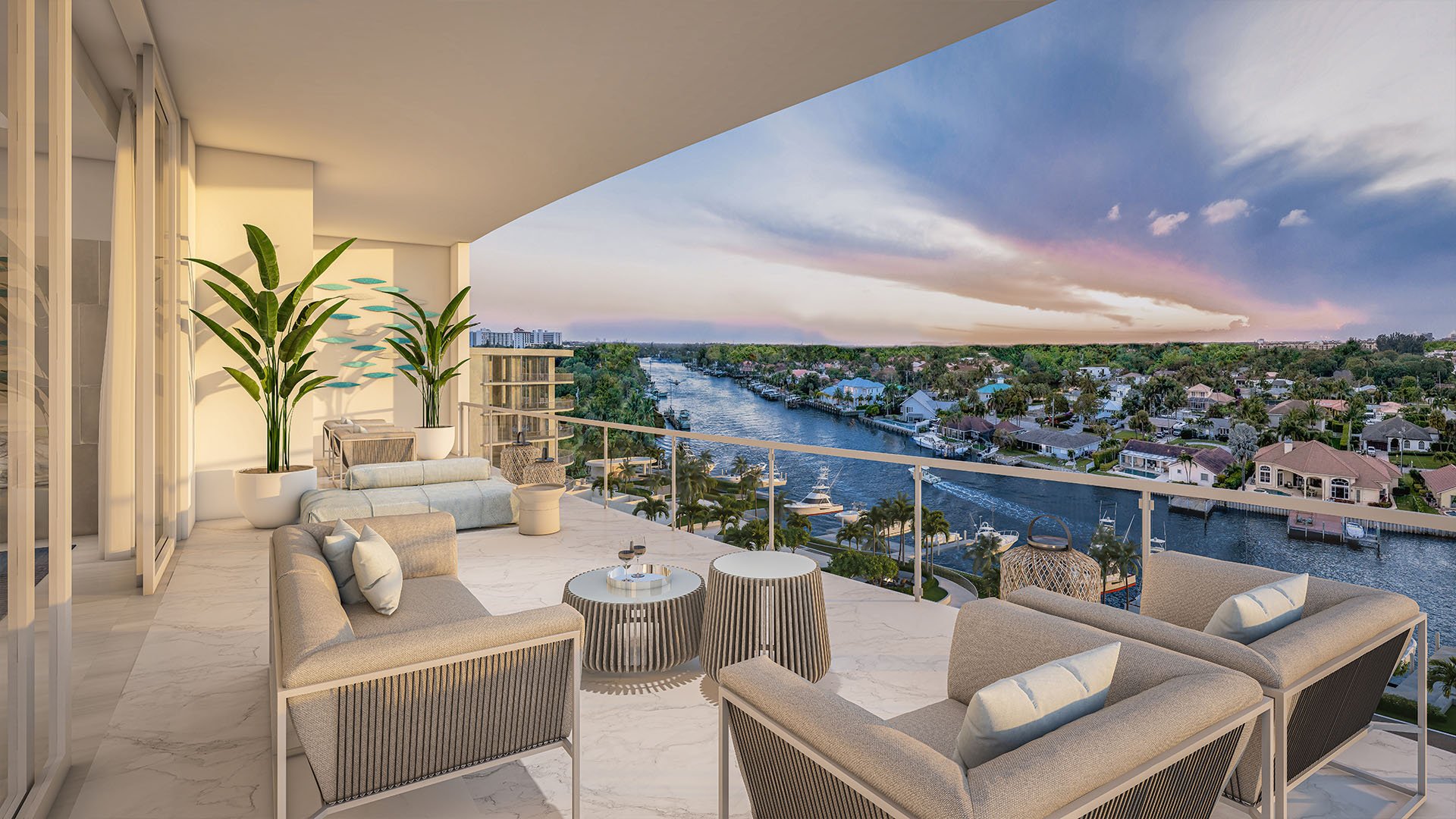
For a primary-residence buyer, luxury also means continuity: a dependable move, a clear ownership budget and confidence in the documents behind the address. At The Ritz-Carlton Residences® Palm Beach Gardens, the review should separate the waterfront appeal from three distinct questions: legal disclosures, association insurance and purchaser financing.
The available facts do not establish a project-specific lawsuit, construction-defect action or insurance-renewal dispute. Nor do they establish that the project is litigation-free or that insurance terms are finalized. Institutional financing is documented; a lender's response to a particular dispute is not.
The appropriate posture is neither alarm nor automatic reassurance. Request current documents, assign each question to the right adviser and resolve material uncertainties before relying on a closing or moving date.
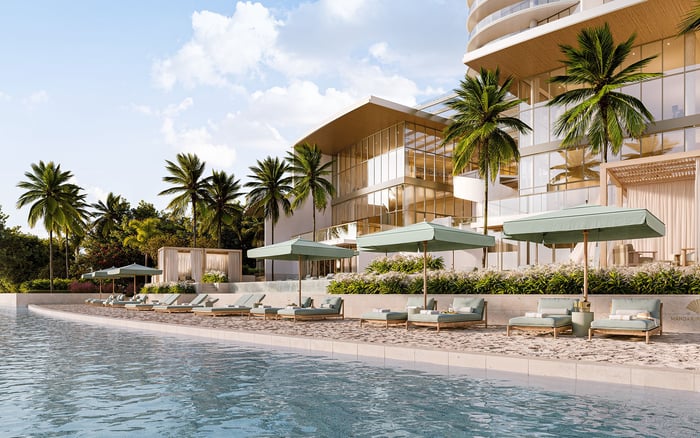
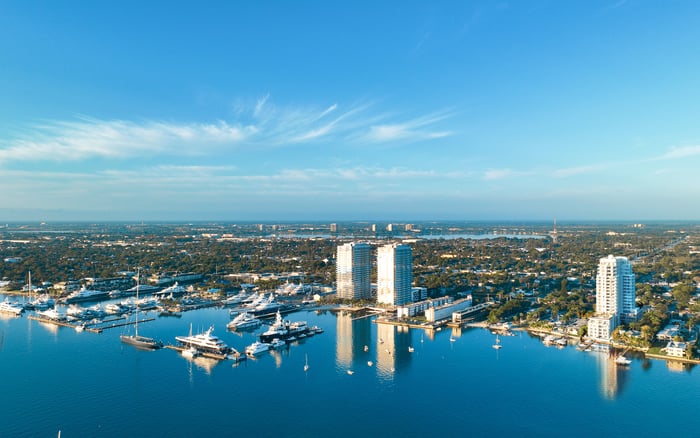
The development is at 2200 PGA Boulevard, Palm Beach Gardens, FL 33408. Plans encompass approximately 14 acres and about 1,040 feet of Intracoastal frontage, with 106 residences across three seven-story buildings. Catalfumo Companies is the developer.
Those dimensions establish the project's scale, not the economics of ownership. Buyers should ask how expenses are allocated among buildings, residences and shared facilities, then reconcile the answers with the governing documents and budget. The planned building count warrants a question about allocation; it does not establish a particular association structure.
The Ritz-Carlton name is used under license. Marriott International and its affiliates do not own, develop or sell the residences. In the wider Palm Beach area, a recognizable name can shape expectations, but buyers should identify which entity owes each contractual obligation.
A buyer also considering The Ritz-Carlton Residences® West Palm Beach should compare the legal and operating documents independently, rather than assume a shared name means identical obligations. This is a method of comparison, not a statement about either project's legal or insurance status.
For a full-time home, ask which services are contractual, who provides them and how their costs enter the ownership budget. Have counsel distinguish enforceable commitments from descriptions of the intended experience. Apply the same discipline to delivery representations: an anticipated completion year cannot substitute for written confirmation of the conditions permitting occupancy.
Start with the latest offering documents, every amendment and current litigation disclosures. Ask Florida condominium counsel to identify the relevant parties and distinguish any disclosed matter involving the developer, association, contractor or another entity. These are review steps, not assertions that such matters exist here.
If a matter is disclosed, ask specific questions. What is alleged? What relief is sought? What is its procedural status? Is there an asserted insurance response, and has coverage been accepted, reserved or disputed? Have counsel explain any potential connection to completion, title, association finances or the buyer's contract.
Do not treat every legal matter as equivalent-or accept a broad assurance in place of the underlying disclosure. Request written updates before closing and have counsel verify which disclosure, amendment and cancellation requirements apply to the transaction. A general condominium checklist does not establish a project-specific deadline.
First, establish what coverage is bound, what is merely quoted and when each arrangement expires. Request insurance declarations, relevant policy forms and endorsements, renewal correspondence, and any nonrenewal or conditional-renewal notices. Ask whether those notices exist; do not presume they do.
Have an insurance adviser review wind and flood coverage, exclusions, limits and deductibles. Request a plain-language explanation of how deductibles would operate and how any owner exposure would be allocated under the governing documents. A premium figure alone cannot answer those questions.
Next, reconcile coverage with the association budget. Are premiums based on final terms or estimates? Do projections depend on temporary arrangements or developer subsidies? If either is present, what replaces it, and when? Request a budget scenario showing the effect of less favorable renewal terms, without assigning an unsupported probability to that outcome.
The same approach is useful when comparing Alba West Palm Beach: use the same document checklist, but do not assume comparable premiums, coverage or risk. The aim is a consistent review, not an unsupported ranking of buildings.
The financing history is substantial, but its implications must be kept in scope. A $340 million construction loan from Madison Realty Capital was announced on May 4, 2023. In May 2026, Northwind Group provided a reported $401 million first-mortgage completion-to-inventory loan.
The floating-rate facility refinanced the earlier construction loan, with a portion held back until project completion. Its stated purpose was to support construction completion and continued sellout. This documents institutional participation in the development-not approval of an individual purchaser's mortgage or confirmation that every residence qualifies for end-user financing.
The May 2026 figures put the development at approximately 35% presold, with completion expected in 2026. These are dated indicators, not current sales figures or confirmation of delivery and occupancy. The financing announcement also does not establish how a lender reacted to litigation or insurance-renewal negotiations.
A financed buyer should submit the specific building and unit to the intended lender early. Ask what project documents remain outstanding, whether insurance review is complete and what conditions could prevent funding. Obtain those answers separately from borrower prequalification. A cash buyer can omit mortgage approval, but not the legal, insurance and operating-cost review.
For a primary residence, organize the review into three files: contractual and legal exposure; association budget, reserves and insurance; and financing and occupancy timing. Request the latest budget and reserve materials, then have Florida condominium counsel verify applicable inspection and reserve requirements rather than assume project-specific obligations.
Before committing to a move, request written confirmation of the anticipated closing sequence and the documentation supporting lawful occupancy. Keep contingency arrangements proportionate to unresolved timing questions.
The strongest purchase case is not simply an appealing address backed by a large developer loan. It is an address whose current documents support the buyer's intended daily life, ownership costs and closing plan.
For a discreet perspective on your South Florida primary-residence search, connect with MILLION.
If branded residences are on your mind — as a home or as an allocation — we would be glad to share what we are seeing, privately.
Begin a quiet conversationThe development is located at 2200 PGA Boulevard, Palm Beach Gardens, FL 33408.
Plans call for 106 residences across three seven-story buildings on approximately 14 acres, with about 1,040 feet of Intracoastal frontage.
Catalfumo Companies is the developer. The Ritz-Carlton brand is used under license; Marriott International and its affiliates do not own, develop or sell the residences.
The available facts do not substantiate a project-specific lawsuit or construction-defect action. That does not establish that the project is litigation-free, so current disclosures should be reviewed by counsel.
No project-specific insurance-renewal dispute is substantiated by the available facts. Buyers should still request current coverage documents and renewal correspondence.
Review bound coverage, expiration dates, exclusions, deductibles, and wind and flood terms with an insurance adviser. Ask whether budgeted premiums depend on estimates, temporary arrangements or developer subsidies.
Northwind Group provided a reported $401 million first-mortgage completion-to-inventory loan. The floating-rate facility refinanced the earlier construction loan and supported completion and continued sellout.
No. The intended lender should review the specific building and unit separately from the buyer's personal financial qualifications.
No. Completion was expected in 2026 as reported in May 2026, but that forecast did not confirm delivery or occupancy.
Florida condominium counsel should review the offering documents, amendments and litigation disclosures, and verify applicable inspection, reserve, disclosure and cancellation requirements. Buyers should not assume transaction-specific obligations or deadlines from a general checklist.