A discreet seasonal home needs more than a polished arrival court. For Coconut Grove owners, tide-aware entertaining means address-specific access checks, documented garage procedures, driver alternatives and a plan for vehicles and equipment before water arrives.
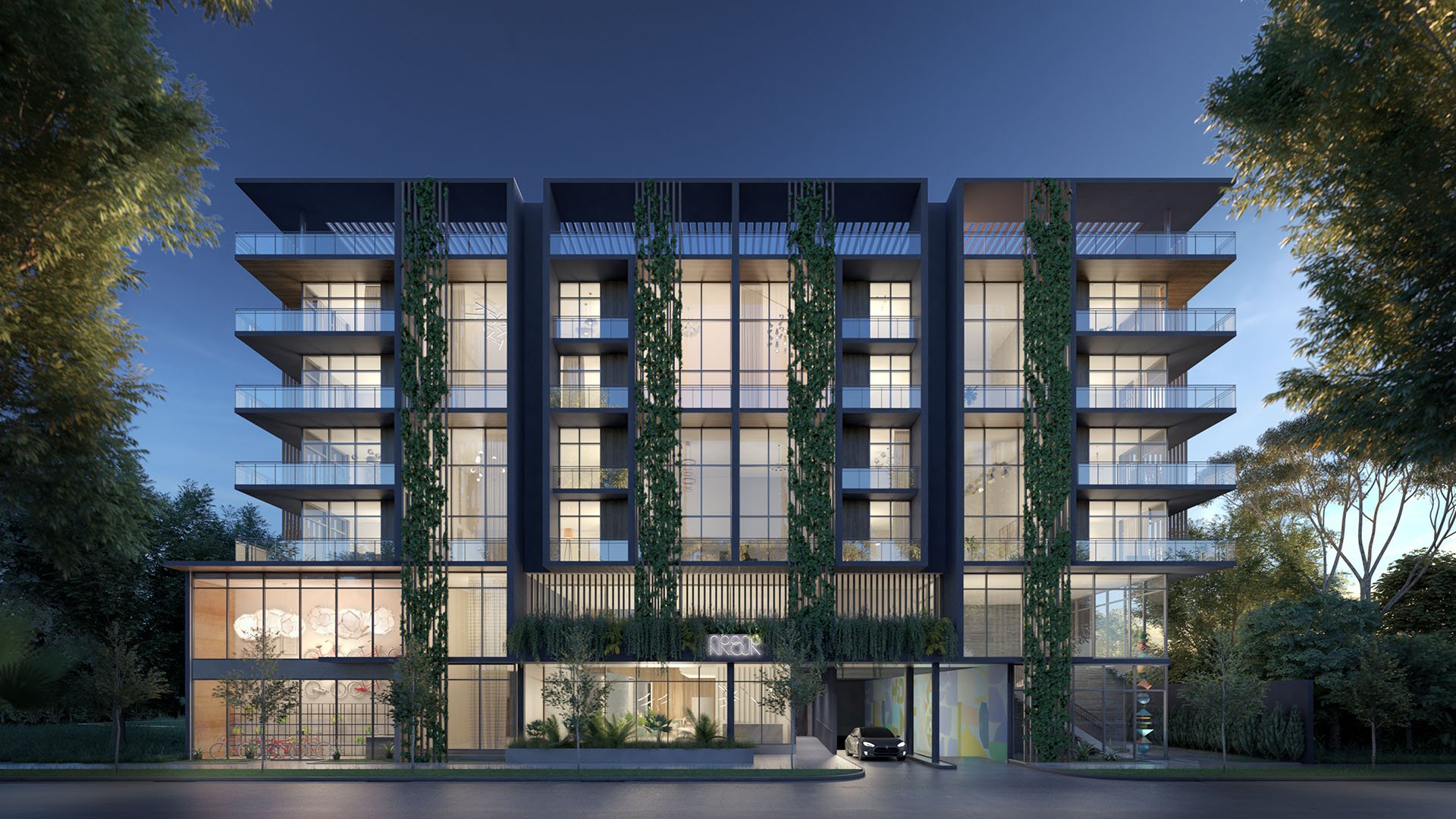
In Coconut Grove, an elegant seasonal home should function as well on the evening of a private dinner as it does during a quiet afternoon viewing. That means looking beyond the residence to the final street approach, garage threshold and arrangements for guests, drivers and deliveries. A beautiful arrival court is not, by itself, an access plan.
For buyers considering Four Seasons Residences Coconut Grove, the question is not whether the neighborhood has a single flood profile. It does not. Higher ridge streets and lower bayfront parcels have materially different exposure, and low-elevation inland areas can also flood during king tides. Evaluate the address, its approaches and its operating procedures separately. Project names here serve as reference points for a buyer’s search, not assessments of any building’s flood performance.
Miami’s king-tide season runs from September through November, when low-lying streets can flood without rain. The anticipated 2026 windows are September 10-13 and 26-30; October 7-13 and 24-30; and November 6-9 and 23-26. Place these dates alongside the household’s entertaining commitments; they are not evidence that any particular event will be disrupted.
A typical episode lasts about three hours-a planning reference, not a promise that a driveway or street will reopen on schedule. Rainfall, drainage backups and access restrictions may outlast the tide itself.
Before confirming an arrival time, ask the household manager to review expected conditions and arrange a check-in with building management. Allow flexibility for guest arrivals and service deliveries where practical. If access is uncertain, move the pickup point or adjust the timing only after checking the alternative. Neither a calendar date nor a predicted tide establishes that a specific route is passable.
South Bayshore Drive, East and West Fairview Street, and Dinner Key parking areas are identified locations of king-tide flooding. Day Avenue, Main Highway and Virginia Street warrant a different inquiry: heavy-rain ponding. These are reasons to investigate an approach, not indications that every block floods during every episode.
Do not designate an entire inland corridor as flood-proof. Instead, trace the journey from the surrounding road network to the actual vehicle entrance, including turns, waiting areas and the point where a car could safely divert before reaching water. Consider departure as carefully as arrival, particularly when guests may leave later under different conditions.
When assessing Park Grove Coconut Grove, focus the access discussion on the entrance and parking arrangement under consideration. Request an explanation of any proposed alternate approach, then confirm that it remains usable under current conditions. A second route is valuable only if it avoids the obstruction rather than rejoining the same flooded segment farther along.
Second-home ownership calls for a garage review that remains useful when the owner is elsewhere. Request garage-entry elevations and the basis for those measurements, prior water-intrusion records, pump-maintenance documentation, elevator-pit exposure information and backup-power arrangements. Ask which systems backup power serves; do not assume it supports every access or drainage function.
Distinguish the parking space from the route to it. An elevated space does not establish that the ramp, gate or street approach remains accessible. Nor should a ground-level garage be presumed to flood simply because it is near the bay.
For a residence under consideration at Mr. C Tigertail Coconut Grove, request the same property-specific documentation rather than inferring performance from the address or presentation. Ask who authorizes an access closure, who communicates it to residents and what happens if an owner’s car must be moved during an absence. These are due-diligence questions, not assertions about the building’s systems.
The essential instruction is simple: do not enter floodwater, including saltwater flooding, to reach a garage or collect a guest. A driver should have permission to stop or divert without waiting for an owner to interrupt dinner.
Prepare a short arrival brief with the intended entrance, a management contact, a pre-agreed fallback parking location and an alternate pickup point. Select those alternatives through property-specific checks; familiarity does not establish that a curb or nearby parking area is suitable. Confirm permission to use the location and reassess conditions before dispatching vehicles.
For entertaining, consider higher-ground valet staging where available and approved. Verify a dry, usable pedestrian connection as well as vehicle access. Avoid arrangements that require guests or staff to cross water, and keep instructions consistent across private drivers, valet teams and household staff. If neither the primary approach nor the fallback is usable, delay the movement rather than improvising a crossing.
Specialty cars, golf carts and garage equipment deserve their own exposure review. Inventory where each item is stored, how it could be relocated and who has access to keys or operating instructions. Where the property-specific assessment warrants relocation, arrange it before anticipated high water, while a dry route remains available.
Avoid parking vehicles in low-lying areas during king-tide periods. For an absent owner, establish a clear notification and authorization process so a caretaker knows when to request a move and where the vehicle may go. Relocation should not depend on the owner answering a late call from another time zone.
If a vehicle has been exposed to floodwater, arrange for it to be checked and cleaned. Include that response in the household plan; receding water does not necessarily end the issue. Equipment precautions should reflect actual storage conditions, not a blanket assumption that every bayfront garage floods.
Before making an offer, check the property’s flood-zone designation and obtain an address-specific flood-insurance quote. Regional water-level information and coastal flooding visualizations can provide context, but neither establishes the accessibility of a particular garage. Keep routine tidal flooding, rainfall ponding and hurricane storm surge distinct in the discussion.
Whether evaluating Arbor Coconut Grove or another residence, seek a practical ownership file: documented access conditions, management contacts, vehicle instructions and contingencies for entertaining while the owner is away or hosting. Revisit it before each seasonal return and before gatherings during anticipated high-water windows.
The objective is not to promise uninterrupted access. It is to replace last-minute improvisation with informed decisions, so the residence supports the season with discretion and clarity.
Explore Coconut Grove residences with MILLION and bring an address-specific access brief to your next property conversation.
If branded residences are on your mind — as a home or as an allocation — we would be glad to share what we are seeing, privately.
Begin a quiet conversationMiami’s king-tide season runs from September through November. Low-lying streets can flood during these periods even without rain.
The anticipated windows are September 10–13 and 26–30, October 7–13 and 24–30, and November 6–9 and 23–26. They support planning but do not establish conditions at a particular entrance.
No. About three hours is a typical episode duration, while rainfall, drainage backups or access restrictions can prolong disruption.
South Bayshore Drive, East and West Fairview Street, and Dinner Key parking areas are identified locations of king-tide flooding. Exposure still requires block- and address-specific assessment.
No. Main Highway, Day Avenue and Virginia Street are identified locations of heavy-rain ponding, so an inland route still needs checking.
Request entrance elevations, prior water-intrusion records, pump-maintenance documentation, elevator-pit exposure information and backup-power arrangements. Assess the approach separately from the parking space.
Do not enter floodwater to reach the garage. Use a pre-agreed fallback only after checking its current accessibility, or delay the movement.
Review expected conditions with management and prepare alternate pickup and parking arrangements. Higher-ground valet staging is a planning option only where available, approved and connected by a dry, usable pedestrian route.
Assess storage exposure and arrange any warranted relocation before high water, while dry access remains available. Vehicles exposed to floodwater should be checked and cleaned.
Check the property’s flood-zone designation and obtain an address-specific flood-insurance quote. Regional flood visualizations provide context but do not prove that a particular garage will remain accessible.