A trust or LLC purchase at La Maré calls for more than ownership planning. Collection-specific review should also address medical-equipment power, recurring caregiver access, parking permissions, and emergency entry before a buyer commits.
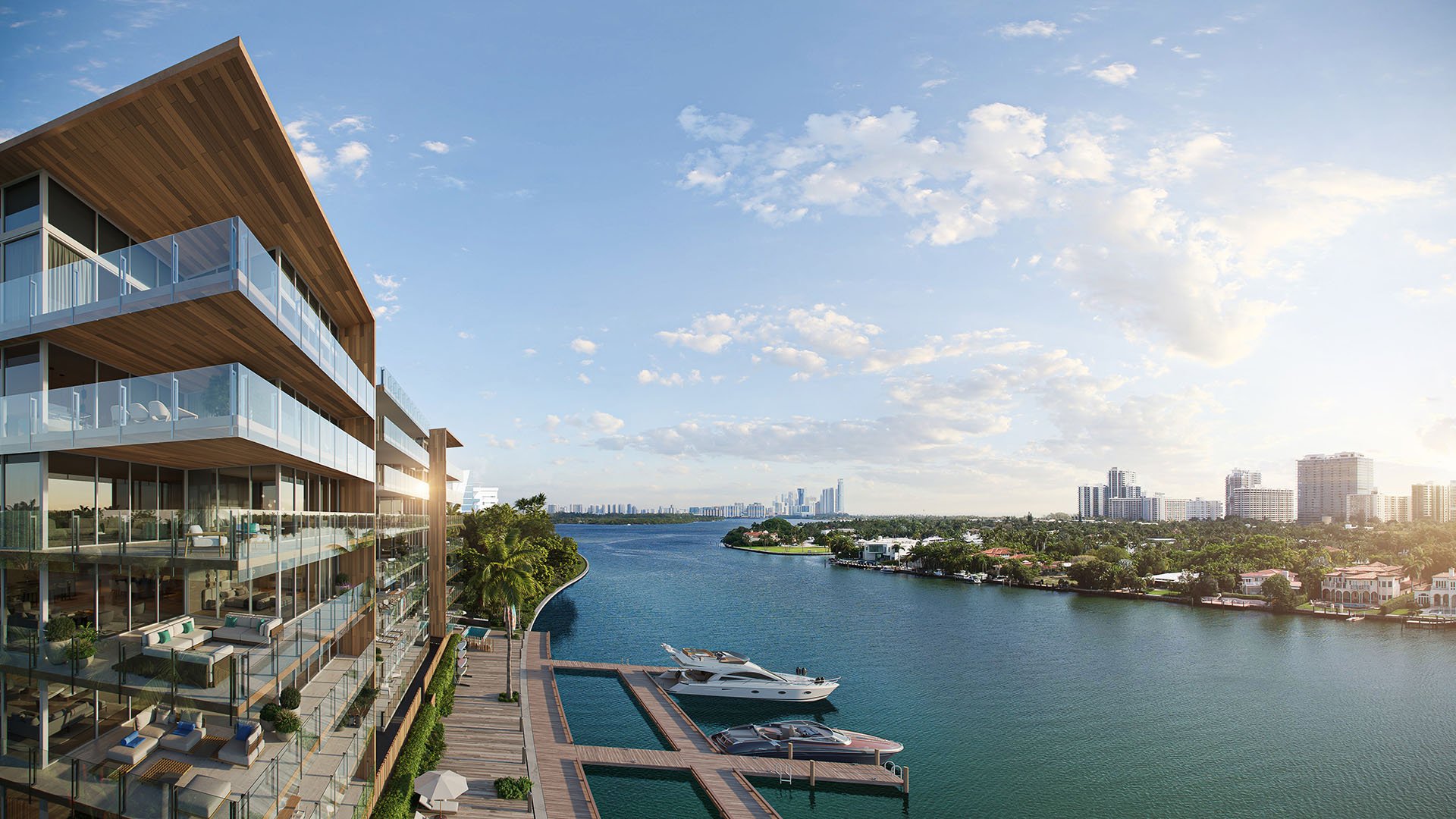
For a household coordinating medical equipment or recurring care, the most consequential luxury is dependable daily operation. At La Maré Bay Harbor Islands, a trust or LLC purchase calls for two parallel reviews: whether the proposed ownership arrangement is acceptable, and whether the specific residence can support the intended routine.
Neither review resolves the other. Approval of a purchaser does not establish caregiver parking rights, and a reference to a generator does not establish continuous power at a bedside outlet. Before the household relies on these arrangements, the buying decision should bring legal authority, building permissions, and practical access into alignment.
The goal is not to diminish the waterfront appeal. It is to make the operating arrangements as deliberate as the choice of residence.
Begin by confirming the intended collection, property address, and residence against the purchase documents. Request current completion and occupancy information rather than relying on an earlier construction milestone.
Every request should name the collection, address, and intended residence. Ask for the applicable condominium documents, parking provisions, operating rules, and emergency-system information. Do not assume that amenities, staffing arrangements, or access permissions apply across collections simply because they share a brand.
Apply the same discipline to a shortlist that includes Bay Harbor Towers. Compare each property's written answers rather than assuming proximity means equivalent ownership rules or emergency capabilities.
Confirm acceptance of a trust or LLC purchaser at La Maré through collection-specific documents and legal review. Do not treat either structure as approved in advance or assume the purchase process, required documentation, designated occupants, and voting arrangements are interchangeable.
Ask counsel to identify the documents required for the proposed purchaser and who is authorized to sign. Separately, ask how management would record the resident, receive instructions from an authorized representative, and process changes to caregiver access. Treat these as transaction questions, not established La Maré procedures.
The review should also address continuity. If the usual decision-maker becomes unavailable, what evidence would management require before accepting another person's instructions? Have counsel distinguish authority over the real estate from authority over health-care decisions; do not assume a health-care proxy resolves both.
Finally, do not choose an entity on the premise of guaranteed privacy. Have advisers explain the proposed structure's actual implications, and keep the building's operational contacts clear enough to support timely communication.
For a buyer relying on powered equipment, the useful question is not simply whether a generator exists. Request written confirmation of which systems and circuits receive backup power, whether any are inside the intended residence, and whether the proposed equipment location connects to a circuit receiving that power.
The technical inquiry should also cover transfer interruption, expected runtime under the stated load, elevator coverage, and operating limitations. Ask whether in-unit battery systems are permitted and what approval or installation conditions would apply. General generator language establishes none of these capabilities.
Give those answers to the equipment provider and treating care team to evaluate against the resident's needs. Review building documentation and a medically appropriate contingency plan together; neither substitutes for the other.
A caregiver's ability to enter the building and right to park require separate review. Request written answers on recurring registration, assigned-space use, overnight stays, substitute caregivers, and shift changes. If two caregivers may overlap, ask how both vehicles and both individuals would be accommodated during that interval.
Municipal parking requires its own inquiry. Confirm current permit eligibility, whether registration is tied to a license plate, and how vehicle changes would be handled. A municipal permit should not be treated as permission to use a condominium garage.
If a municipal garage is part of the proposed backup plan, verify its current access restrictions and availability during heavy rainfall or flooding. Do not rely on a past temporary parking arrangement as a standing fallback.
For buyers also considering Onda Bay Harbor, use the same caregiver schedule in the comparison. Evaluate the actual routine, not just a general description of guest access.
Emergency-access diligence should follow the route from the street to the unit. Ask management to explain after-hours entry, address and unit identification, controlled-door access, and the procedure for reaching the residence if the occupant cannot admit responders.
Elevators warrant particular attention: which, if any, operate during an outage, under what conditions, and how is responder access coordinated? Request the relevant emergency contacts and clarify who maintains current access instructions. These are requests for documentation, not assurances of response time or uninterrupted entry.
Ask how authorized household representatives can update essential contact information without circulating unnecessary medical details. Review the proposed arrangements with the care team and appropriate emergency-planning professionals. The residence's written access procedures should inform that planning, but they are not a promise of medical assistance.
Review the intended collection's amenity offering separately from its documented ability to support the household's care routine. Fitness and wellness amenities should not be treated as medical-support services, nor should any boat-slip offering be treated as an emergency transport or evacuation arrangement.
Keep waterfront enjoyment and emergency planning as separate purchase considerations, whether the wider search stays in Bay Harbor Islands or extends to Bal Harbour. Ask specifically how storm conditions could affect the household's access and contingency plans.
Before committing, assemble a collection-specific decision file: counsel's ownership review, written power-system answers, caregiver permissions, and responder-entry procedures. Identify unresolved points and have the relevant advisers assess them before treating the residence as suitable for the intended care routine. The strongest purchase decision aligns the setting with documented capabilities, not inferred assurances.
For a discreet conversation about your South Florida residence search, connect with MILLION.
If branded residences are on your mind — as a home or as an allocation — we would be glad to share what we are seeing, privately.
Begin a quiet conversationAcceptance should be confirmed through the specific collection's condominium documents and legal review. Do not assume approval or a uniform set of entity-document requirements.
Ownership rules, amenities, parking rights, and emergency systems should be confirmed for the intended collection. Do not assume another collection's arrangements apply.
Identify the collection, confirmed property address, and intended residence in every request. This helps keep ownership and operational answers tied to the correct property.
No; request current completion and occupancy information for the intended collection. An earlier milestone alone does not establish present readiness.
No; confirm whether the specific equipment outlet receives backup power and what interruptions or limitations apply. Have the equipment provider and care team evaluate the written details.
Request written confirmation of served circuits, transfer interruption, runtime, elevator coverage, and permitted in-unit battery systems. Have the equipment provider and care team assess those details against the resident's needs.
Confirm current eligibility with the town for the particular arrangement, including vehicle-registration requirements. Municipal permit eligibility does not establish condominium parking rights.
Confirm recurring registration, assigned-space use, overnight parking, substitute caregivers, and shift-change overlap. Check building entry permissions separately from vehicle permissions.
Ask about after-hours entry, unit identification, controlled doors, elevator operation during outages, and emergency contacts. These procedures do not establish a guaranteed response time.
Do not treat wellness amenities as documented medical-support services. Any boat-slip offering should be evaluated separately from emergency transport or evacuation planning.