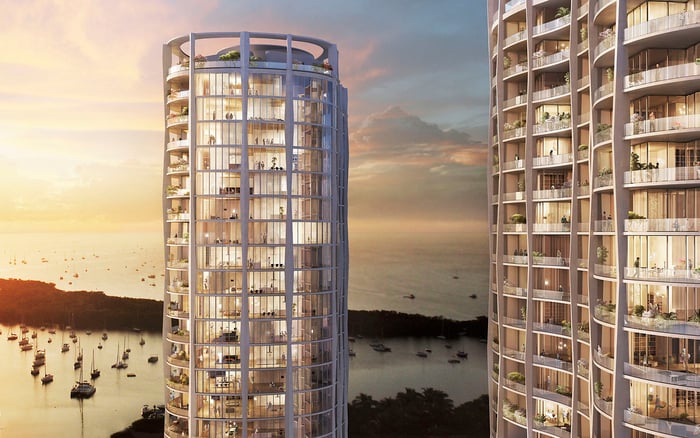
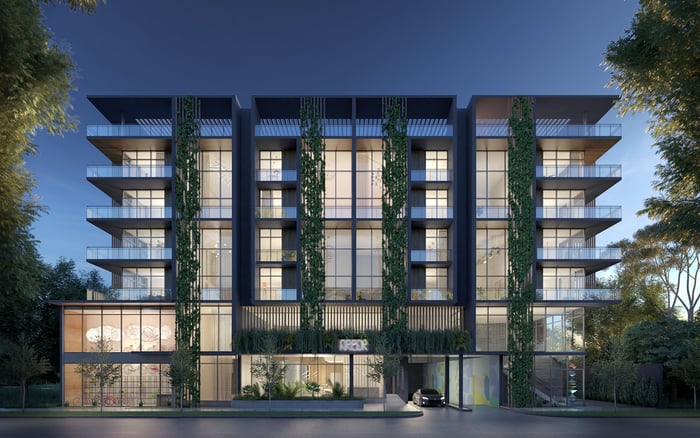
Vita at Grove Isle advertises in-unit water-leak detection. For buyers, the next step is to establish the actual sensor coverage, any automatic-shutoff capability, alert routing, and contractual damage-response arrangements before treating that feature as comprehensive protection.
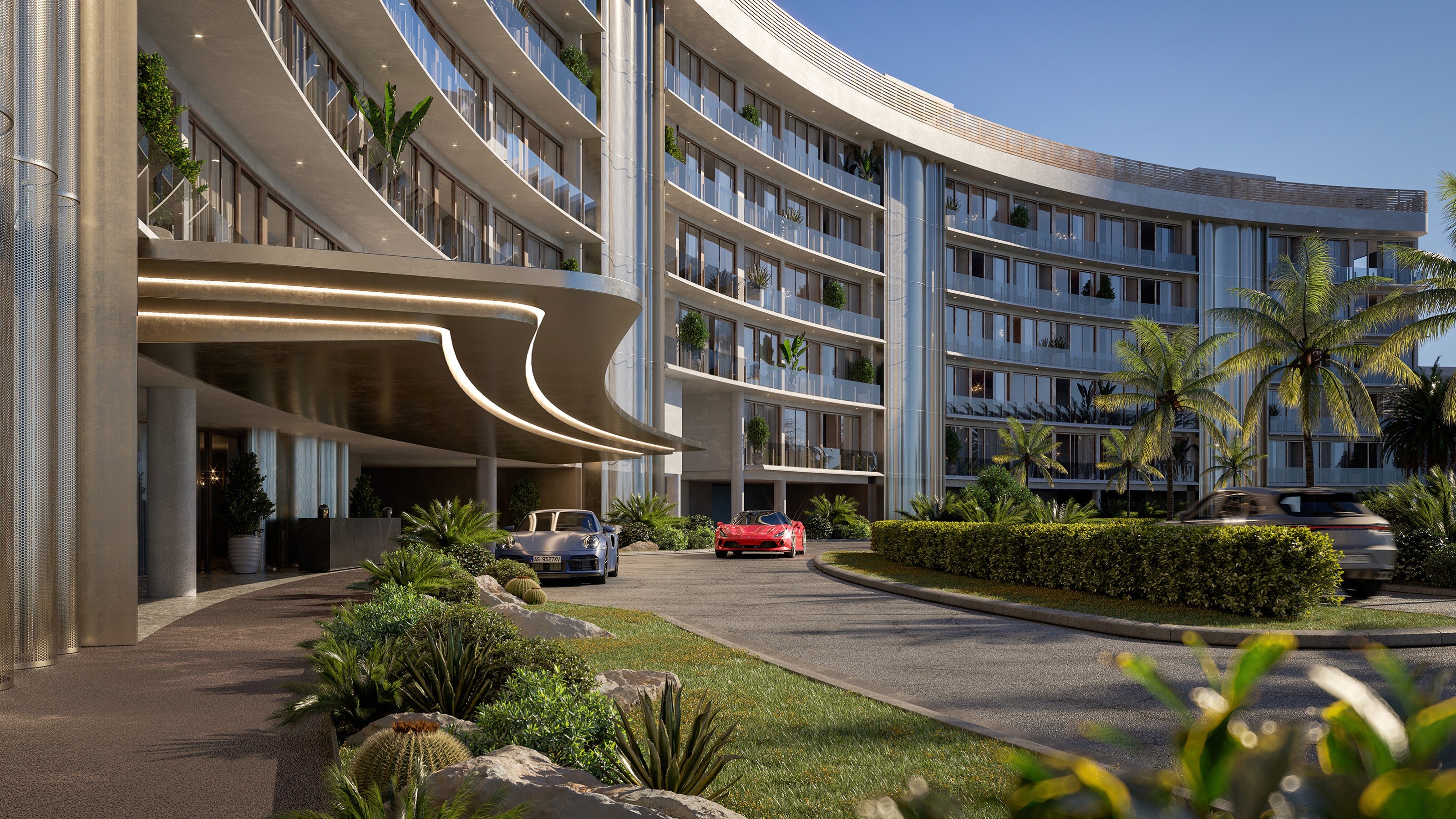
At Vita at Grove Isle, marketed as 65 waterfront residences on a private island in Coconut Grove, a buyer’s attention naturally extends beyond finishes to the systems that protect them. Water-leak detection belongs in that conversation, especially when a residence may be occupied intermittently.
The advertised specification includes a security system with water-leak detection. That is a meaningful starting point, but it does not establish whole-unit coverage, automatic shutoff, continuous monitoring, or guaranteed damage response. Those capabilities remain unverified-not proven absent.
The distinction matters: detecting water, stopping its supply, notifying someone, and securing emergency assistance are separate functions. A decision-grade review should connect them through unit-specific documentation, witnessed testing, and written responsibilities. A single feature description is not a complete protection strategy.
Begin with an equipment schedule and an as-built sensor map for the residence under consideration. Request the manufacturer, model, sensor count, exact locations, and an explicit description of areas without detection. The disclosed feature does not identify these details.
Ask that the map address bathrooms, laundry, kitchen equipment, water heaters, filtration connections, water-connected appliances, and HVAC condensate equipment. These are recommended inspection categories, not a statement that Vita has sensors in each location. The question is not simply whether the residence has leak detection, but which potential water-release locations the system is designed to cover.
The kitchen specification includes point-of-use water filtration, without establishing dedicated leak protection for that equipment. Listed equipment also includes in-residence water heaters with hot-water recirculation and a Miele appliance package with a built-in wine cooler. Equipment descriptions do not demonstrate sensor coverage; confirm the installation in the unit.
A marketed four-bedroom residence also includes variable-refrigerant-flow HVAC with multizone control. That detail should prompt a unit-specific condensate review, not an assumption about project-wide protection.
Automatic water shutoff is not confirmed at the fixture, residence, riser, or building-main level in the disclosed residence specifications. Buyers should request a written answer before assigning that capability any value in their purchase assessment.
If a shutoff system is represented as included, ask where the valve sits, which plumbing zone it isolates, and what remains supplied after closure. Fixture-level and residence-level interventions are not interchangeable. The specification should explain the activation rule, closure time, manual override, and reset procedure.
Also clarify any effect on shared or fire-protection services. Any demonstration should follow an approved procedure coordinated with the appropriate building personnel-not an improvised plumbing test.
For buyers also considering Park Grove Coconut Grove, the same questions provide a consistent comparison framework. This is a due-diligence standard, not a claim about either development’s installed systems.
The disclosed feature does not specify 24/7 monitoring, owner notifications, management notifications, or an after-hours recipient. An alarm should not be assumed to create a staffed response obligation.
Request a written notification sequence identifying the first recipient, the backup recipient, and what happens if neither acknowledges the alert. Clarify whether messages reach the owner, an authorized representative, management, or a contracted monitoring service. Establish who is responsible for keeping contact details current.
The specified pre-installed Crestron smart-home system controls lighting, audiovisual equipment, HVAC, and window treatments. That specification does not establish integration with leak sensors or plumbing shutoff valves. Request a system diagram and demonstration if such integration is represented as part of the residence.
A refined control interface is no substitute for a documented emergency workflow.
For an owner who travels, the most useful handover exercise is a witnessed, sensor-by-sensor demonstration. Request a dated record identifying each device tested, the alarm generated, the recipients notified, and any valve action demonstrated.
Where automatic shutoff is installed and authorized for testing, the demonstration should include closure and reopening, along with the manual override and reset process. Where shutoff is not part of the system, the record should distinguish detection performance from the separate arrangements for isolating water.
Request the commissioning record and recommended testing schedule, neither of which is established by the advertised feature. Confirm who will conduct future tests and maintain the equipment.
Buyers weighing Four Seasons Residences Coconut Grove can apply the same documentation standard without presuming equivalent technology or service arrangements.
The disclosed residence specifications do not establish a guaranteed emergency mitigation or restoration contract, a response-time commitment, or an emergency-work authorization procedure. Request any applicable agreements and management protocols separately from the equipment specification.
The review should address 24/7 dispatch, response targets, building access, and authority to proceed when the owner cannot be reached. Clarify whether a stated response time refers to dispatch, arrival, or commencement of work. These milestones are not interchangeable.
Examine pricing, insurance, subcontractor arrangements, and the scope of emergency work. Establish who can approve expenditure and what happens when immediate mitigation must precede a permanent repair decision.
Request an incident-documentation standard covering detection, acknowledgment, and isolation times; photographs; moisture readings; drying records; suspected cause; and permanent-repair recommendations. These are recommended contractual questions, not verified Vita service commitments or legal disclosure requirements.
Purchasers are directed to their Agreement and Offering Documents for the items included with a unit. The closing review should therefore reconcile represented protection features with signed unit specifications and those documents.
Request the equipment schedule, sensor map, commissioning records, management’s emergency protocol, and applicable monitoring and restoration agreements. Ask for available water-loss and insurance-claim records without assuming that such records exist or must be provided.
Any unresolved point should remain an open question, not become an implied benefit. Buyers considering The Well Coconut Grove alongside Vita can use the same closing-file framework without attributing unverified capabilities to either project.
A practical acceptance standard is straightforward: know where detection operates, what any valve can isolate, who receives an alert, and who can authorize and perform emergency work. Verify the represented functions through an approved demonstration and retain the records.
Vita’s advertised leak detection deserves consideration. Comprehensive protection, however, should be evaluated only to the extent that coverage and operational responsibilities are documented. The objective is not to demand an impossible guarantee against water damage, but to understand what protection is being purchased and how it will function when the owner is absent.
For a discreet approach to South Florida residential due diligence, explore MILLION.
If branded residences are on your mind — as a home or as an allocation — we would be glad to share what we are seeing, privately.
Begin a quiet conversationYes. The advertised residence specification includes a security system with water-leak detection.
Whole-unit coverage is not established by the disclosed feature description. Request a unit-specific sensor map identifying protected locations and uncovered areas.
The disclosed residences description does not confirm automatic shutoff at fixture, residence, riser, or building-main level. That capability remains unverified, not proven absent.
Request its location, protected plumbing zone, activation rule, closure time, manual override, and reset procedure. Clarify any effect on shared or fire-protection services.
The public feature description does not specify continuous monitoring or after-hours alert recipients. Request the applicable monitoring agreement and notification sequence.
The marketed Crestron functions include lighting, audiovisual equipment, HVAC, and window treatments. Integration with leak sensors or plumbing shutoff valves is not established.
Ask about filtration, water heaters, water-connected appliances, bathrooms, laundry, and HVAC condensate equipment in the actual residence. Their inclusion in an inspection scope does not mean sensor coverage is confirmed.
Request sensor-by-sensor alarm and notification testing, with a dated record. If automatic shutoff is installed and testing is authorized, include valve closure, reopening, and reset procedures.
The disclosed residences description does not establish a guaranteed mitigation or restoration contract. Review any applicable agreements for response targets, access, authorization, pricing, and insurance.
Review the Agreement and Offering Documents alongside signed unit specifications, sensor maps, commissioning records, and management protocols. Request applicable monitoring and restoration agreements and available water-loss records.