For Washington, D.C. buyers establishing a Surfside base, a considered purchase begins with sale-to-purchase sequencing, documented liquidity, and condominium diligence before an offer is made.

A South Florida base should create freedom, not a fragile dependency between two closings. For a Washington, D.C. owner considering Surfside, the central question is not simply which residence to acquire. It is whether the purchase can proceed comfortably before the Washington property sells-and what must be documented before an offer becomes a commitment.
A sound plan distinguishes wealth from accessible liquidity and anticipated sale proceeds. All three may ultimately support the same purchase, but they are not interchangeable at the negotiating table. Establish the sequence with your advisers before a compelling residence compresses the decision-making window.
Do not assume that Washington homes take longer to sell than Surfside residences. Build the schedule around your actual listing, contract terms, financing conditions, and available funds-not an unsupported comparison between the two markets.
First, decide whether the residence will be a primary home, a seasonal retreat, a second home, or a property intended for rental use. That decision should precede comparisons between boutique buildings and full-service towers. It also gives your Florida attorney, CPA, lender when applicable, and title or closing professionals a clear brief.
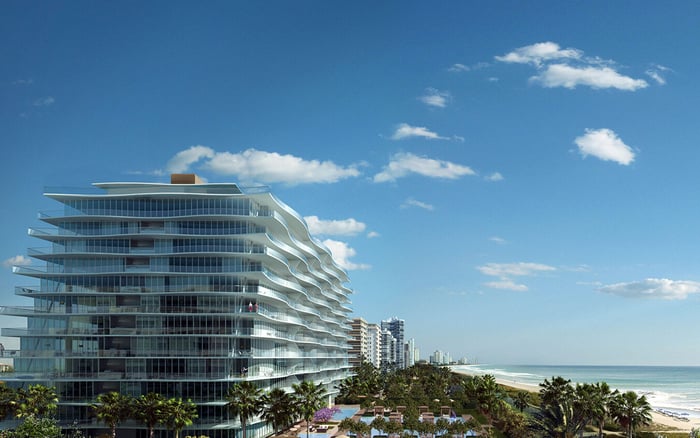
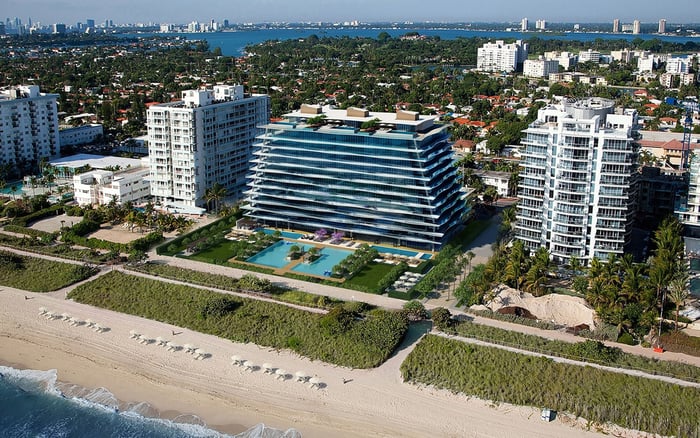
If Arte Surfside is on the shortlist, apply the same discipline you would to any candidate: confirm that the particular residence and its governing documents support your intended use before coordinating the purchase with a Washington sale.
The capital plan should distinguish what you need to acquire the property from what you want to retain afterward. Ask your advisers to work backward from a comfortable post-closing liquidity position. A purchase that fits your net worth can still demand an uncomfortable amount of immediately available cash.
Selling first and buying first are planning alternatives, not Surfside requirements. Each resolves one uncertainty while leaving another to manage.
Sell first.
Completing the Washington sale before purchasing turns projected proceeds into a known funding source. It can clarify the acquisition budget and reduce reliance on interim borrowing. The practical trade-off is flexibility: consider where you would stay and how you would search if the right Surfside residence were unavailable when the sale closed.
Buy first.
Purchasing before selling can separate the property search from the Washington sale. It requires a credible funding plan that does not depend on an assumed sale date. Before committing, ask your advisers to test a longer overlap, lower net sale proceeds, and the combined carrying budget.
Coordinate the closings.
Closely aligned transactions may be worth exploring, but matching target dates does not eliminate funding dependencies. Have counsel identify which obligations depend on the other transaction and what contractual protections, if any, are appropriate. A calendar is not a substitute for available money.
Bridge financing, a HELOC, or a pledged-asset loan may be worth considering when assets are substantial but purchase cash is not yet available. Evaluate the structure with your Florida attorney, lender, and CPA. The product name alone is no assurance that funds will arrive on time.
For each proposed facility, clarify the amount actually available, conditions remaining before access, expected funding date, costs, collateral obligations, and repayment plan. Resolve these questions with the provider rather than relying on another buyer's experience.
If the search includes Fendi Château Residences Surfside, keep the residence decision and borrowing decision connected but distinct. A strong preference for a property should not determine whether a financing structure is suitable.
Establish the fallback as well. If Washington sale proceeds are expected to repay interim borrowing, ask what happens if the sale is delayed or produces less cash than planned. The objective is a purchase you can sustain, not merely one you can close.
Prepare proof of funds and any financing preapproval before pursuing a suitable unit. Recent bank statements, brokerage statements, or bank letters are potential forms of evidence. Confirm which documentation is appropriate for the proposed transaction; do not assume these documents will be accepted interchangeably.
An expected home-sale profit is not currently available cash. Financing preapproval is not proof that the entire purchase price is liquid. If the offer depends on borrowing, identify that dependency clearly and have the lender explain the remaining conditions.
For an entity or trust purchase, documentation establishing control may also be needed. Coordinate the proposed purchaser's name, ownership structure, and funding evidence with counsel and the closing team early.
A buyer considering The Surf Club Four Seasons Surfside should reach the offer stage with organized documentation, not merely a strong balance sheet. Keep the evidence aligned with the actual funding plan, and confirm whether it will need updating as the transaction progresses.
Liquidity planning is incomplete without building-level diligence. Request the Structural Integrity Reserve Study, latest milestone inspection, board minutes, and current reserve balance before making an offer. Investigate pending repairs and special assessments early enough for the findings to inform price and proposed contingencies.
Association finances and pending assessments can materially affect carrying costs. Account for them in the purchase budget rather than allocating every available dollar to the acquisition. Ask counsel to advise on applicable document-review rights and contract protections; document review is not a substitute for a negotiated financing contingency.
For a candidate at Ocean House Surfside, establish which documents and financial obligations apply to the particular offering. A project name alone does not establish transaction terms. Keep the review specific to the residence, association, and contract under consideration.
Surfside's luxury transaction series recorded 39 closings averaging approximately $3.5 million and $1,293 per square foot in the rolling year through July 2026. These are segment-specific averages, not townwide medians. Active listings in the same market snapshot asked approximately $1,523 per square foot-a different measure from completed sales.
That distinction matters when estimating how much capital to reserve. An asking-price average does not establish the closing value of a particular residence, and the gap between the two averages is not an automatic discount. Use residence-specific comparisons alongside the building's financial condition and your intended holding period.
Before authorizing an offer, align four items: the Washington sale strategy, the funds available for purchase, the evidence supporting those funds, and the condominium's financial obligations. That preparation allows decisiveness without confusing urgency with readiness.
For a considered approach to establishing your Surfside base, explore MILLION.
If branded residences are on your mind — as a home or as an allocation — we would be glad to share what we are seeing, privately.
Begin a quiet conversationSelling first makes net sale proceeds a known funding source, while buying first requires a funding plan independent of an assumed sale date. Choose the sequence around your liquidity and tolerance for overlap.
No. Plan around the particular property's listing, contract terms, and closing conditions rather than assuming one market moves more slowly than the other.
Bridge financing, a HELOC, and a pledged-asset loan are options to evaluate with your lender, Florida attorney, and CPA. Availability and terms must be established for your circumstances.
Prepare it before pursuing a suitable residence, alongside any financing preapproval. Confirm whether updated documentation will be needed as the transaction advances.
Recent bank statements, brokerage statements, and bank letters are potential forms of evidence. Confirm which documentation is appropriate for the transaction.
Expected sale proceeds are not currently available cash. Keep them separate from liquid funds and conditional financing in your purchase plan.
Documentation establishing control may be needed. Coordinate the purchaser's identity, ownership structure, and funding evidence with counsel and the closing team.
Request the Structural Integrity Reserve Study, latest milestone inspection, board minutes, and current reserve balance. Investigate pending repairs and special assessments as part of the same review.
Association finances and pending assessments can materially affect carrying costs. Incorporate those obligations into the budget instead of reserving funds only for the purchase price.
No. It reflects 39 closings in a specific luxury series for the rolling year through July 2026, not a townwide median or a valuation for an individual residence.