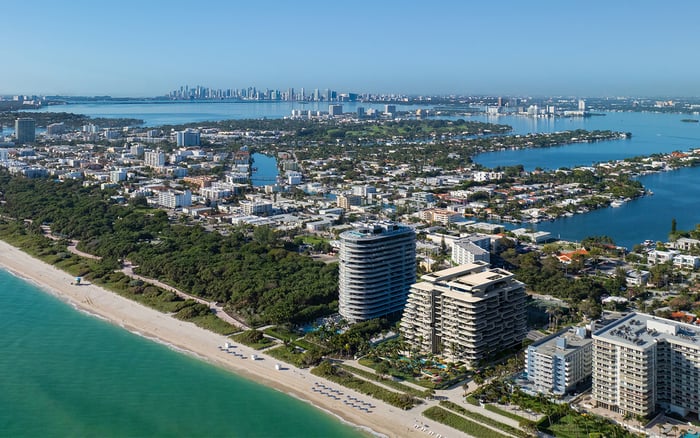
A discreet buyer’s guide to evaluating a move from San Francisco to Surfside, with emphasis on residency planning, coastal due diligence, privacy, lifestyle fit, and South Florida’s luxury ownership mindset.
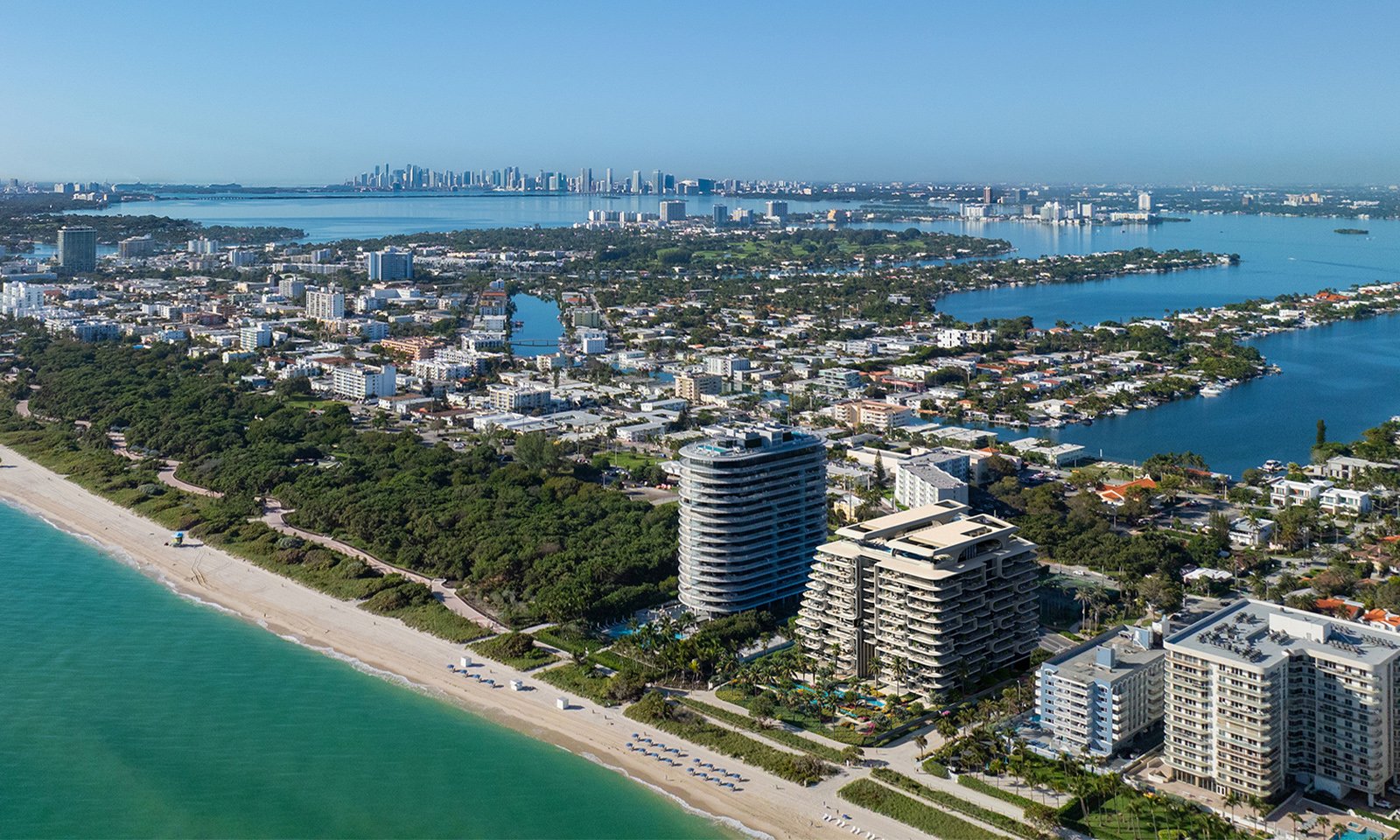
For the San Francisco buyer, South Florida is not simply a warmer address. It is a different operating system for daily life, capital allocation, family logistics, and privacy. The move from a Pacific tech-and-finance culture to Surfside’s Atlantic calm may begin as a tax or lifestyle conversation, but it quickly becomes more nuanced: where does wealth feel secure, functional, and elegant over the next decade?
Surfside has become a natural point of study because it offers a quieter expression of Miami coastal life. It sits close to the energy of Miami Beach and Bal Harbour, yet its residential rhythm feels more measured. For buyers accustomed to San Francisco’s layered neighborhoods, architectural restraint, and private networks of influence, Surfside’s appeal lies in discretion rather than spectacle.
That does not mean every West Coast buyer should default to the sand. The most sophisticated relocations begin with a clear brief: primary residence or second home, legacy asset or flexible pied-à-terre, school-year base or seasonal retreat, oceanfront exposure or protected bayfront calm. The answer determines not just the building, but the way the purchase should be structured, insured, financed, and maintained.
Surfside attracts buyers who want proximity without constant performance. The neighborhood’s luxury market is defined less by density than by selectivity, privacy, and the emotional value of being close to the ocean. In that context, properties such as The Delmore Surfside speak to buyers who want new design, refined residential scale, and a setting that feels residential first.
For San Francisco households, the comparison is not only price per square foot or view corridor. It is also how the home lives. Do elevators feel private? Is arrival intuitive? Are terraces usable throughout the day? Does the building support staff, wellness, guests, security, and extended family without friction? These questions matter because buyers leaving established West Coast ecosystems often want their next residence to reduce complexity.
Surfside also appeals to those who prefer a lower social temperature than South Beach, while still remaining within reach of dining, schools, airports, marinas, medical care, and cultural events. That balance can be powerful for founders, investors, family offices, and retirees who want a coastal home without a resort-like public atmosphere.
A South Florida purchase should be romantic in vision and exacting in process. Coastal ownership calls for a rigorous review of building systems, maintenance culture, insurance, reserves, governance, and long-term capital planning. This is especially important for buyers moving from single-family homes or boutique condominiums in San Francisco, where climate, construction norms, and association practices may differ.
In Surfside, the emotional pull of the Atlantic must be paired with a careful reading of the building. Buyers should understand how the association operates, what major systems have been addressed, how the property manages wind and water exposure, and whether the staffing model aligns with their expectations. The best purchase is not always the most dramatic view. It is the one where beauty, stewardship, and governance are in balance.
New construction can simplify certain questions, but it does not eliminate due diligence. A new residence still requires scrutiny of delivery standards, warranty language, amenity operations, service costs, and future resale positioning. A building like Ocean House Surfside may appeal to buyers seeking a fresh residential environment, but the decision should still be evaluated through a long-hold lens.
A move into South Florida should be mapped across lifestyle corridors. Surfside is one answer, not the only answer. Bal Harbour may suit buyers who want a highly polished village atmosphere and immediate access to luxury retail. Miami Beach can offer a broader spectrum of architecture, culture, and nightlife. Brickell is a more urban proposition, often favored by buyers who want finance, restaurants, and a vertical city rhythm.
That comparison is useful because San Francisco buyers often arrive with a familiar urban reflex: walkability, access, restaurants, and a strong professional network. For those who want that energy, The Residences at 1428 Brickell offers a very different premise from Surfside: more metropolitan and business-oriented, with the city at the doorstep rather than the ocean as the central ritual.
The right choice may also be a hybrid. Some buyers prefer an oceanfront residence in Surfside and a smaller urban base for work or guests. Others choose one primary home that can absorb every mode of life: board calls, visiting family, private dining, wellness, and long weekends. The strategic question is whether the residence should be a sanctuary, a command center, or both.
For wealth migrating into South Florida, value is increasingly tied to privacy and service rather than size alone. A large residence can still feel inefficient if the arrival sequence is public, the amenities are overused, or the staff cannot support the owner’s rhythm. Conversely, a more restrained home can feel exceptional if the building is calm, secure, and flawlessly managed.
This is where Surfside’s boutique character matters. Buyers should look closely at how many residences share each amenity, how service requests are handled, how parking and valet function during peak periods, and whether private dining, wellness, beach service, and guest access feel effortless. The goal is not abundance for its own sake. The goal is controlled ease.
Legacy buildings such as Fendi Château Residences Surfside may resonate with buyers who prefer a branded design language and an established coastal address. Others may be drawn to architecture that feels more contemporary, quiet, or residential. Either way, the building’s culture is as important as its finishes.
A relocation conversation should begin before the property search, not after. Buyers should coordinate legal, tax, estate, insurance, and family office advice early so the real estate brief reflects the household’s actual plans. The questions are practical: where will the family spend most of the year, where will children attend school, where are business interests managed, and how should the home be owned?
The residence itself can support that planning. A true primary home may need larger storage, office privacy, staff efficiency, pet comfort, and guest separation. A second home can be more concentrated around views, hotel-style service, and lock-and-leave confidence. A multi-generational purchase may require bedrooms that feel equal, elevator convenience, and common spaces that work for both quiet mornings and holiday gatherings.
San Francisco buyers often bring high expectations around design and technology. In South Florida, those expectations should expand to include hurricane readiness, elevator reliability, garage elevation, generator capacity, drainage, building envelope performance, and the professionalism of management. The best homes make these technical matters invisible, but never optional.
Before writing an offer, buyers should pressure-test the purchase across three dimensions: lifestyle fit, structural confidence, and exit logic. Lifestyle fit asks whether the home will actually be used the way the buyer imagines. Structural confidence asks whether the building and association are prepared for coastal ownership. Exit logic asks who the next buyer might be and why the property will remain desirable.
In Surfside, scarcity and privacy can support long-term appeal, but each asset must stand on its own merits. Floor plan, exposure, terrace depth, ceiling height, service quality, and building governance all matter. A beautiful residence with weak operations can disappoint. A quiet building with excellent stewardship can become a family’s most treasured base.
For buyers comparing the broader coastline, Arte Surfside offers another Surfside reference point, particularly for those studying boutique scale and architectural identity. The most intelligent approach is to tour slowly, revisit at different times of day, and evaluate not only what the residence shows, but how it behaves.
Is Surfside a good fit for buyers relocating from San Francisco? It can be, especially for buyers who value privacy, coastal living, and a quieter residential setting near Miami’s core luxury corridors.
Should I choose Surfside or Brickell? Surfside is more sanctuary-driven, while Brickell is more urban and business-oriented. The right choice depends on whether the home should calm the day or connect you to the city.
What should I review before buying a coastal condominium? Review insurance, reserves, maintenance history, governance, building systems, and service operations. Coastal beauty should always be paired with operational discipline.
Is new construction automatically the safer choice? Not automatically. New construction can offer modern systems and design, but buyers should still examine delivery quality, warranties, costs, and long-term positioning.
How important is privacy in Surfside? Very important for many buyers. Arrival sequence, elevator configuration, staffing, beach access, and amenity density can shape the daily experience.
Can Surfside work as a second-home market? Yes, for buyers who want a lock-and-leave coastal residence with strong service. The best fit depends on travel patterns, guest use, and maintenance expectations.
How does Bal Harbour compare with Surfside? Bal Harbour may feel more polished and retail-adjacent, while Surfside is often perceived as quieter and more residential. Many buyers study both before deciding.
Should I prioritize oceanfront views or building quality? Ideally both, but building quality should not be compromised. A spectacular view is most valuable when supported by strong management and durable systems.
What makes Miami Beach different from Surfside? Miami Beach offers a wider range of energy, architecture, and nightlife. Surfside tends to appeal to buyers seeking a more discreet coastal rhythm.
When should I assemble advisors for a relocation purchase? Before touring seriously. Legal, tax, insurance, and real estate guidance should shape the search so the residence fits the broader plan.
To compare the best-fit options with clarity, connect with MILLION.
If branded residences are on your mind — as a home or as an allocation — we would be glad to share what we are seeing, privately.
Begin a quiet conversation