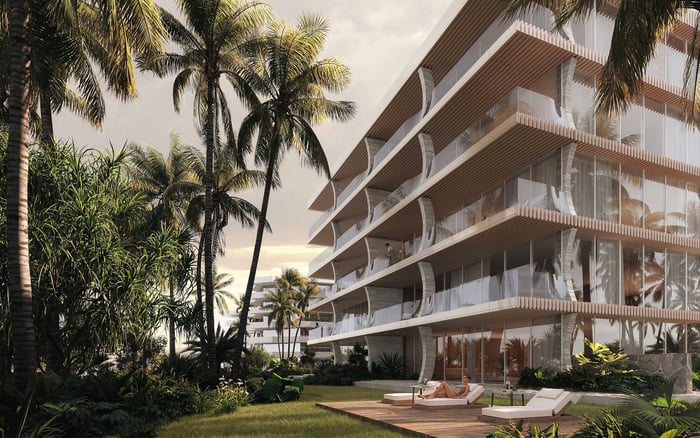
A discreet buyer’s guide to approaching primary-residence conversion from San Francisco to Palm Beach, with emphasis on life patterns, documentation, advisory coordination, and property fit.

For San Francisco buyers considering a move to Palm Beach, primary-residence conversion is not merely a change of mailing address. It is a shift in where life is organized: family routines, advisory relationships, financial records, healthcare, club life, philanthropy, school calendars, and the ordinary habits that make a residence feel authentic.
The strongest conversions begin before a contract is signed. A buyer should approach the decision as both a lifestyle move and a governance exercise, guided by tax, legal, estate, and financial professionals who understand the household’s full picture. The home itself matters deeply, but so does the pattern of use around it. A Palm Beach address that remains largely symbolic may not serve the same purpose as a residence that becomes the true base of daily life.
This perspective is intentionally practical. It is not legal or tax advice. It is a framework for affluent households that want to move with discretion, preserve optionality, and choose a property that supports a durable residential narrative.
A primary residence should be selected around a realistic calendar. Many San Francisco buyers begin with the glamour of Palm Beach, then refine their search by asking how often they expect to be in South Florida, who will travel with them, what family obligations remain elsewhere, and whether the property must support remote work, entertaining, wellness, or multigenerational stays.
Palm Beach offers an established residential rhythm, with privacy, architecture, clubs, dining, and an understated sense of arrival. Buyers who want a lock-and-leave condominium environment may look at Palm Beach Residences as part of a broader search for simplicity and service. Others may prefer a house, a larger estate setting, or proximity to a particular stretch of the island.
The important point is consistency. A primary-residence conversion is more credible when the property’s design matches the way the owner actually intends to live. A couple planning frequent hosting may need different space than an executive seeking calm, privacy, and a compact household footprint. A family with pets, staff, school considerations, or aging parents may require yet another solution.
Buyers often focus on paperwork first. In practice, paperwork should reflect a genuine change in behavior. Identity records, household services, healthcare relationships, professional arrangements, banking, insurance, personal effects, and day-to-day spending patterns may all become part of the broader residential story.
Before closing, assemble an advisory group and create a timeline. Some households can transition quickly, while others need a staged plan because of business interests, children, legacy property holdings, or philanthropic commitments. A rushed conversion can create internal contradictions. A thoughtful conversion builds a coherent record over time.
The discipline is simple: do not treat primary residence as a label. Treat it as a life pattern. If the Palm Beach home is to be the anchor, calendars, services, and decisions should gradually align around that anchor. That may include where important documents are kept, where family meetings occur, where physicians are engaged, where cars are garaged, and where the owner expects to be found during ordinary weeks.
Not every buyer who says “Palm Beach” should buy on the island. The region offers several versions of luxury, each with a different daily texture.
Palm Beach is for buyers who value heritage, privacy, walkable rituals, beach proximity, and a social rhythm that can be both formal and discreet. West Palm Beach has become increasingly relevant for buyers who want new residential product, cultural access, dining, aviation convenience, and proximity to the island without the same residential posture. In that context, South Flagler House West Palm Beach may appeal to buyers who want a polished waterfront setting on the mainland side of the market.
West Palm Beach can also suit buyers who expect more frequent movement between home, office, airport, and dinner. A residence such as Alba West Palm Beach belongs in the conversation for those who want a modern condominium lifestyle in a city environment rather than a purely island-based experience.
Boca Raton, by contrast, may suit households prioritizing schools, clubs, larger family routines, and a quieter sense of permanence. The Residences at Mandarin Oriental Boca Raton can be considered by buyers who want branded service within a more residential South Florida setting.
A primary home should not fight the owner’s life. If the buyer expects to spend long stretches in South Florida, the residence needs enough storage, comfort, privacy, and operational support to feel complete. If the buyer expects visiting children, advisors, friends, or staff, the plan should account for those realities. If health, fitness, and recovery are central to the move, the building’s wellness environment should be assessed with the same seriousness as finishes or views.
Architecture is part of the analysis, but so is service. A household accustomed to San Francisco privacy may want a building with controlled access and quiet circulation. Another buyer may prefer a residence that feels socially connected and easy to maintain. In either case, the home should make the new pattern of life simpler, not more performative.
For investment-minded buyers, the key is to separate personal-use logic from portfolio logic. A primary residence may still be an important asset, but its first job is to house a life convincingly. Resale, rental flexibility, and market depth matter, yet they should not override the practical question: can this home become the daily center of gravity?
Primary-residence conversion is rarely an isolated event. It may coincide with a business sale, liquidity event, retirement planning, estate planning, marriage, divorce, children leaving home, or a broader family office reorganization. The purchase should be timed in relation to those changes, not treated as a decorative afterthought.
A measured transition can also reduce friction. Some buyers retain a San Francisco residence during an initial period, while others sell, lease, or simplify holdings elsewhere. The right approach depends on advice from qualified professionals and the household’s facts. What matters is internal consistency. If South Florida is becoming home, the buyer’s calendar, records, and domestic infrastructure should say the same thing.
Discretion also matters. High-net-worth relocations can attract attention from neighbors, service providers, advisors, and counterparties. Choose a property team that understands privacy, communicates efficiently, and does not turn a serious residential decision into a public performance.
The strongest San Francisco-to-Palm Beach transitions are coordinated across disciplines. Real estate advisors identify viable homes. Legal and tax professionals assess residency implications. Estate advisors review trusts and ownership structures. Insurance specialists evaluate household risk. Family office teams update records, budgets, vendors, and protocols.
This coordination should happen before emotional momentum takes over. Once a buyer falls in love with a view, a garden, or a penthouse terrace, practical questions can feel secondary. They are not. The finest home in Palm Beach is the wrong choice if it cannot support the buyer’s intended residential position.
Second-home habits are comfortable, but primary-residence habits are different. They require commitment, repetition, and evidence in ordinary life. For buyers leaving San Francisco, the opportunity is not only to acquire a beautiful South Florida property. It is to design a more efficient, private, and enjoyable base for the next chapter.
Is buying in Palm Beach enough to establish a primary residence? No. A purchase can support the transition, but the broader pattern of life should align with the intended primary-residence position.
Should I consult advisors before making an offer? Yes. Legal, tax, estate, and financial advisors should be engaged early so the property strategy fits the household’s wider plan.
Can I keep my San Francisco home during the transition? Some buyers do, but the implications depend on individual facts. Advisors should review how retained property fits the overall residency narrative.
Is Palm Beach better than West Palm Beach for conversion? Neither is universally better. Palm Beach offers an island lifestyle, while West Palm Beach may offer convenience, newer product, and a different urban rhythm.
Where does Boca Raton fit into the decision? Boca Raton can suit buyers seeking a family-oriented, club-centered, or more residential South Florida routine.
Should the home be owned personally or through an entity? Ownership structure is a professional-advice question. It should be reviewed in light of privacy, estate planning, financing, and personal-use objectives.
Do service and amenities matter for primary-residence planning? Yes. A home that functions smoothly encourages consistent use, which is central to making the residence feel genuine.
What mistakes do relocating buyers make? Common mistakes include choosing for views alone, delaying advisory input, and underestimating the importance of daily routines.
Can a condominium work as a primary residence? Yes, if it supports the buyer’s real lifestyle. Storage, privacy, guest space, wellness, parking, and service should be evaluated carefully.
How should I begin the process? Start with a realistic calendar, assemble advisors, define the household’s needs, and then compare properties against that plan.
If you'd like a private walkthrough and a curated shortlist, connect with MILLION.
If branded residences are on your mind — as a home or as an allocation — we would be glad to share what we are seeing, privately.
Begin a quiet conversation