For luxury buyers planning Florida domicile, valet capacity is not a minor convenience. It is a daily-use test of whether a South Florida residence can support real patterns of arrival, guests, staff, seasonal vehicles, and privacy.
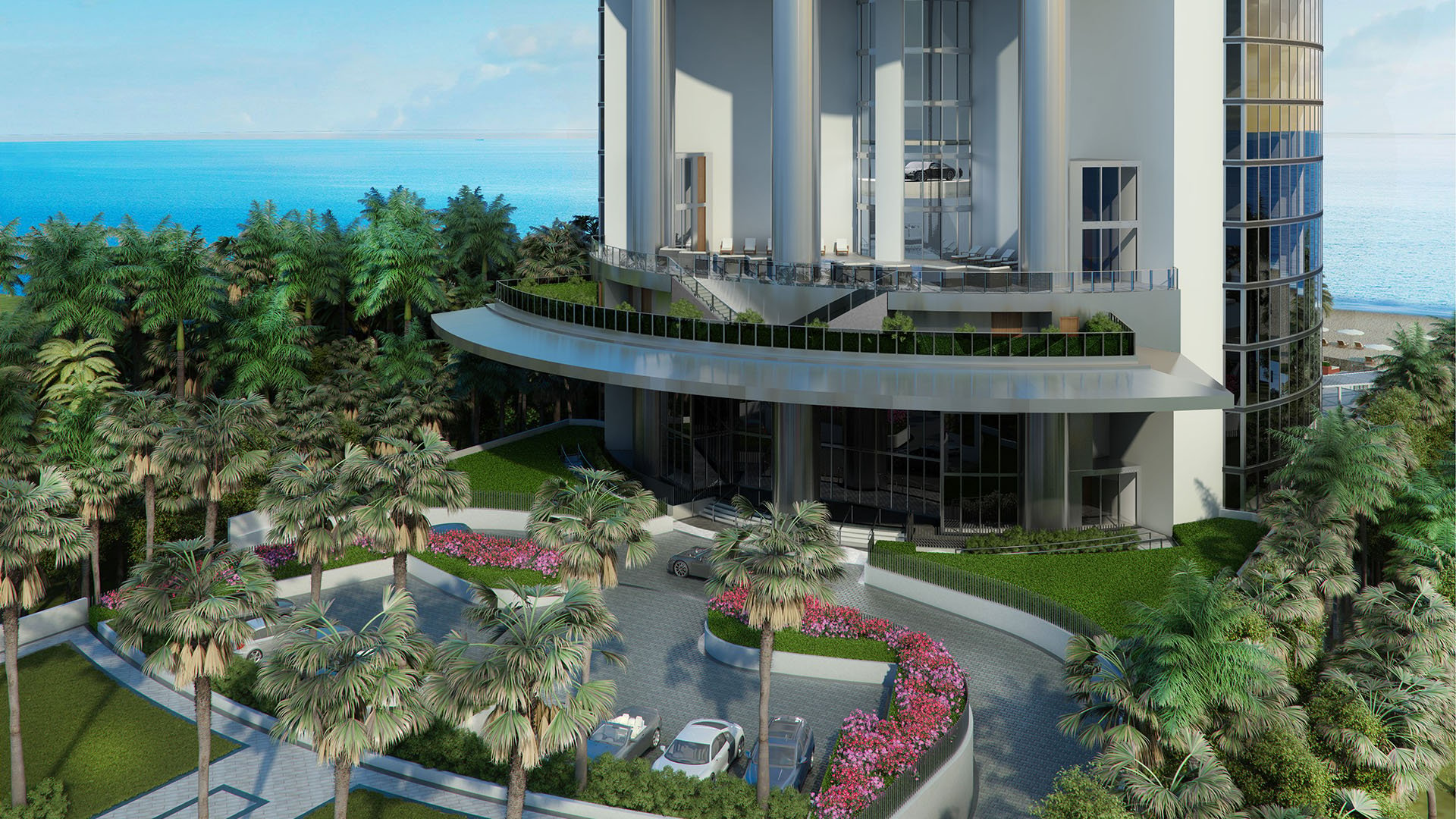
For buyers planning Florida domicile, the residence is not simply a place to visit between seasons. It becomes the address around which routines, vehicles, guests, service providers, medical appointments, school runs, airport transfers, and social calendars begin to organize. In that context, valet capacity is not a soft amenity. It is part of the building’s operating infrastructure.
South Florida luxury real estate often sells through views, finishes, wellness programming, and brand association. Those elements matter, but the first and last experience of daily life is frequently the arrival sequence. If the porte cochère feels strained at peak hours, if vehicle retrieval is inconsistent, or if guest arrivals compete with residents returning from dinner, the friction becomes personal. For a second-home owner, that may be an occasional irritation. For a buyer making a Florida domicile plan, it can become a recurring lifestyle defect.
That is why valet capacity belongs in diligence before signing, especially in dense urban and waterfront markets where private garages, limited curb space, and full-service staffing all intersect.
The essential question is simple: can the building handle the way you actually live? A buyer with one vehicle and limited entertaining has a different profile from a household with multiple drivers, frequent guests, private security, chauffeurs, visiting family, and seasonal storage needs. The sales presentation may describe service, but the buyer should understand the service model.
Ask how many vehicles can be staged without blocking circulation. Ask where guests wait, where deliveries are separated from resident arrivals, and how the team handles simultaneous demands after dinner hours, holiday weekends, school breaks, and major events. A polished answer should describe a system, not merely enthusiasm.
In Brickell, where the residential day often overlaps with office traffic, restaurants, fitness appointments, and airport movements, arrival design can be especially important. A buyer comparing urban towers such as The Residences at 1428 Brickell or Cipriani Residences Brickell should think beyond the number of parking spaces and focus on the choreography of movement.
Domicile planning tends to bring hidden lifestyle questions to the surface. How many cars will remain in Florida full time? Will family members keep vehicles in multiple cities? Will household staff need predictable access? Will guests arrive during high-season evenings? Will a driver be expected to wait discreetly on site?
These questions are not glamorous, but they are central to luxury comfort. A residence can have a spectacular terrace and still become frustrating if every departure requires negotiation. A building can have gracious interiors and still feel poorly matched to a household that needs discretion for frequent arrivals. Lifestyle is measured in small repetitions, and the valet podium is one of the places where those repetitions become visible.
For Miami Beach buyers, this issue has another dimension: social cadence. Even when the residence is serene, the surrounding city can bring restaurant reservations, beach traffic, event nights, and visiting guests into the same window of time. In a building such as The Perigon Miami Beach, a buyer’s review should include how the property is expected to manage resident privacy, guest arrival, and vehicle flow in a setting where lifestyle demand can cluster quickly.
Ultra-premium buyers often own more than one vehicle, but the sharper issue is not collection size alone. It is vehicle behavior. Some cars are daily drivers. Some are weekend cars. Some are chauffeur-driven. Some are rarely used but still need secure access. Some family members may want self-parking, while others prefer full valet. The right building makes those preferences feel effortless.
Before signing, buyers should request clarity on resident parking rights, guest parking practices, overflow procedures, electric-vehicle accommodations if relevant, and any restrictions that affect long-term storage or oversized vehicles. They should also review the condominium documents and operating rules with counsel. The goal is not to find a building with no rules. The goal is to find rules that fit the household’s pattern.
In Sunny Isles Beach, where residential towers are often evaluated through the language of oceanfront privacy and elevated service, the arrival experience still deserves careful scrutiny. A residence such as The Ritz-Carlton Residences® Sunny Isles may appeal to buyers seeking a refined coastal address, but even the most serene setting should be assessed through daily logistics.
Fort Lauderdale buyers often bring a broader mobility profile: cars, boats, visiting friends, service teams, and airport movements can all be part of the same week. The question is whether the building’s arrival system feels composed when multiple forms of movement intersect.
For those considering St. Regis® Residences Bahia Mar Fort Lauderdale, diligence should look at the full arrival environment, not just the residence itself. How will residents, guests, and service providers be separated? Where does waiting occur? What happens when the household calendar is full and the building is also active?
The answer matters because valet capacity is ultimately about privacy. A strained arrival court exposes the resident to delay, visibility, and improvisation. A well-managed one allows life to unfold without ceremony.
A sophisticated buyer should make valet capacity part of the same review as views, floor plan, building financials, and association rules. Visit at different times if possible. Observe whether the arrival feels calm or compressed. Ask direct questions about staffing, peak-time management, guest handling, and vehicle retrieval expectations. Confirm whether the service model is built for full-time residents or primarily for occasional use.
Also consider resale. Future buyers planning Florida domicile may ask the same questions. A building with elegant arrival infrastructure can feel more livable, especially for households moving from estates, townhouses, or private-garage residences into a managed condominium environment.
The most desirable South Florida addresses are not only beautiful; they are operationally intelligent. For domicile-minded buyers, that intelligence begins at the curb.
Why should valet capacity matter to a Florida domicile buyer? Because the residence may become the buyer’s daily base, making arrival, departure, guest access, and vehicle retrieval part of everyday comfort.
Is valet capacity more important in a condominium than in a single-family home? Often, yes. A condominium relies on shared arrival infrastructure, staffing, rules, and circulation, while a single-family home may offer more private control.
What should I ask the sales team about valet service? Ask how peak periods are handled, where cars are staged, how guests are managed, and what rules apply to resident vehicles.
Should I review parking rules before signing a contract? Yes. Parking rights, guest access, vehicle size limits, and storage practices can affect daily use and should be reviewed with counsel.
Does valet capacity affect privacy? It can. A calm, well-managed arrival sequence reduces waiting, exposure, and unnecessary interaction at the building entrance.
How does Brickell differ from quieter residential markets? Brickell can involve more urban movement, with residents, guests, restaurants, offices, and transportation needs often overlapping.
Is Miami Beach valet diligence different from other areas? It can be. Social activity, event traffic, and guest arrivals may cluster during desirable evening and weekend periods.
What should Sunny Isles Beach buyers consider? They should look beyond oceanfront appeal and evaluate how efficiently the building manages resident vehicles, guests, and service access.
Why is Fort Lauderdale unique for some buyers? Fort Lauderdale households may combine car use, boating, airport transfers, guests, and service providers within the same weekly rhythm.
Can valet capacity influence resale appeal? Yes. Future buyers seeking full-time South Florida living may value a building that feels composed and efficient from the moment they arrive.
To compare the best-fit options with clarity, connect with MILLION.
If branded residences are on your mind — as a home or as an allocation — we would be glad to share what we are seeing, privately.
Begin a quiet conversation