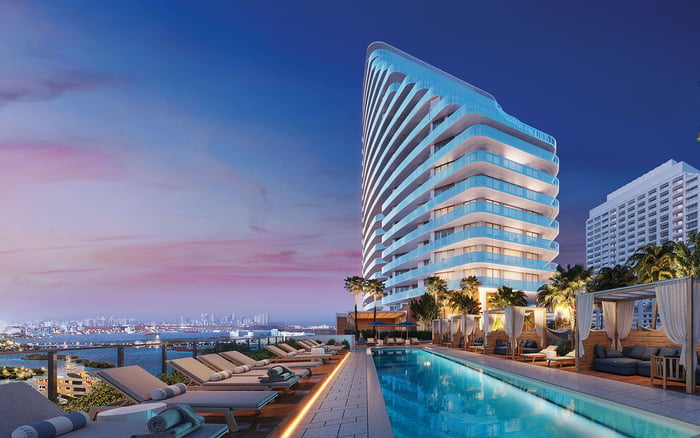
A preservation-minded guide for seasonal buyers at Riva Residenze Fort Lauderdale, focused on humidity stability, long absences, and the protection of art, millwork, furnishings, electronics, and waterfront interiors.
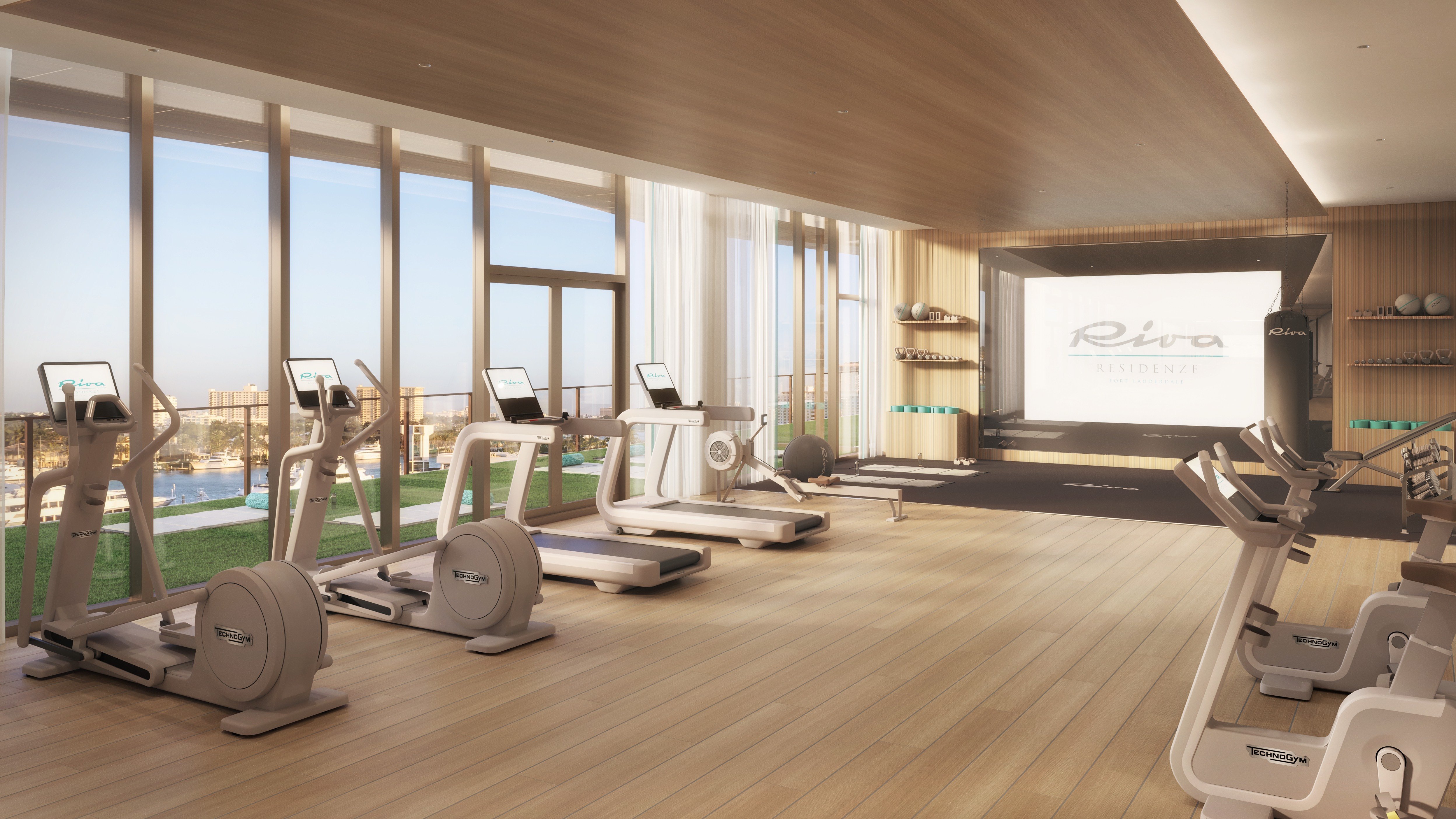
For seasonal buyers considering Riva Residenze Fort Lauderdale, humidity is not a background detail. It belongs in the preservation plan for a waterfront condominium that may sit closed for weeks or months while its owner is elsewhere. Comfort matters when the residence is occupied; protection matters when it is vacant.
Museum-grade humidity is best understood here as a practical benchmark, not a decorative phrase. It speaks to stability: a controlled indoor environment that helps protect interiors, collections, woodwork, electronics, and furnishings over time. The central question is not whether a thermostat can cool the living room before arrival. It is whether the residence can maintain a narrow, consistent climate band during extended absences.
That distinction is especially important in South Florida, where warm, humid outdoor air meets cooled interiors at windows, balcony doors, exterior walls, and other envelope transitions. A luxury buyer may specify exquisite finishes, custom cabinetry, fine textiles, and carefully placed art. Without the right mechanical support, those assets can still face long-duration humidity stress.
A closed seasonal residence can feel secure because no one is using it. In humidity terms, vacancy is often when vigilance matters most. Doors are shut, air movement is limited, and the owner is not present to notice subtle changes: a musty scent, condensation near a transition point, a swollen drawer, a rippled book cover, or movement in a wood floor.
At Riva Residenze Fort Lauderdale, the buyer’s due diligence should therefore include the home’s away-mode condition. What happens when the residence is cooled but not lived in? How are temperature and relative humidity monitored? Who receives an alert if the system drifts? Can a service provider access the residence quickly if a threshold is crossed?
Buyers comparing Fort Lauderdale ownership options, including Four Seasons Hotel & Private Residences Fort Lauderdale and St. Regis® Residences Bahia Mar Fort Lauderdale, should apply the same lens. Waterfront luxury is not only about view corridors and arrival experience. It is also about what happens inside the residence when the owner is in New York, Toronto, London, or Aspen.
Air conditioning is essential, but it is not a complete preservation strategy on its own. A preservation-minded approach considers cooling, dehumidification, infiltration control, and monitoring as a connected system. The goal is to reduce dramatic swings and avoid prolonged periods of elevated indoor moisture.
This matters because sensitive materials respond to both levels and cycling. Wood floors, custom millwork, cabinetry, canvas works, photographs, books, textiles, and upholstered furnishings can expand and contract as interior conditions change. Rapid humidity cycling can be as meaningful as a high reading, particularly when it repeats through a seasonal ownership cycle.
The same thinking applies to electronics, wine storage areas, and display lighting. The issue is not panic over ordinary coastal living. It is discipline: asking whether the residence has been planned for the materials and collections the buyer intends to place inside it.
A buyer should begin with HVAC design. Is the system intended merely for occupant comfort, or can it support stable conditions during absence? Is there dedicated dehumidification, or does moisture control depend entirely on cooling cycles? How does the system perform when the residence is not generating the normal patterns of occupancy, cooking, lighting, and door movement?
Monitoring is equally important. Smart sensors should be considered part of the ownership infrastructure, especially for a second home that may remain unoccupied for extended periods. Buyers should ask where sensors can be placed, whether alerts can be sent remotely, what alarm thresholds can be configured, and who is authorized to respond.
Service access is the practical layer. A beautiful residence loses resilience if the owner cannot quickly authorize inspection or adjustment. Ask how building procedures accommodate vendor entry, what documentation is needed, and whether absence protocols can be written into the owner’s management plan.
Buyers evaluating Sixth & Rio Fort Lauderdale and The Ritz-Carlton Residences® Fort Lauderdale can use the same questions as a framework. The higher the finish level, the more important the hidden systems become.
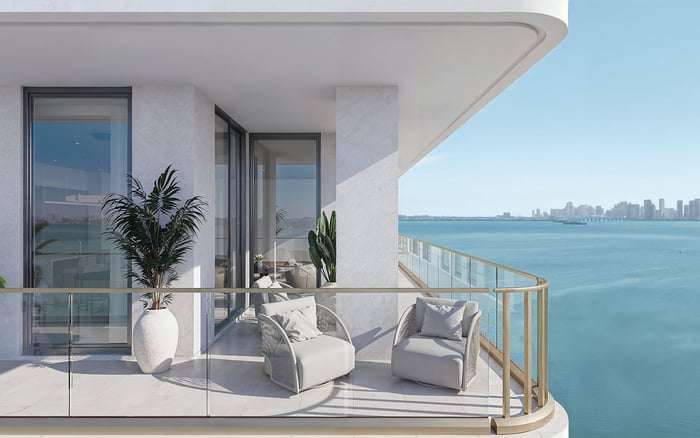
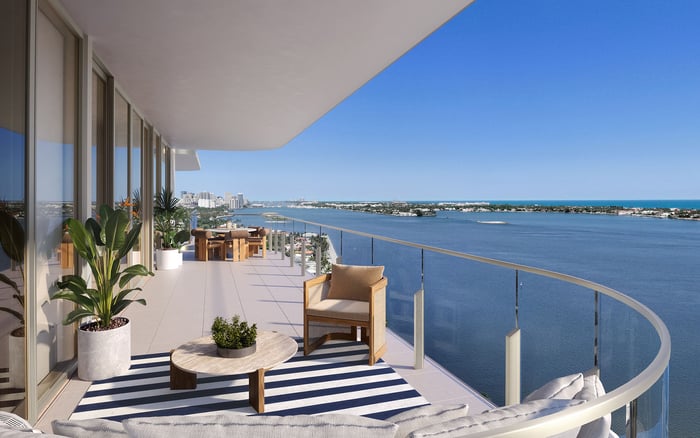
Humidity problems rarely announce themselves dramatically at the beginning. They tend to appear at edges and transitions: window walls, balcony doors, exterior-facing closets, corners with limited air movement, and millwork installed against cooled surfaces. A balcony is a lifestyle asset, but its door system and surrounding conditions deserve careful attention in a cooled waterfront residence.
For a waterview home, buyers often focus on orientation, light, and outdoor connection. Those are legitimate priorities. Yet the same view-driven design can make environmental discipline more important, especially where glass, exterior air, and interior finishes meet.
The most vulnerable possessions are often the quiet ones. Rare books, photographs, works on paper, canvas, rugs, linens, leather goods, and custom cabinetry may not fail immediately. They may simply begin to change. Preservation-minded ownership is about preventing those slow changes before they become visible.
In new-construction and recently delivered luxury residences, buyers often spend considerable time on stone, flooring, wall treatments, appliance packages, lighting, closets, and furnishings. That attention is appropriate, but it should be matched by scrutiny of mechanical performance. A residence can be visually impeccable and still require a more deliberate humidity plan.
For a Fort Lauderdale seasonal buyer, the ownership file should include more than closing documents and furniture invoices. It should include HVAC settings for absence, dehumidification notes, monitoring access, emergency contacts, service permissions, and a clear inspection rhythm. Riva Residenze Fort Lauderdale is the context, but the principle applies broadly across South Florida’s premium waterfront market.
The strongest buyers treat humidity control as stewardship. They are not simply buying square footage and views. They are protecting a private environment, the objects within it, and the long-term integrity of the residence.
What does museum-grade humidity mean for a seasonal condo buyer? It means prioritizing stable indoor conditions over time, especially for art, books, textiles, millwork, electronics, and high-end furnishings.
Is air conditioning enough to protect a vacant residence? Not always. Buyers should also consider dehumidification, infiltration control, monitoring, and response procedures during long absences.
Why is vacancy a humidity risk? When a residence is closed and unoccupied, no one is present to notice early warning signs or respond to changing interior conditions.
Which materials are most sensitive to humidity? Wood floors, custom millwork, books, photographs, canvas works, textiles, leather, and upholstered furnishings can be vulnerable over time.
Should buyers ask for exact humidity thresholds? Buyers should ask how the residence maintains a stable range rather than relying on a single thermostat setting or one-time reading.
Where should a buyer look for early humidity concerns? Pay attention to window walls, balcony doors, exterior-facing closets, corners, and other areas where cooled interiors meet humid outdoor air.
What should smart monitoring include? It should allow remote visibility, alert settings, and a defined response plan if interior conditions move outside the owner’s preferred range.
How does humidity affect art and collections? Repeated expansion and contraction can stress sensitive materials, so stable conditions are often as important as the absolute level.
Should humidity planning happen before furniture selection? Ideally, yes. The mechanical plan should support the finishes, collections, and furnishings the owner intends to bring into the residence.
What is the main due diligence question at Riva Residenze Fort Lauderdale? Ask whether the specific residence can maintain stable temperature and relative humidity year-round, including during extended owner absences.
For a tailored shortlist and next-step guidance, connect with MILLION.
If branded residences are on your mind — as a home or as an allocation — we would be glad to share what we are seeing, privately.
Begin a quiet conversation