A discreet buyer’s framework for evaluating Ocean 580’s municipal approvals, construction-defect documentation, warranty transfer terms, and potential association obligations before committing to a purchase.
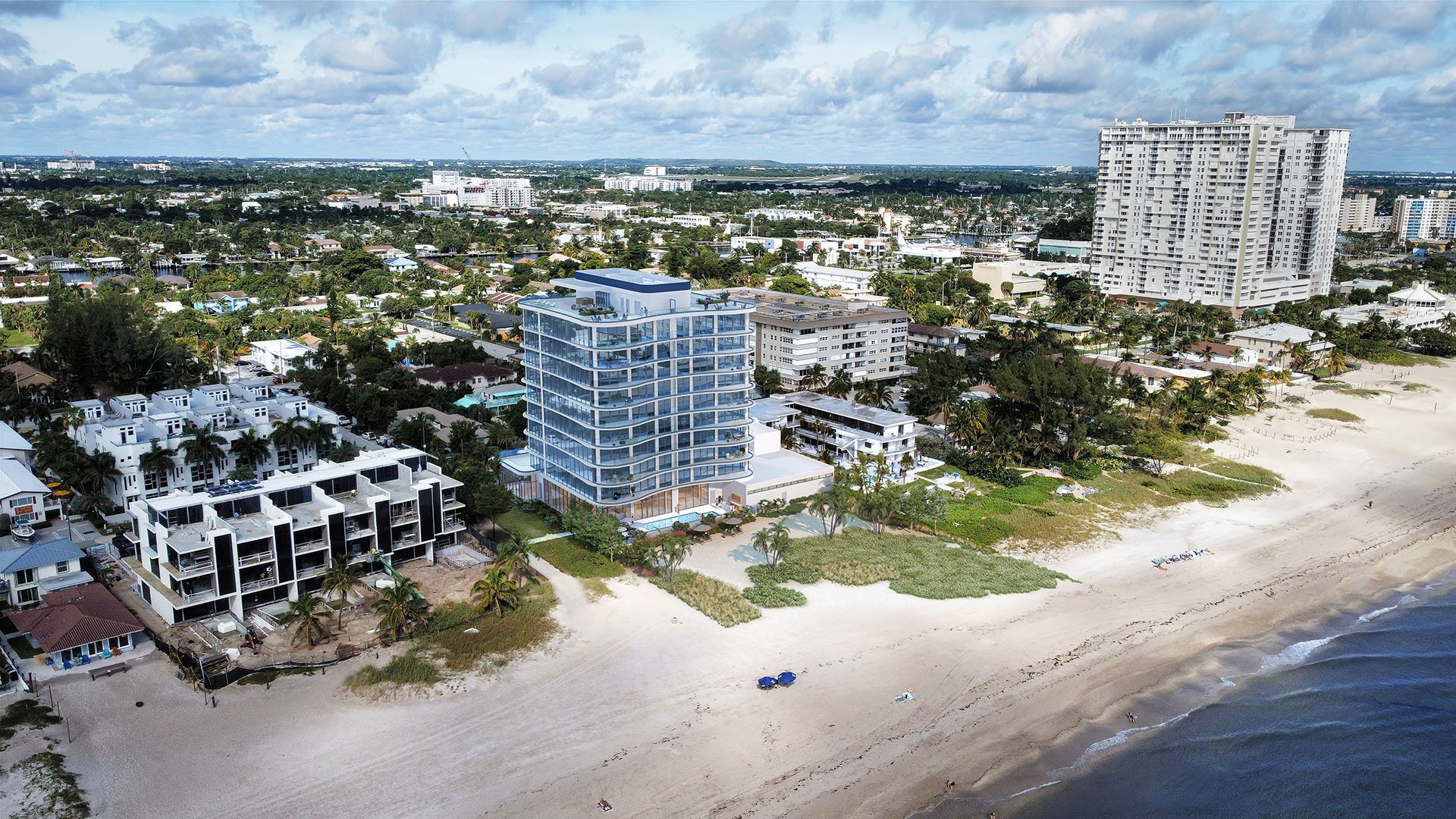
The appeal of Ocean 580 Pompano Beach lies in its intimate scale: a boutique beachfront condominium marketed with 17 residences. For a buyer seeking privacy and a close relationship with the ocean, that proposition merits attention. So does the documentation behind the purchase.
The condominium address is 580 Briny Avenue, Pompano Beach, FL 33062. The sales gallery is listed separately at 101 S Ocean Boulevard. Keep that distinction clear when requesting municipal records, reviewing contract exhibits, or instructing an engineer. The review should follow the property being purchased, not simply the location where it is presented.
No Ocean 580-specific construction-defect lawsuit, warranty claim, or open defect notice is verified here. That does not establish a clean history, nor does it support suggesting that defects exist. The appropriate position is neutral: request evidence and distinguish documented conditions from unanswered questions.
A developer’s background can provide context, but it cannot substitute for property-specific approvals, warranty instruments, or repair documentation. Keep the review focused on the building and the rights attached to the purchase.
When considering a purchase in a 17-residence condominium, ask how responsibility is divided among the developer, contractors, manufacturers, individual owners, and association. Counsel should identify who holds each relevant right and who must act when a concern affects shared property rather than an individual residence.
A buyer also considering Armani Casa Residences Pompano Beach should apply the same documentary standard to each opportunity. Architecture and identity may shape preference; they should not determine the depth of construction review. This is a comparison framework, not a statement about either project’s condition.
Pompano Beach’s Building Inspections department oversees standards for structural integrity, fire safety, hurricane resistance, and sanitation. Its remit also includes electrical, plumbing, mechanical, and gas systems. Municipal due diligence should therefore extend beyond the structure alone.
Request permit and inspection history, correction notices, final approvals, and the applicable occupancy certificate directly from the city. Ask the reviewing professionals to reconcile those records with the building, residence, and systems relevant to the transaction.
The city’s permitting system accommodates Temporary, Partial, and Final Certificates of Occupancy. Establish which authorization has been issued, what it covers, and whether conditions remain. A projected delivery date or marketing timeline is not occupancy authorization.
Where documentation identifies an unresolved item, request the corresponding correction and approval records. Do not assume that an inspection entry, contractor assurance, and final municipal approval mean the same thing. Counsel and the engineer should explain any material distinction before the contractual review period ends.
Florida’s Chapter 558 defines a construction-defect action to include civil litigation or arbitration seeking damages or indemnity for property damage or loss caused by an alleged construction defect. It generally requires written pre-suit notice describing the alleged defects and, if known, resulting damage or loss.
A litigation search alone therefore cannot answer every construction-risk question. Request Chapter 558 notices, expert assessments, insurance claims, repair proposals, settlements, releases, and developer or contractor correspondence, including disputes that have not become lawsuits. These are requested categories, not verified Ocean 580 conditions.
Chapter 558 generally gives notice recipients an opportunity to offer repairs, propose a monetary settlement, or otherwise respond before litigation proceeds. For any disclosed matter, establish its current status. An allegation, a proposed remedy, completed work, and a release represent different stages; they are not interchangeable evidence of resolution.
The statute provides a longer pre-suit notice period for associations representing more than 20 parcels. Do not infer the applicable classification solely from Ocean 580’s marketed residence count. Have counsel determine the governing classification and deadlines.
Project-specific warranty transferability, duration, exclusions, deadlines, fees, and assignment requirements remain unverified. Do not assume that a warranty follows title automatically or that every component carries identical protection.
Obtain developer and manufacturer warranties, transfer forms, punch-list records, and repair history. Ask counsel to identify the beneficiary, covered property, start date, remaining term, and any action required from the seller or buyer. Separate protection for an individual residence from rights concerning common property.
The review should also address notice requirements, arbitration clauses, liability limits, and exclusions. Determine whether the instrument requires consent, registration, payment, or an assignment for transfer, and how compliance will be documented.
For any disclosed prior repair, ask whether warranty rights remain available and whether a settlement or release affects future remedies. A repair record may explain what was addressed; the governing documents must establish what protection remains. Resolve those questions before treating warranty coverage as part of the purchase’s value.
Request board minutes, maintenance logs, budgets, reserves, assessments, legal invoices, and records concerning water intrusion, balconies, concrete, windows, roofing, and life-safety systems, where available and applicable. These are review priorities, not allegations about Ocean 580.
The objective is to connect condition, responsibility, and funding. If a concern is disclosed, ask who must investigate, who has agreed to repair it, whether work is complete, and whether an owner or association expense remains unresolved. Have counsel evaluate the significance of any settlement or release.
For buyers weighing The Ritz-Carlton Residences® Pompano Beach alongside Ocean 580, maintain separate files and separate conclusions. One project’s documentation should never stand in for another’s, regardless of presentation or the location’s appeal.
Consider an independent engineering or building-envelope inspection, with a scope tailored to the property and available access. Pair technical findings with counsel’s review of municipal records, warranties, claim documentation, and contractual obligations. Neither discipline should be expected to answer the other’s questions alone.
Before the due-diligence period expires, ask counsel whether the contract provides adequate review contingencies and how unresolved requests should be handled. Where appropriate, seek documented clarification or negotiated protection rather than relying on verbal assurance.
The strongest decision is not a declaration that risk is absent. It is a purchase made with a clear understanding of what is documented, what remains unresolved, who bears responsibility, and which protections are enforceable. Ocean 580’s boutique appeal can remain central to the decision without displacing that discipline.
For a considered perspective on South Florida’s luxury residential choices, explore MILLION.
If branded residences are on your mind — as a home or as an allocation — we would be glad to share what we are seeing, privately.
Begin a quiet conversationOcean 580 is marketed as a boutique beachfront condominium with 17 residences in Pompano Beach.
The condominium address is 580 Briny Avenue, Pompano Beach, FL 33062. The sales gallery is listed at 101 S Ocean Boulevard.
A concern may affect an individual residence or shared property. Counsel should identify who holds the relevant rights and who must act.
A verified Ocean 580-specific defect lawsuit, warranty claim, or open defect notice is not established here. That should not be interpreted as confirmation of a clean history or evidence that defects exist.
Request permit and inspection history, correction notices, final approvals, and the applicable occupancy certificate directly from Pompano Beach.
The city’s permitting system supports Temporary, Partial, and Final Certificates of Occupancy. Buyers should establish which authorization has issued and what property it covers.
Seek Chapter 558 notices, expert assessments, insurance claims, repair proposals, settlements, releases, and developer or contractor correspondence. Include disputes that have not become lawsuits.
Project-specific transferability and related terms remain unverified. Counsel should review the actual warranties and any transfer or assignment instruments before assuming coverage follows ownership.
Counsel should determine the applicable statutory classification rather than relying solely on the marketed residence count. Chapter 558 provides a longer pre-suit notice period for associations representing more than 20 parcels.
Consider an independent engineering or building-envelope inspection and counsel’s review of contractual due-diligence contingencies. Clarify unresolved documentation and responsibility before committing.