A Hillsboro Beach condo deserves scrutiny beyond its views. Review balcony waterproofing scope, rain-intrusion history, inspection records, reserve funding, and façade-access schedules before committing.
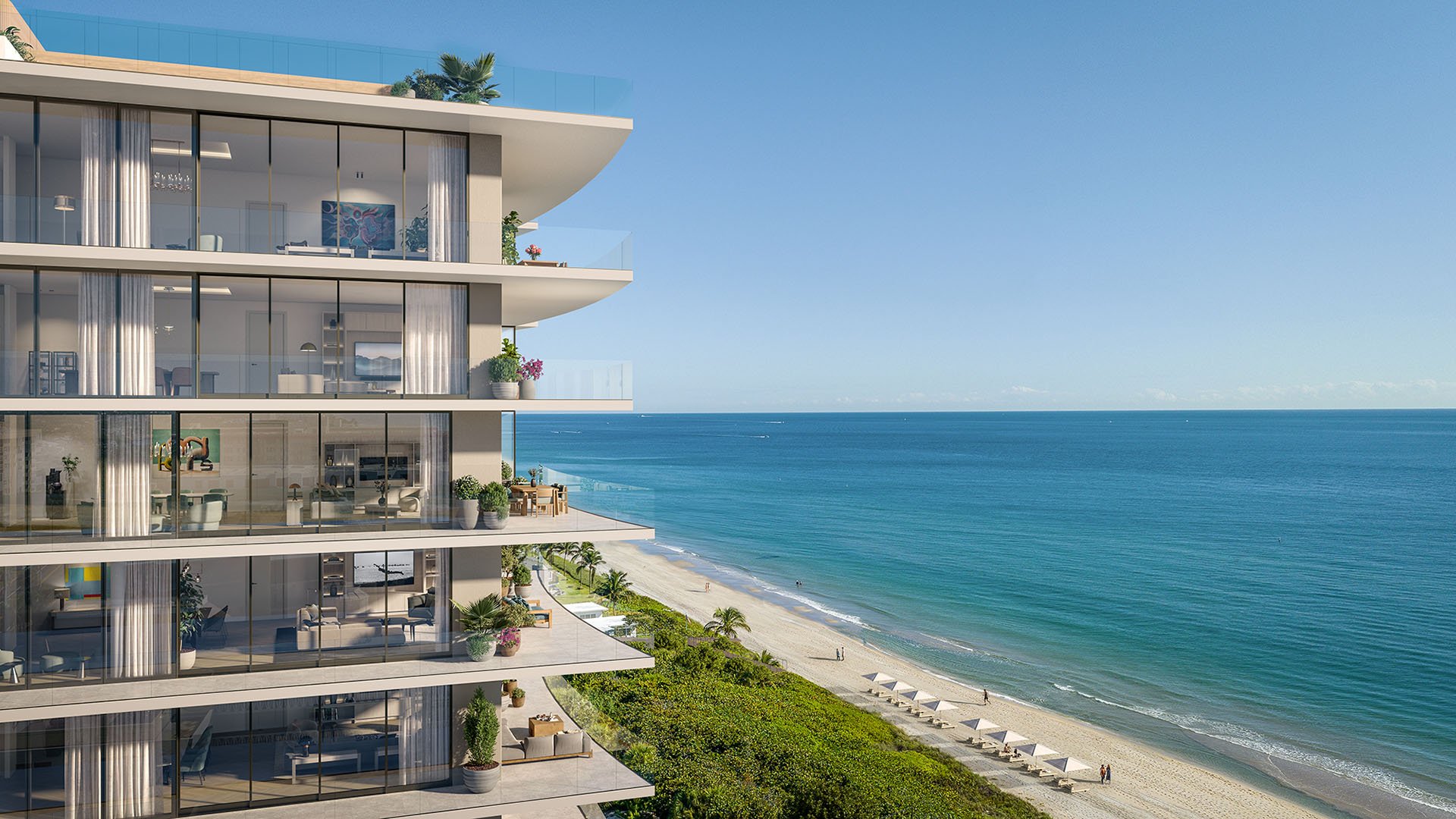
In Hillsboro Beach, a balcony can be central to a luxury condominium’s appeal: an outdoor room, a place to entertain, and a quiet extension of the interior. Before choosing a residence, give its maintenance obligations the same attention as its proportions. Focus on waterproofing scope, documented performance during rain, and the practical consequences of exterior work.
For buyers considering Rosewood Residences Hillsboro Beach alongside other residences, these questions offer a consistent comparison framework-not a finding about any particular property. Establish what has been evaluated, what remains planned, who pays, and when unrestricted enjoyment of the home can reasonably be expected.
A polished finish is no substitute for documented condition. Approach the purchase through three connected reviews: the building’s structural obligations, the residence’s water-related history, and the association’s funded maintenance program.
Request the association’s current waterproofing scope, along with any related engineering recommendations or repair specifications. Ask which balcony slabs, coatings, drains, flashing, railings, and façade joints are included. A project described simply as waterproofing may not address every balcony element or its connection to the residence.
Ask management to distinguish work affecting the selected unit from work elsewhere in the building. Has the balcony been evaluated individually? Are repairs proposed, underway, or documented as complete? Which elements are the association’s responsibility, and which require owner action? Request supporting documents rather than accepting a general assurance that the building has been addressed.
The goal is a written scope that can be matched to the residence. If an element is excluded, ask a qualified inspector whether it warrants separate evaluation. An exclusion is not evidence of a defect, but it should remain part of the buyer’s review.
Ask management which structural inspection and reserve-study requirements apply to the building. Request the applicable reports, current deadlines, and documentation of any outstanding follow-up work. Have the appropriate professionals confirm building-specific obligations rather than relying on a general inspection timeline.
Keep structural inspection findings separate from reserve planning. A milestone inspection addresses structural condition, while a Structural Integrity Reserve Study, or SIRS, addresses covered components and financial planning for future repairs and replacement. Request the applicable documents and compare their findings with the association’s repair program.
When reviewing a reserve study, ask how waterproofing and related exterior components are addressed. Examine the stated scope, estimated useful lives, replacement costs, and funding needs. A SIRS does not establish that a particular balcony or door assembly is watertight; seek the unit-specific evidence needed for the purchase.
If inspection or study work remains pending, request the association’s written schedule and ask a qualified professional to confirm the applicable deadlines. Do not assume that a scheduling provision or extension applies to the selected building.
Make rain-related questions specific to the residence. Ask the seller and association for written information about known water entry, prior repairs, recurring complaints, and unresolved concerns involving the selected unit. Where records exist, compare the original concern with the repair scope and subsequent completion evidence.
A qualified inspector should determine whether the balcony, exterior doors, windows, drainage arrangements, or façade connections need further evaluation. Ask what evidence would help assess performance during wind-driven rain and whether additional testing is appropriate. Do not assume an intrusion pathway or prescribe a testing method without professional review.
Keep the purchase decision grounded in precise language. A statement that work was performed does not establish that the concern was resolved. Equally, a question about an assembly does not establish that it is defective. The goal is a documented answer, not a presumption in either direction.
Façade work warrants a separate lifestyle review. Request the contractor’s actual schedule, including anticipated work affecting the selected residence, balcony-use restrictions, unit-entry requirements, staging arrangements, and the expected completion date. Distinguish confirmed dates from estimates.
For a second home, compare those restrictions with intended occupancy. Will the terrace be available during the planned stay? Must someone arrange entry while the owner is away? Ask how schedule changes will be communicated and whether a revised schedule is available before closing.
The same questions can guide a broader search that includes Ocean 580 Pompano Beach. This compares documentation and anticipated use; it does not suggest that any named project has scheduled façade work. Separate the appeal of outdoor living from the evidence establishing when the space will be available.
Request applicable permitting information, inspection scheduling, plan-review comments, and inspection results for work in Hillsboro Beach. Use available records to investigate the status of balcony, façade, waterproofing, concrete-restoration, and window work relevant to the purchase.
Match the association’s description to the underlying engineering documents, repair specifications, permits, inspection results, and final sign-offs. Distinguish proposed work from permitted work and documented completion. A board announcement can help identify a project, but it should not replace the records establishing scope and status.
For an older building, request the applicable inspection documentation and evidence that required repairs were completed. Confirm the building’s current requirements with the appropriate professionals rather than assuming a universal coastal-age threshold.
The final review is financial. Request written information about outstanding assessments, payment schedules, reserve shortfalls, and responsibility for payments around closing. Compare the reserve study’s identified needs with the association’s stated repair program. Seek clarification wherever scope, funding, or timing does not align.
If the search also includes The Ritz-Carlton Residences® Pompano Beach, apply the same financial questions while keeping each property’s obligations separate. Neither a project name nor a compelling presentation establishes waterproofing condition, assessment exposure, or future access restrictions.
Before committing, assemble the essential records: inspection findings, waterproofing scope, unit-specific history, permit status, completion evidence, access schedule, and written payment obligations. Have the appropriate professionals address unresolved technical and contractual questions. The strongest decision weighs the residence’s appeal alongside its documented obligations.
Explore a thoughtfully considered South Florida residence with MILLION.
If branded residences are on your mind — as a home or as an allocation — we would be glad to share what we are seeing, privately.
Begin a quiet conversationRequest the written scope and clarify whether slabs, coatings, drains, flashing, railings, and façade joints are included. Match that scope to the selected residence.
No. A SIRS addresses reserve planning and should not be treated as proof of a particular balcony or door assembly’s watertightness.
A milestone inspection assesses structural condition. A SIRS addresses covered components and financial planning for future repairs and replacement.
Request the applicable reports and written deadlines from management. Have the appropriate professionals confirm the selected building’s current requirements.
Review the covered components, estimated useful lives, replacement costs, and funding needs. Compare those findings with the association’s stated repair program.
Request written information about known water entry, repairs, and unresolved concerns affecting the unit. Ask a qualified inspector whether further evaluation or testing is appropriate.
Request anticipated work dates, balcony-use restrictions, unit-entry requirements, staging arrangements, and expected completion. Clarify which dates are confirmed and which are estimates.
Available permits, plan-review comments, inspection results, and final sign-offs can help establish the scope and status of relevant exterior work. Compare them with the association’s description.
Not by itself. Request supporting completion records and ask the appropriate professionals to address unresolved concerns.
Request written details about outstanding assessments, payment schedules, reserve shortfalls, and responsibility for payments around closing. Compare those obligations with the documented repair program.