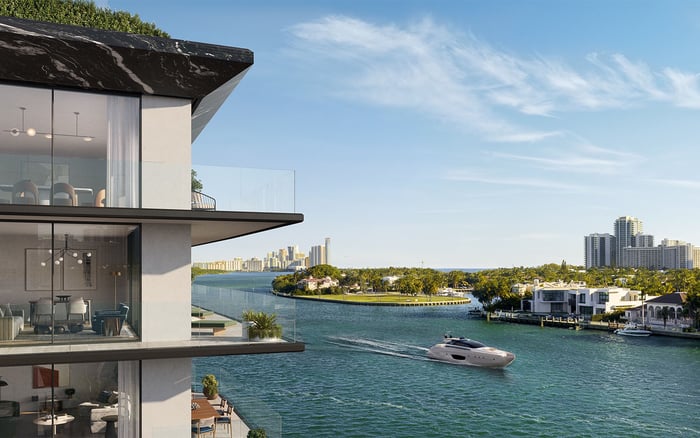
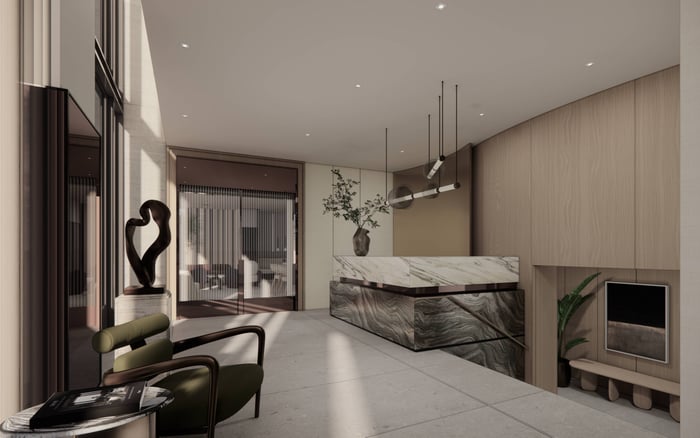
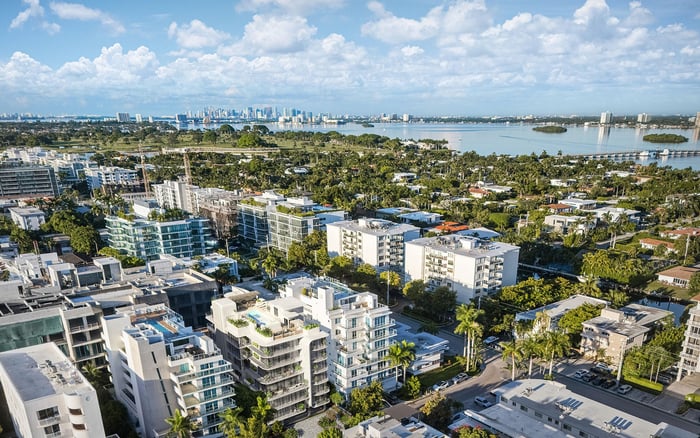
Before buying at Alma Bay Harbor Islands, reconcile the association’s replacement-cost valuation, ordinance-and-law protection, and unit-owner coverage. The essential diligence is a written understanding of what each policy insures, which costs remain exposed, and how improvements and assessments are treated.
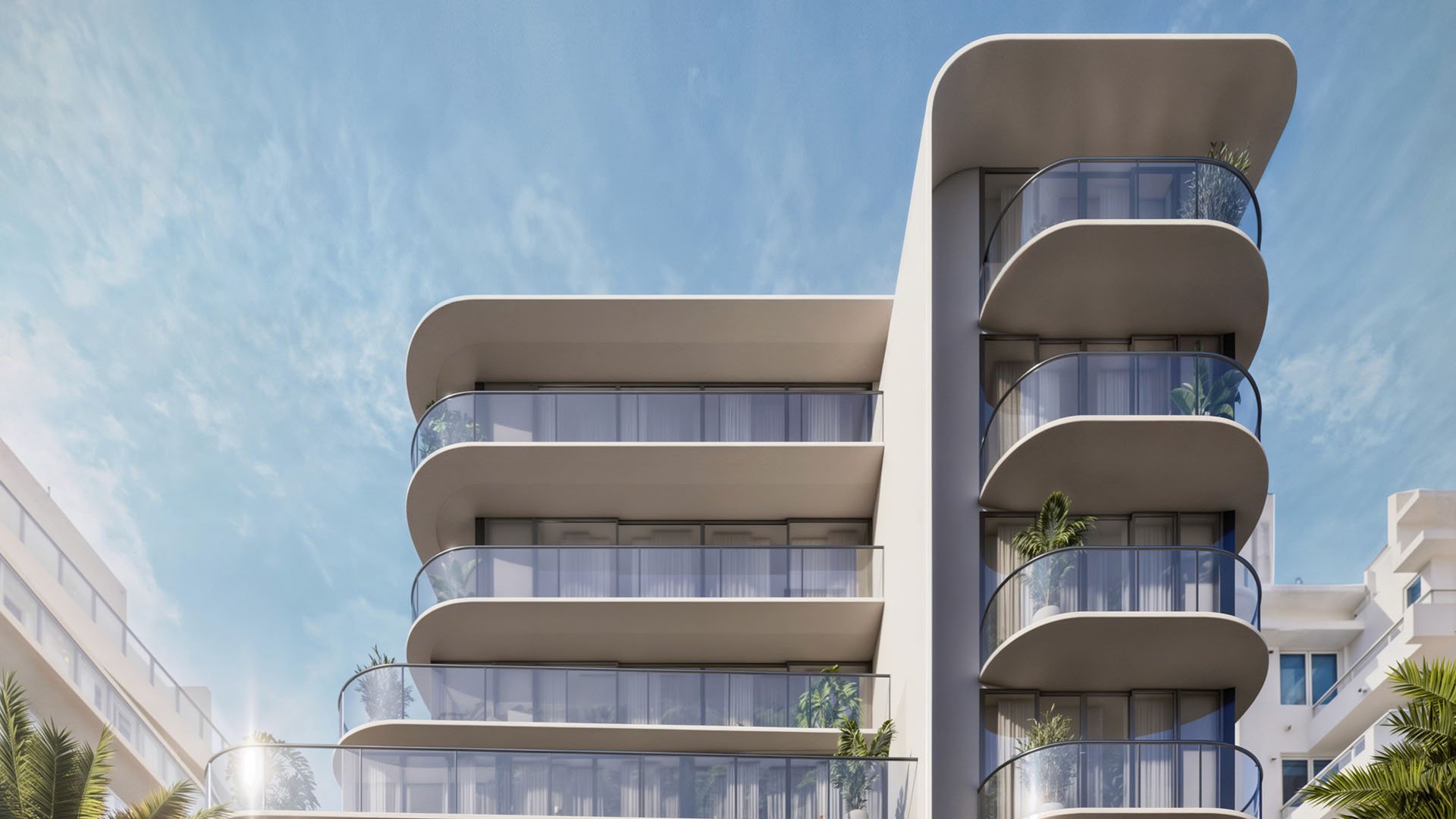
At Alma Bay Harbor Islands, the insurance review should be as deliberate as the review of the residence itself. A purchase price reflects what a buyer is willing to pay. It does not establish what the association could recover to rebuild after a covered loss, or what an owner could recover to restore an individually finished interior.
The essential task is to reconcile three questions: whether a replacement-cost valuation supports the building’s insured value, whether code-related reconstruction costs receive meaningful protection, and whether the unit-owner policy covers the interior being purchased. Resolve these questions through documents and written professional guidance, not a listing’s shorthand description of coverage.
Alma’s insurer, policy limits, deductibles, valuation, flood protection, claims history, and unit-specific improvement coverage are not established here. Nothing in this review should be read as a finding of inadequate insurance. It is a framework for deciding what to verify before committing capital.
Start with the association’s actual master policy, declarations, endorsements, exclusions, deductible provisions, and insurance contact information. Request the replacement-cost valuation supporting the building insurance limit, and have the association’s insurance professional explain how the two align.
The purchase price of one residence is not evidence that the building carries adequate property coverage. Market value and reconstruction exposure answer different questions. A buyer needs to understand the insured property, the valuation supporting the limit, and any policy terms that could affect recovery.
Ask when the valuation was prepared, what property it includes, and whether the policy reflects that scope. These are diligence questions, not assumptions about Alma’s records. Also request an explanation of applicable deductibles and how any resulting owner assessments would be handled.
For buyers also considering Bay Harbor Towers, apply the same document standard to each property. Comparing policy limits without comparing the property and valuation behind them can obscure the exposure that matters.
Ordinary reconstruction coverage and ordinance-and-law protection are not interchangeable. Ordinance-and-law coverage addresses qualifying additional costs imposed by enforcement of building laws after a covered loss. The question is not simply whether the phrase appears in the policy, but what the endorsement covers and how much protection it provides.
Request the endorsement itself. Have the insurance professional identify its limit, applicable sublimits, exclusions, and the circumstances that trigger coverage. Ask how those terms would interact with the building’s ordinary reconstruction protection in a covered-loss scenario.
Florida’s default ordinance-and-law provision sets a limit of 25% of the dwelling limit for policies within its scope unless the insurer obtains the policyholder’s written refusal. That provision does not establish Alma’s actual master-policy protection, its applicability to that policy, or the adequacy of any limit.
The practical conclusion is straightforward: do not translate a statutory percentage into a building-specific assurance. Obtain written confirmation of the actual terms, and have a qualified professional assess them against the insured property.
Florida’s condominium-insurance framework requires association coverage for condominium property as originally installed, or replacement materials of like kind and quality, subject to statutory exclusions. It also includes qualifying alterations or additions to condominium or association property approved under the applicable approval framework.
That baseline does not mean every item inside a residence falls under the master policy. Required association property coverage excludes owners’ personal property. Statutory exclusions also encompass floor, wall, and ceiling coverings; electrical fixtures; appliances; water heaters; built-in cabinets and countertops; and specified window treatments serving only the unit.
The distinction deserves particular attention when an interior’s appeal rests on its finishes and furnishings. An association policy is not a substitute for individual unit-owner insurance, commonly called an HO-6 policy. Nor should a buyer assume an item is association-insured simply because it was present when the residence was first delivered.
Whether the search includes Alana Bay Harbor Islands or a residence in Bal Harbour, apply the same discipline: identify the item, determine which policy addresses it, and document the answer.
Owner-installed upgrades can create a gap between association coverage and the cost of restoring a renovated interior. Before closing, build an insurance inventory around the residence’s actual finishes, cabinetry, countertops, appliances, fixtures, window treatments, and belongings. Ask the unit-owner insurer to confirm how improvements and betterments are covered.
Where alterations have been made, request applicable association approvals and alteration agreements. Review those documents against the governing approval framework; do not assume a completed renovation establishes its insurance treatment. Approval, maintenance responsibility, and insured status are distinct questions to reconcile, not interchangeable assurances.
Have the association’s insurance professional and the proposed HO-6 insurer explain in writing how their policies respond to the same interior. The goal is a coherent allocation of protection that also identifies any items or costs left uninsured.
For a buyer weighing Alma against The Well Bay Harbor Islands, the useful comparison is not an assumption about either project’s finishes or insurance. It is whether each proposed purchase can be paired with a documented inventory and clearly explained coverage.
Florida requires individual residential condominium-unit policies to include loss-assessment coverage. That protection is separate from insuring cabinetry, furnishings, or other unit property. Its presence does not establish whether a particular assessment would be covered.
Request the assessment limit, and have the insurer explain relevant conditions, exclusions, and the treatment of assessments connected to association deductibles. Seek written clarification of the situations that concern you rather than treating the coverage name as a comprehensive promise.
Florida also requires the individual unit-owner policy to state that its coverage is excess over amounts recoverable under another policy covering the same property. Policy coordination therefore deserves explicit review. Two policies covering the same property should not be assumed to provide duplicate recovery.
Review the declaration, bylaws, articles of incorporation, and amendments alongside the insurance records. Association maintenance, repair, and replacement responsibilities depend on the declaration and should be checked separately from the master policy’s insured-property provisions.
Bay Harbor Islands requires condominium associations to register, and its registration materials request insurance-agent contact information, if any. Establish the appropriate contact, and direct coverage questions to the professionals positioned to answer them.
Before closing, request any relevant claims history and inspection records, and clarify flood coverage without presuming a deficiency. The objective is a written understanding of insured values, code-related protection, interior coverage, deductibles, and assessment exposure. Statutory baselines inform that review; the actual policies and governing documents determine the analysis for a particular purchase or loss.
For a discreet perspective on your South Florida residential search, connect with MILLION.
If branded residences are on your mind — as a home or as an allocation — we would be glad to share what we are seeing, privately.
Begin a quiet conversationNo. Alma’s insurer, limits, deductibles, valuation, flood protection, claims history, and unit-specific improvement coverage require verification through the relevant documents.
Request the actual policy, declarations, endorsements, exclusions, deductible provisions, and insurance contact information. Review the supporting replacement-cost valuation as well.
No. Compare the building insurance limit with the association’s replacement-cost valuation rather than treating the unit’s market price as evidence of adequate coverage.
It addresses qualifying additional costs imposed by enforcement of building laws after a covered loss. Its terms and limits should be reviewed separately from ordinary reconstruction coverage.
No. The default applies to policies within the statute’s scope unless the insurer obtains written refusal; it does not establish Alma’s actual master-policy terms or their adequacy.
No. Required association coverage excludes owners’ personal property and specified interior items, making individual unit-owner protection a separate consideration.
Exclusions include floor, wall, and ceiling coverings; electrical fixtures; appliances; water heaters; built-in cabinets and countertops; and specified window treatments serving only the unit.
Inventory the actual interior and obtain written confirmation of improvements-and-betterments coverage under the master and HO-6 policies. Request applicable alteration approvals and agreements.
Its required inclusion does not establish coverage for every assessment. Review the limit, conditions, exclusions, and treatment of assessments connected to association deductibles.
No. Maintenance, repair, and replacement responsibilities depend on the declaration and should be reviewed separately from the policy’s insured-property provisions.