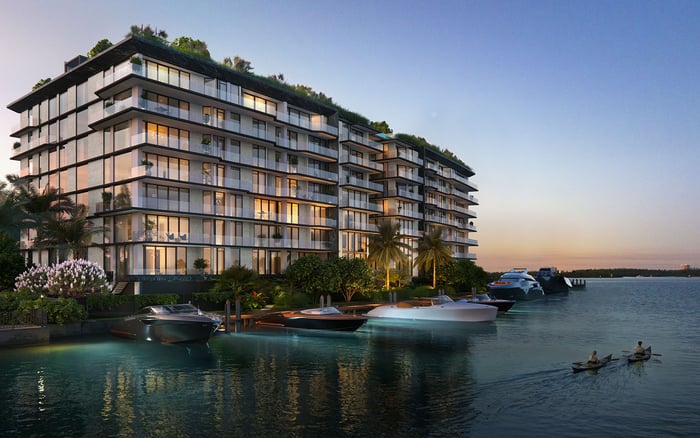
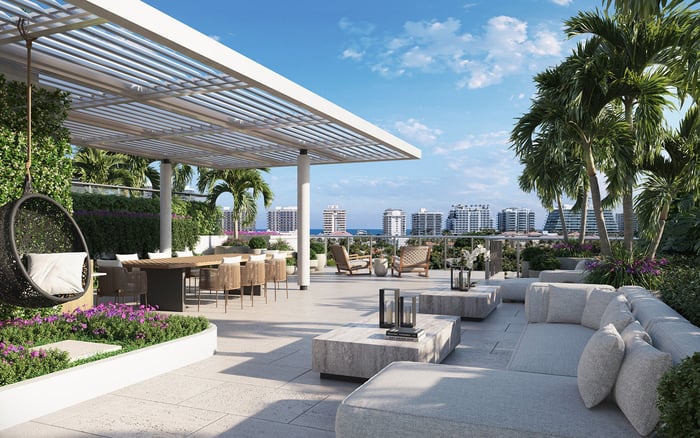
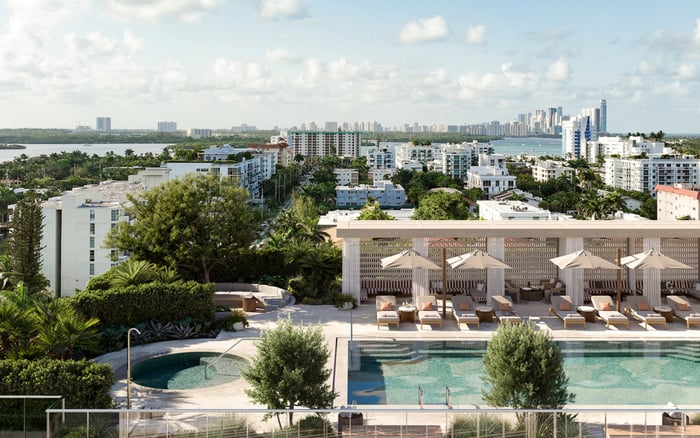
An Alma purchase calls for precise, document-led diligence. Buyers should distinguish litigation disclosures from actual disputes, insurance assumptions from bound coverage, and construction financing from their own lender’s project approval.
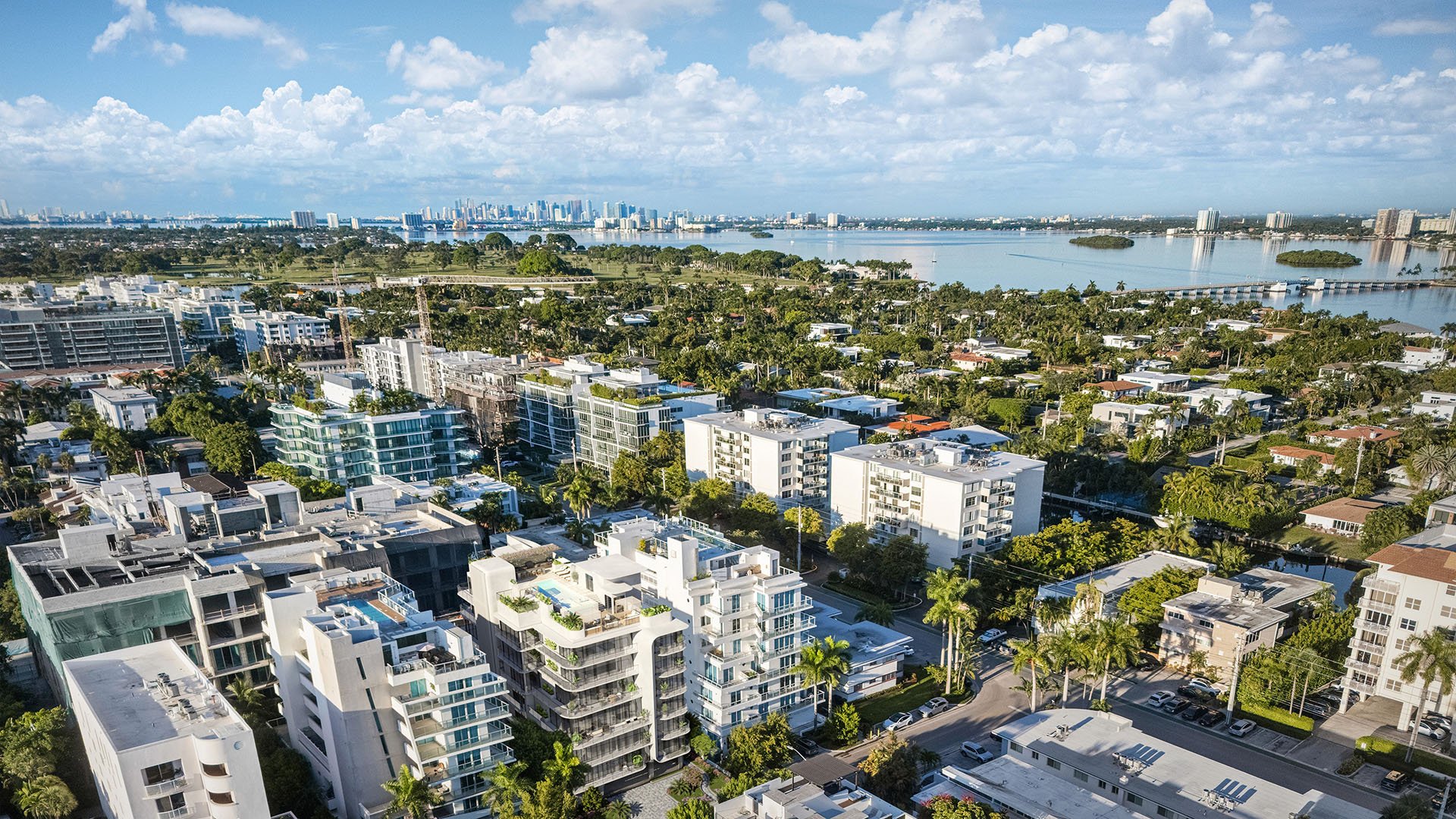
At Alma Bay Harbor Islands, the purchase decision deserves the same precision as the residence selection. Litigation disclosures, insurance-renewal negotiations and lender reaction are subjects for diligence, not presumed events. The information provided for this article establishes neither an Alma-specific lawsuit, insurance nonrenewal, premium dispute or adverse lender decision, nor their absence.
The distinction matters. A contractual statement about litigation is not evidence of a lawsuit. An insurance allowance is not bound coverage. A construction loan, even when confirmed, is not approval of an individual buyer’s mortgage. Decision-grade diligence means obtaining documents that answer each question separately, then checking that the answers remain consistent at signing and closing.
Buyers should confirm the contracting entity, property description and documents governing their particular residence. A familiar project name is no substitute for matching the seller, parcel and contractual obligations across the purchase file. Verify advertised dimensions, layouts and design specifications against the applicable plans and agreement rather than treating marketing descriptions as contractual commitments.
For buyers considering Bay Harbor Islands alongside Bal Harbour, the useful comparison extends beyond floor plans. It includes the quality of disclosure, clarity of operating assumptions and conditions attached to financing. Design can establish preference; documents should establish whether the transaction is ready to proceed.
Request current written disclosures addressing pending or threatened claims, arbitration, construction-defect allegations, mechanics’ liens and relevant developer or contractor disputes. This is a recommended inquiry, not an assertion that any such matter exists at Alma. Ask counsel to distinguish claims involving the property from disputes involving a related entity elsewhere.
Then examine scope. Does a litigation representation cover only filed proceedings, or also written threats and arbitration demands? Which entities does it cover? Is it qualified by the seller’s knowledge or a materiality threshold? As of what date does it apply, and must the seller update it before closing? These are points to examine in the actual agreement, not terms to assume.
If a matter is disclosed, request the relevant filings or demand, its current status, the parties involved and any available explanation of potential financial responsibility. Have counsel assess whether it could affect title, completion, association obligations or the buyer’s remedies. A summary description alone cannot establish that exposure.
Keep a separate schedule of contractual protections: disclosure obligations, update requirements, document-delivery deadlines and remedies negotiated for material changes. Do not assume a right to cancel or withhold funds without legal review of the governing documents.
Before discussing insurance-renewal negotiations, establish the coverage stage. Is insurance bound, quoted, pending underwriting or merely included as a budget assumption? Which entity is insured, for which period and for what risks? Do not assume an operating association has a renewal history simply because residences are being marketed.
Request applicable policy documents, limits, exclusions, flood terms, named-storm deductibles, claims history and renewal dates. Where coverage is not yet bound, ask for the assumptions behind the estimate and the conditions that could change it. Distinguish construction-period coverage from coverage intended for the completed condominium.
If renewal negotiations are underway, seek a written comparison of expiring and proposed terms. Review changes in coverage as well as premium. A lower quoted cost is not a sufficient basis for selection without understanding exclusions, deductibles and underwriting conditions.
A buyer also considering Bay Harbor Towers can apply the same document standard to each candidate. This is a comparison framework, not an assertion that the projects have equivalent policies, budgets or operating histories. Require each property’s insurance assumptions to stand on their own.
An advertised monthly association fee should not be treated as every owner’s obligation or a verified final association budget. Request the applicable proposed or adopted budget, its effective date and the expense-allocation schedule for the residence under consideration.
Ask which insurance costs are included, which assumptions remain provisional and how changes would be allocated under the governing documents. Do not simply divide a building-wide expense by the number of residences without checking those allocations.
Have the adviser model alternative insurance costs and deductible exposures using documented assumptions, not an invented forecast. The purpose is to understand affordability if costs change. Likewise, a description of the completed building in marketing materials does not establish that a final budget, reserve study or certificate of occupancy exists.
Keep Alana Bay Harbor Islands separate in the diligence file. Any financing information concerning Alana should not be used to establish Alma’s construction financing, loan terms or lender reaction. Similar names are not interchangeable evidence.
For Alma, request project-specific construction-lender confirmation and relevant commitment documentation. Have counsel examine maturity, funding conditions, completion guarantees and lender-remedy provisions where available and applicable. The objective is to understand the financing supporting delivery, not infer it from another development’s financing.
Separately, ask the buyer’s lender for its written condominium-project review status. Identify outstanding conditions and the documents needed to resolve them. Ask specifically whether litigation disclosures, insurance terms or budget revisions would require further review. Personal mortgage qualification is not a substitute for this project-level answer.
No lender response should be attributed to Alma without project-specific confirmation. Even a favorable response should be read for its date, scope, conditions and expiration-not summarized as an unconditional endorsement.
Maintain a concise decision file with three categories: confirmed, conditional and unresolved. For each material issue, identify the supporting document, responsible adviser and next review date. This gives the buyer a practical way to distinguish an unanswered request from an identified risk.
Before the next contractual commitment, ask counsel, the insurance adviser and the lender to reconcile their conclusions. A changed policy assumption may warrant a budget revision; a newly disclosed claim may warrant another lender review. These are possibilities to test, not predictions about Alma.
The objective is neither automatic reassurance nor suspicion. It is a purchase decision that evaluates the residence, contract, insurance assumptions and financing conditions together, with unresolved issues expressly acknowledged.
For a discreet perspective on South Florida residential opportunities, explore MILLION.
If branded residences are on your mind — as a home or as an allocation — we would be glad to share what we are seeing, privately.
Begin a quiet conversationThe information provided for this article establishes neither an Alma-specific lawsuit nor the absence of claims. Buyers should obtain current disclosures and have counsel review their scope.
Confirm the contracting entity, property description and documents governing the residence. Match the seller, parcel and contractual obligations across the purchase file.
Compare advertised dimensions, layouts and design specifications with the applicable plans and purchase agreement. Ask counsel to identify which specifications are contractual commitments.
Request disclosures covering pending or threatened claims, arbitration, construction-defect allegations, mechanics’ liens and relevant developer or contractor disputes. Counsel should examine which entities and time periods the disclosures cover.
Do not assume a cancellation right or a right to withhold funds. Counsel should review the governing documents and any negotiated remedies.
The information provided for this article does not establish an Alma-specific insurance nonrenewal or premium dispute. First determine whether coverage is bound, quoted, pending or merely budgeted.
Request applicable policy limits, exclusions, flood terms, named-storm deductibles, claims history and renewal dates. Distinguish construction-period coverage from coverage intended for the completed condominium.
An advertised fee should not be treated as a project-wide obligation or a verified final budget. Request the applicable budget and the expense-allocation schedule for the residence under consideration.
Financing information concerning Alana should not be used to establish Alma’s financing terms or lender reaction. Obtain project-specific confirmation for Alma.
Seek project-specific construction-financing confirmation separately from the buyer’s lender-specific condominium approval. Request written review status, outstanding conditions and any expiration dates.