An Aventura condo’s long-term livability depends on more than its floor plan. A practical ownership file brings together emergency medical contacts, written caregiver-parking rules, elevator procedures, and a resident-specific mobility and relocation plan.
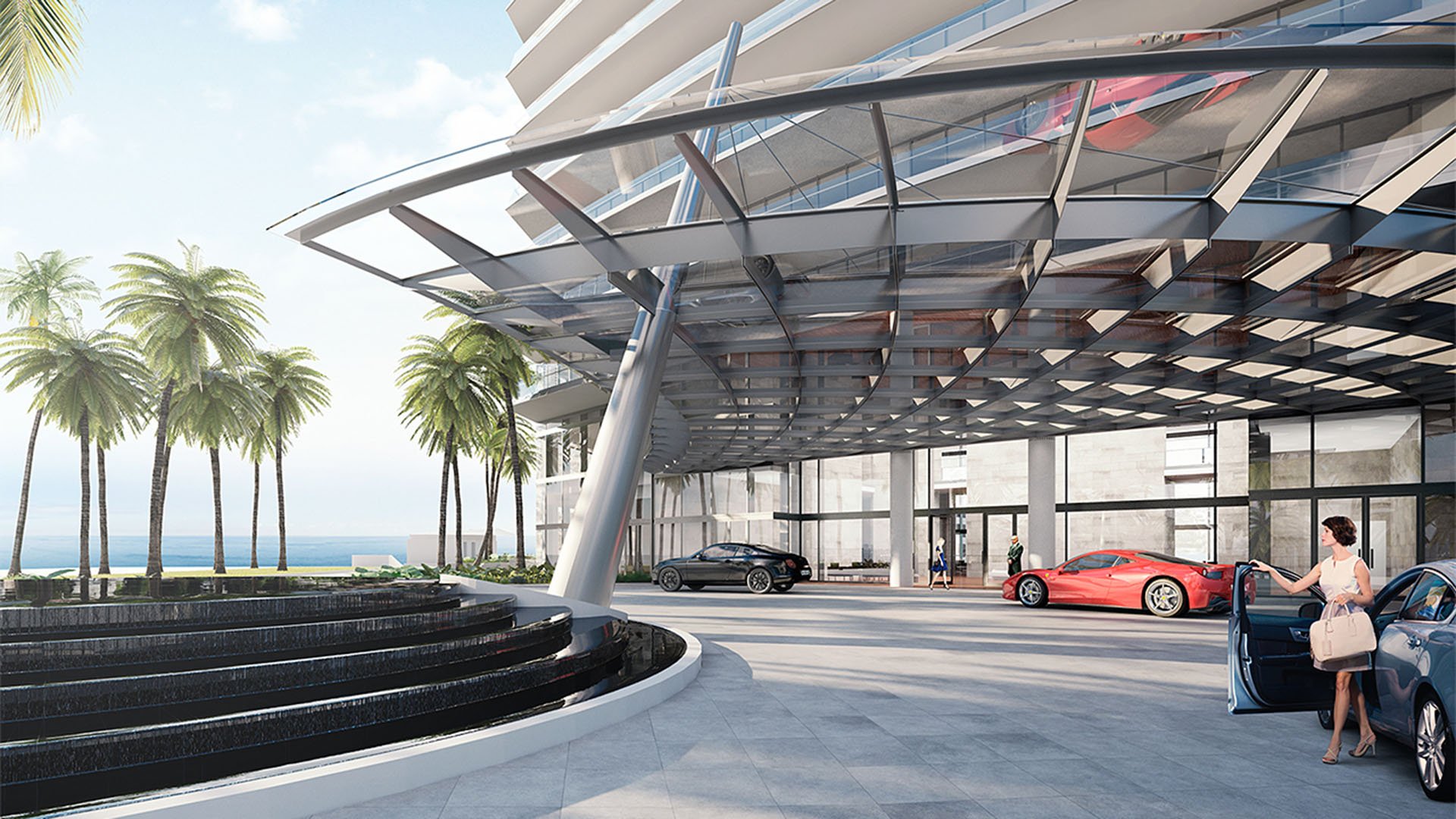
An Aventura condominium can satisfy every aesthetic preference while leaving essential ownership questions unanswered. For a household managing limited mobility, visiting caregivers, or recovery after a medical procedure, the decisive details often lie outside the apartment: the arrival gate, parking permissions, elevator procedures, and the route from the lobby to the bedside.
The ownership file should make those details usable. Not a collection of brochures, but a concise record of contacts, written permissions, building procedures, and household decisions. For a buyer considering Avenia Aventura, the diligence is the same as for any condominium under review: obtain building-specific answers without treating a project’s presentation as evidence of operational readiness.
The objective is not to eliminate every contingency. It is to distinguish confirmed arrangements from those requiring approval-and to know what happens when the normal route home becomes unavailable.
Aventura’s 911 service coordinates police, fire, and medical assistance. Its operators receive Emergency Medical Dispatch training and can provide instructions while rescue units respond. In an emergency, 911 is the dispatch contact; a hospital telephone number is not a substitute.
Clearly identify two local facilities in the file. HCA Florida Aventura Hospital, at 20900 Biscayne Boulevard, Aventura, FL 33180, provides emergency care 24 hours a day, seven days a week and is a state-designated Level II Trauma Center. Its main number is 305-682-7000; its emergency room number is 305-682-7290.
Mount Sinai Aventura Emergency Center, at 2845 Aventura Boulevard, Aventura, FL 33180, is a freestanding emergency center that accepts patients of all ages and operates 24 hours a day, seven days a week. Its telephone number is 305-692-1000. These facility contacts belong beside, not in place of, 911.
The more revealing exercise is to map access within the property. Ask management where responders enter, how security grants access, which elevator accommodates medical transport, and who directs responders to the unit. Record the full building address, tower designation if applicable, floor, and unit identification. Do not equate proximity to medical care with a promised response time or presume a transport destination.
Caregiver access deserves a written protocol of its own. Request the rules for registration, guest passes, permitted hours, overnight parking, loading areas, valet access, and enforcement. Include the route from the authorized parking location to the accessible entrance-not merely the location of an available space.
Distinguish a scheduled caregiver from an occasional visitor. Ask how a substitute caregiver is approved, whether recurring access credentials are available, and what happens during a late arrival or shift change. Confirm whom the household should contact when a pass expires or a vehicle is denied entry.
For buyers also considering Sunny Isles Beach, including Turnberry Ocean Club Sunny Isles, bring the same questions to each property review. Do not assume that parking privileges or entry procedures transfer from one association to another.
Treat any requested exception as unresolved until its terms are documented. This planning approach does not establish a caregiver-parking entitlement or a particular accessible-placard rule. When a legal accommodation question arises, seek building-specific advice rather than relying on a verbal assurance from the arrival desk.
Florida’s elevator statute requires buildings exceeding three stories, or with more than 25 feet between their lowest and highest terminal landings, to have at least one passenger elevator that accommodates a 76-by-24-inch ambulance stretcher horizontally. Confirm the designated elevator and request its dimensions, inspection history, and maintenance records.
For buildings six or more stories high with permits issued after September 30, 2006, Florida law requires regional-master-key emergency access to public-access elevators, including service and freight elevators. Ask management to explain the building’s responder-access arrangements and how they integrate with security procedures.
Covered elevator accessibility provisions address assistance for people with physical disabilities during emergency evacuation. They are not a promise of uninterrupted elevator availability or permission to use an elevator during every emergency. Follow instructions from emergency personnel and the building’s applicable guidance.
This distinction matters when comparing residences, including One Park Tower by Turnberry North Miami. Evaluate the actual procedures for outages, alarms, hurricanes, and medical transport. A floor number or the presence of an elevator alone does not establish operational readiness.
Request generator test records and a written explanation of backup-power coverage. Ask which elevator, if any, is served, what operating limitations apply, and which related systems support the route: access controls, lighting, and communications. The presence of a generator does not answer these questions.
The 2010 version of Florida Statute 553.509 contained alternate-power provisions for at least one public elevator in certain residential multifamily buildings at least 75 feet high. It also addressed written emergency operations plans and coordination with local emergency management when alternate-power requirements could not be met. That historical provision does not establish current applicability; confirm present legal requirements for the specific building with qualified counsel.
Separately, Florida condominium emergency-powers law permits associations, under its emergency conditions, to implement disaster plans that may include shutting down elevators and other systems. It also permits associations to require evacuation when an applicable official evacuation order is issued. Obtain the current disaster plan and discuss relocation before an outage or evacuation makes the decision urgent.
Walk the entire parking-to-unit route using the resident’s actual wheelchair, walker, or other mobility device. Check elevator entry, corridor turns, door thresholds, bathroom access, and transfer space. A floor plan cannot resolve every maneuver between the vehicle and the residence.
Repeat the assessment for the caregiver’s permitted arrival route. If assistance is needed at a door or threshold, record who provides it and how the arrangement works outside ordinary visiting hours. Obtain accessibility-modification rules before planning changes within the unit or common areas.
Keep emergency contacts, evacuation maps, caregiver permissions, elevator and generator procedures, and modification rules together. Add a temporary-relocation plan identifying an appropriate destination, transportation arrangements, caregiver continuity, and essential household needs. Review the file when mobility needs, caregivers, or building procedures change.
The strongest purchase decision separates confirmed operating arrangements from open questions. A beautiful residence becomes a more considered home when the household understands both its everyday access and its contingency plan.
For a considered approach to South Florida condominium ownership, explore MILLION.
If branded residences are on your mind — as a home or as an allocation — we would be glad to share what we are seeing, privately.
Begin a quiet conversationKeep emergency contacts, evacuation maps, written caregiver-access rules, elevator and generator procedures, accessibility-modification rules, and a temporary-relocation plan together.
Call 911 for emergency dispatch in Aventura. Hospital and emergency-center telephone numbers are separate from the service that coordinates emergency responders.
It is at 20900 Biscayne Boulevard, Aventura, FL 33180. It provides emergency care around the clock and is a state-designated Level II Trauma Center.
The main number is 305-682-7000, and the emergency room number is 305-682-7290. Neither replaces 911 for emergency dispatch.
It is at 2845 Aventura Boulevard, Aventura, FL 33180, with telephone number 305-692-1000. The freestanding emergency center accepts patients of all ages and operates 24 hours a day, seven days a week.
Request written rules covering registration, passes, permitted hours, overnight parking, loading, valet access, enforcement, and the accessible entrance route. Also clarify substitute-caregiver and late-arrival procedures.
The statute specifies a 76-by-24-inch ambulance stretcher accommodated horizontally in at least one passenger elevator for buildings meeting its height or landing-distance thresholds. Confirm the designated elevator and its dimensions with management.
No. Emergency procedures may restrict or shut down elevator use, so obtain the building’s actual instructions and follow emergency personnel.
Do not assume it does. Request written confirmation of elevator coverage, operating limitations, supporting systems, and generator test records.
Test the complete parking-to-unit route with the resident’s actual mobility device, including elevator entry, corridor turns, thresholds, bathrooms, and transfer space. Plan separately for relocation if that route becomes unavailable.