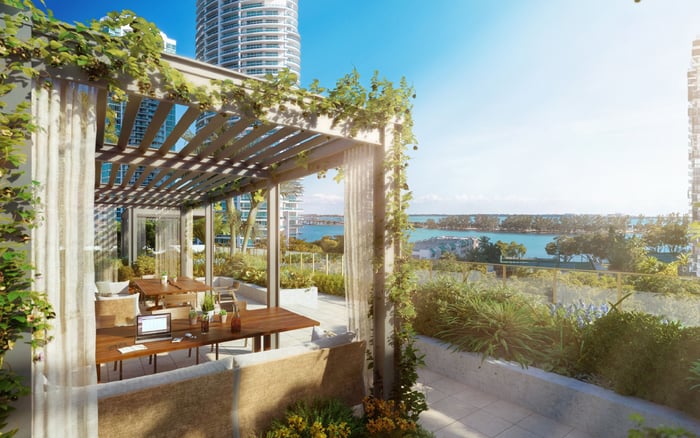
For Brickell buyers, water-service resilience deserves the same scrutiny as finishes and views. A focused review of pump capacity, maintenance records, emergency power and upper-floor interruption procedures can separate documented capability from reassuring language.
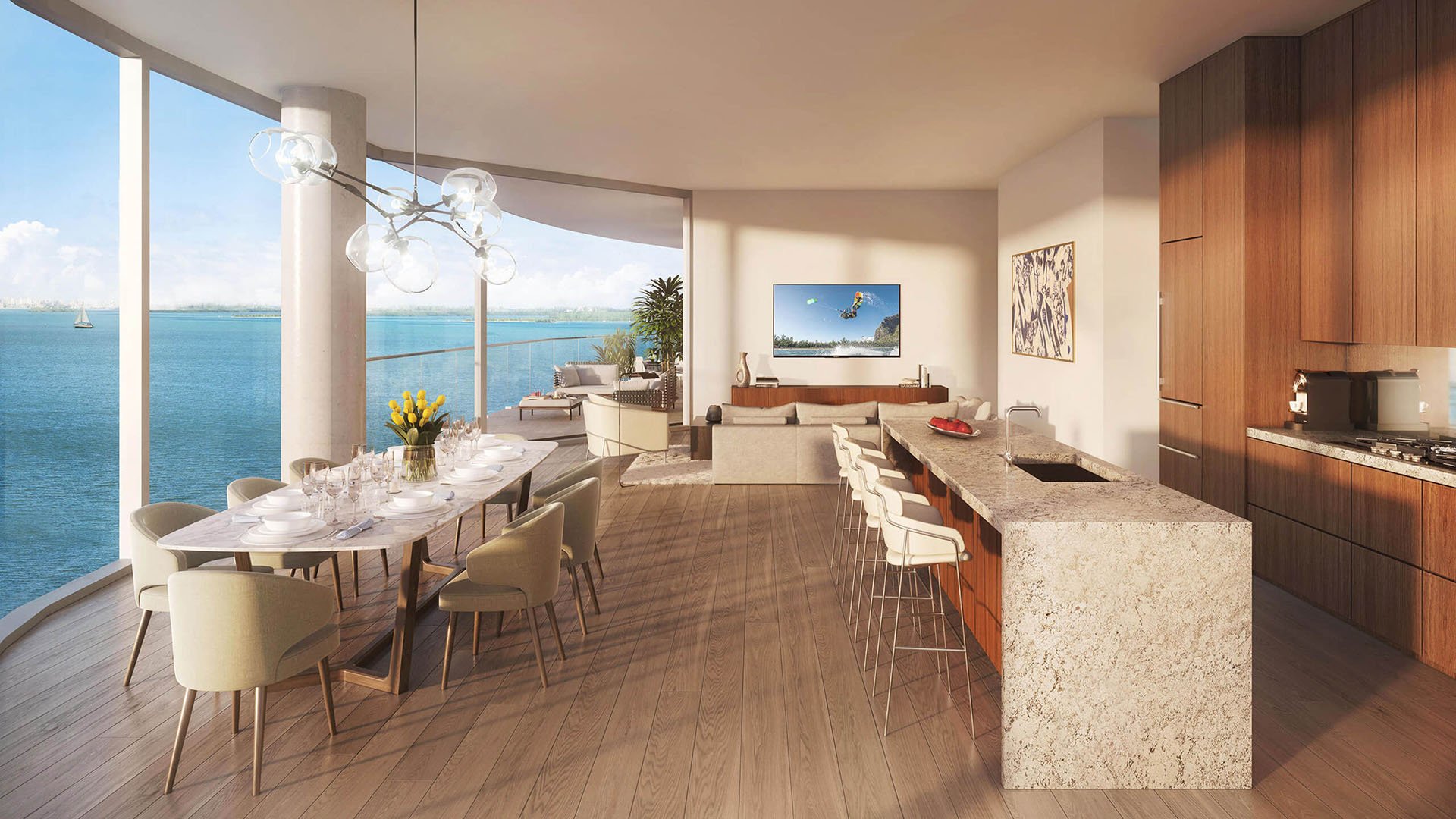
In a Brickell residence, luxury includes the quiet expectation that ordinary routines remain ordinary. Water pressure belongs in that conversation, alongside privacy, the arrival experience and the quality of interior finishes. For an upper-floor buyer, the question is not simply whether a building has booster pumps. It is what the domestic-water system can deliver when equipment, incoming pressure or power is compromised.
Whether considering Una Residences Brickell or another address, treat resilience as a document-backed inquiry, not an amenity description. No pump configuration, emergency-power connection or interruption history is established here for any named development. The checks below are suggested buyer due diligence, not assertions of building features or universal legal requirements.
Ask qualified building personnel to explain how the domestic-water system maintains pressure at the intended residence. Request identification of the pumps, tanks and controls involved, rather than treating the presence of a booster as evidence of uninterrupted service.
Ask whether the system has a protective low-pressure cutoff, what triggers it and how service is restored after it operates. Have the building’s qualified technical team confirm the applicable requirements and documented settings; do not assume a universal threshold for the property under review.
For a purchaser, the distinction matters: an interruption may reflect a protective shutdown rather than neglected maintenance. Ask building personnel to explain separately how the system responds to a pump failure, an electrical outage and inadequate utility pressure. A single assurance that there is “backup” does not answer all three.
Start with the pump schedule, rated capacities, control sequence and identification of any standby equipment. Ask whether the remaining equipment can serve the highest occupied floor after one pump fails, and request the technical basis for the answer. Pump count alone cannot resolve that capacity question.
For a residence under consideration at The Residences at 1428 Brickell, extend the review to domestic-water riser and pressure-zone diagrams. Request drawings identifying tanks, isolation valves and bypasses, then ask for an explanation of the zone serving the intended residence.
The objective is to connect equipment capability to the actual home. Ask which components serve its floor, what happens when one is unavailable, and whether the transition to standby operation is automatic or requires authorized staff. The answers should describe a specific operating sequence, not offer a tower-wide slogan.
A statement that a building has a generator should prompt a more precise request: written confirmation that the domestic-water pumps are connected, including any load-shedding restrictions. Ask which equipment the connection covers and how management verifies its operation.
Keep fire-protection documentation separate from the household-water review. Do not treat information about fire pumps as confirmation that showers, sinks and other domestic fixtures retain service during an outage; request evidence specific to the domestic-water system.
Even a confirmed generator connection does not explain what happens when incoming water pressure becomes inadequate. Ask how the documented control sequence addresses that condition.
Request the last 24 months of maintenance invoices, repair records, alarm histories, pressure complaints and relevant association minutes. Read them together. Ask management to connect recurring complaints or alarms to the work performed and the verification that followed.
When evaluating Cipriani Residences Brickell, distinguish planned service arrangements from completed maintenance records. Apply that distinction to any purchase: a proposed operating commitment and a documented service history answer different questions.
Vendor readiness deserves separate attention. Ask for contracted response times, an inventory of critical replacement parts and the escalation contact when the regular technician is unavailable. Request records of controls, cutoff, alarm, check-valve and backflow testing. These are practical review requests, not a claim that every building must maintain an identical package.
Request applicable utility approval documentation and ask qualified personnel to explain any operating restrictions relevant to the building’s booster arrangement. Include backflow protection in that review without assuming that a particular configuration is approved.
Ask management how it prepares for planned utility work or an unexpected incoming-pressure event. Who monitors pressure, determines whether operating changes are appropriate and coordinates with the utility? Request an explanation of how upper-floor service is checked during and after an interruption.
Keep the review focused on qualified maintenance personnel, monitoring and authorized operating changes. Residents should not be expected to reset controls or improvise pump adjustments themselves.
For St. Regis® Residences Brickell or any other shortlisted property, ask for the written domestic-water interruption procedure. A useful review should address four elements:
Location and scope: How staff determine whether the problem affects a unit, riser, pressure zone, tower or incoming utility supply.
Operating authority: Who may isolate pumps, switch to standby equipment, reset controls or authorize temporary changes.
Escalation: Which qualified staff and vendors are contacted, and who coordinates communication with the utility.
Resident communication: How affected floors, expected duration, emergency contacts, update timing and restoration testing are communicated.
Ask management to explain how the procedure would apply to the intended residence. Who receives the first complaint? Who checks the relevant pressure zone? Who confirms restoration at upper-floor fixtures? The value lies in clear responsibility and a usable sequence, not the document’s length.
Request pressure readings at lower-, middle- and upper-floor fixtures, with qualified personnel explaining the conditions under which they were taken. Ask how those observations relate to the proposed residence and the documented control sequence. A reassuring reading during one visit should not replace a review of interruption procedures and equipment capability.
Organize the decision around three deliverables: a system explanation, a service record and a response plan. Keep unresolved questions specific, especially those concerning standby capacity, domestic-water emergency power and authority during a low-pressure event. That approach turns a broad promise of resilience into a focused assessment of everyday continuity.
For a considered approach to Brickell ownership, explore South Florida residences with MILLION.
If branded residences are on your mind — as a home or as an allocation — we would be glad to share what we are seeing, privately.
Begin a quiet conversationDo not treat pump presence alone as proof of uninterrupted service. Ask qualified personnel to explain standby capacity and the response to equipment, power and incoming-pressure interruptions.
Ask whether the system has one, what triggers it and how service is restored after it operates. Have qualified building personnel confirm the applicable requirements and documented settings.
Request the pump schedule, capacities, control sequence and standby designation. Ask whether the remaining equipment can serve the highest occupied floor after one pump fails.
Domestic-water riser and pressure-zone diagrams help identify the equipment serving the intended residence. Request identification of tanks, isolation valves and bypasses as well.
No. Obtain written confirmation that domestic-water pumps are connected and ask about any load-shedding restrictions.
Do not use fire-pump information as confirmation of backup service for showers or sinks. Request documentation specific to the domestic-water system.
A suggested review covers the last 24 months of maintenance invoices, repair records, alarms, pressure complaints and relevant association minutes. This is a due-diligence recommendation, not a universal legal requirement.
It should address the affected service area, operating authority, escalation contacts and resident updates. Ask how restoration will be verified at upper-floor fixtures.
Operating changes should be handled by qualified, authorized personnel. Buyers should verify who may reset controls, switch equipment or authorize temporary adjustments.
No specific pump configuration, emergency-power connection or interruption history is established here for the named projects. Each property requires its own document review and technical confirmation.