A buyer’s guide to distinguishing advertised privacy from documented access control in Bay Harbor Islands, with practical checks for elevator permissions, guest authentication, service circulation, and outage readiness.
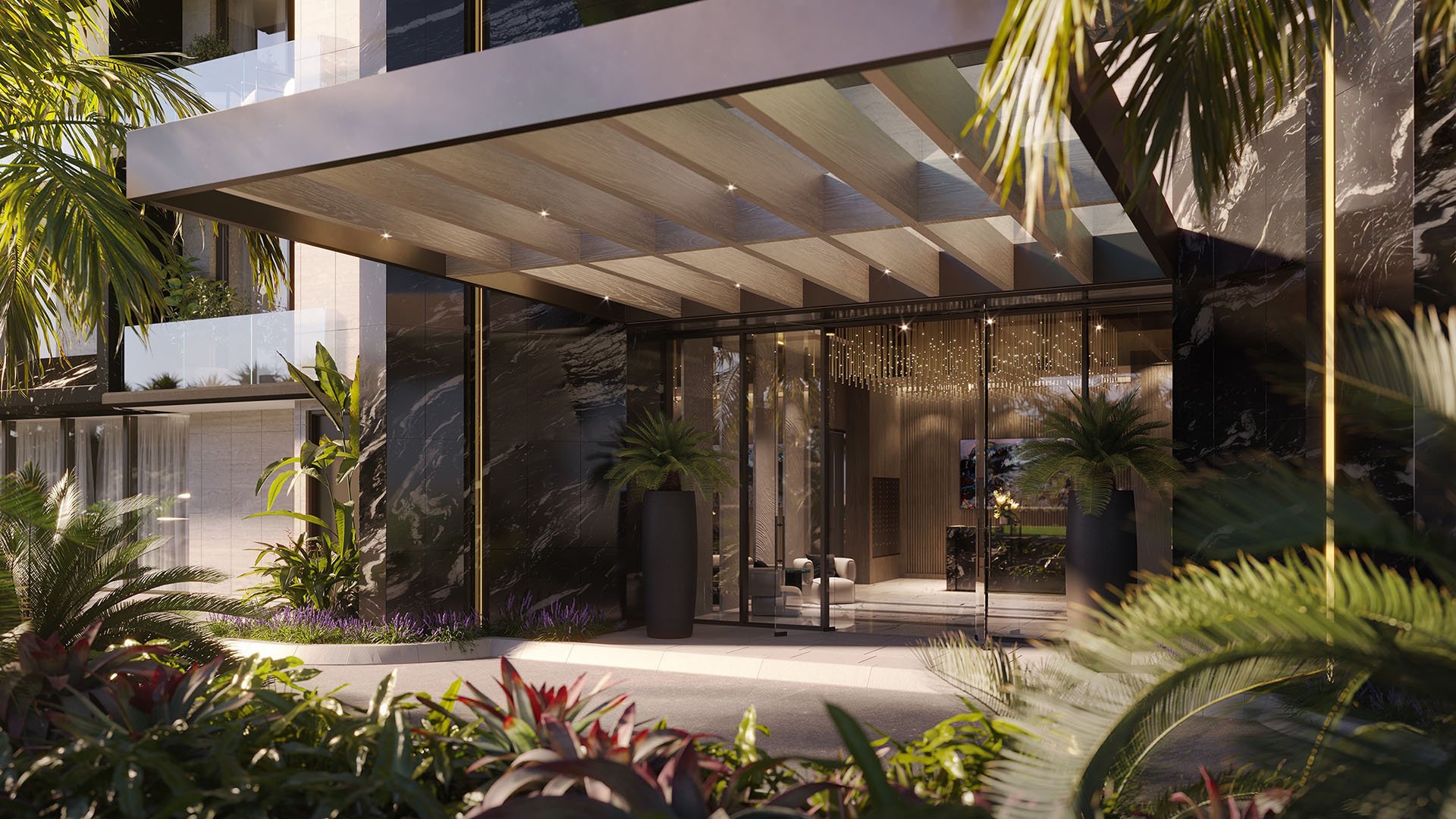
A private elevator can make arrival feel effortless. For a buyer in Bay Harbor Islands, however, the more consequential questions come before its doors open: who authorizes the journey, which destinations a credential permits, and how an unexpected visitor is handled. Privacy is an architectural experience; access control is an operating discipline.
The distinction matters when comparing residences described with private foyers, concierge service, secured lobbies, and valet. These are meaningful advertised features, but they do not establish independently audited security performance. Some descriptions also concern preconstruction offerings, so buyers must distinguish a promised arrangement from one that can be demonstrated.
A useful purchase review separates three questions: who can reach the residence, how visitors are authenticated, and whether service traffic follows a genuinely distinct route. Outage readiness warrants a separate review, not an assumption that these systems will operate unchanged during an interruption.
At Bay Harbor Towers, 10141 E Bay Harbor Drive, the advertised offering comprises 44 residences with private elevators and entry foyers. That describes the arrival experience, not the detailed permissions governing residents, guests, staff, or emergency access.
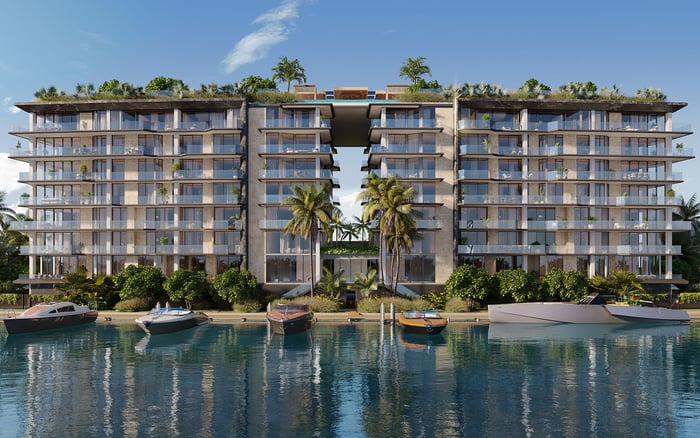
At Riva Bay Harbor, the described arrangement includes two elevator banks providing private elevator access to residences above ground level. At Vista at Bay Harbor, 9290 W Bay Harbor Drive, advertised features include a key-fob-activated high-speed elevator, without specifying floor-by-floor credential restrictions. These descriptions are not equivalent.
Direct-to-residence entry concerns where the elevator opens. A private or semi-private foyer concerns the arrival space and whether it is shared. A credential-controlled shared elevator concerns authorization to use a shared system. None of these terms, standing alone, answers every access question.
Ask management to explain the permissions assigned to each credential category and, where available, demonstrate the arrangement with authorized staff. Establish whether access is limited by destination, whether guest travel requires resident approval, and how lost credentials are disabled. For a proposed system, request the written specification and clarify which details remain subject to change. The aim is a clear account of normal operation, not an unsupervised security test.
At La Baia North Bay Harbor Islands, 9481 E Bay Harbor Drive, advertised features include electronic-fob-controlled access to common areas, elevators, and amenities. A 24/7 front desk and full-service valet for residents and guests are also advertised. Neither amenity establishes how visitor identity is checked.
The same distinction applies elsewhere. At Riva, advertised features include 24-hour security, 24-hour concierge service, and valet attendants. At Kai at Bay Harbor Islands, 9940 W Bay Harbor Drive, they include around-the-clock front-desk service and security, concierge assistance, a secure lobby, secured parking, and an intercom to the front desk. Those descriptions do not specify visitor logging, identity checks, or temporary credentials.
Request a written guest procedure covering resident approval, identification checks, registration, permitted destinations, temporary access, and expiration. Ask how an unannounced visitor is handled when the owner cannot be reached, and whether advance approval can be withdrawn. Confirm who may authorize access on behalf of the household.
For a discreet residence, the objective is not an elaborate arrival ritual. It is a consistent decision process that remains clear when the familiar concierge is off duty.
At 1135 103rd Street, Unit 304, the advertised features explicitly pair private elevator access with a service entrance. That is useful residence-level information. It does not establish a building-wide loading route, dedicated service elevator, or contractor-screening protocol.
Other advertised details at the same address include secured elevator access, card entry, a secured lobby, secured parking, fire alarms, and smoke detection. Keep those features distinct from any conclusion about service circulation.
Ask management to walk you through the route from delivery arrival to the residence. Determine whether a service door connects to separate circulation or simply provides another entrance from a shared area. Then request the rules for contractor registration, delivery scheduling, escort requirements, and access outside approved hours. Physical separation and procedural separation are different questions; both deserve an answer.
Clara Bay Harbor, at 10281 W Bay Harbor Drive, illustrates another limit to what advertised features establish. Rental features include 24-hour valet, an attended lobby, key-card entry, building security, and lobby monitoring. They do not confirm private elevators, service elevators, or a physically separate service entrance.
A controlled arrival under normal conditions does not establish what happens during an outage. Request documentation addressing backup power, emergency overrides, elevator availability, access-control continuity, and surveillance coverage. The advertised features discussed here do not establish those capabilities.
At Vista, advertised features include 24-hour front-desk concierge and valet service, together with a security system featuring 24/7 surveillance cameras. That description does not identify which equipment has backup power, what areas cameras cover, or how access is managed if electronic systems are unavailable.
Ask management to distinguish routine access permissions from emergency procedures and explain how residents receive instructions during a disruption. The review should respect life-safety requirements rather than presume that maximum restriction is always appropriate. Request current documentation and the date of the most recent relevant test or review. The existence of equipment is not proof of performance.
For an owner who is frequently away, access decisions may involve household staff, property managers, visiting family, and contractors. Ask whether these roles receive distinct permissions, how authorizations are withdrawn, and who maintains the approved-contact list. These are questions to resolve, not capabilities to assume.
Buyers also considering Bal Harbour, including Rivage Bal Harbour, should carry the same questions into that comparison rather than infer equivalent controls from similar amenity language. Compare the documented arrangements for each residence and building, not the elegance of the terminology.
Before committing, assemble a concise file: the residence plan, elevator-access description, guest procedure, service-route explanation, and emergency-access documentation. Have the relevant professionals reconcile material differences between the advertised offering, governing documents, and management’s explanation.
A secured elevator should not become a private elevator in the buyer’s understanding. At 9110 W Bay Harbor Drive, Unit 5, the advertised doorman, secured elevator and garage, guards, and secured lobby do not confirm private elevator entry for every residence.
The strongest choice is not necessarily the building with the longest security description. It is the residence whose arrival experience, operating rules, and contingency arrangements are understood before ownership begins.
Explore a more considered approach to South Florida residential ownership with MILLION.
If branded residences are on your mind — as a home or as an allocation — we would be glad to share what we are seeing, privately.
Begin a quiet conversationNo. The description does not establish who can authorize travel or which credentials permit access to the residence.
Bay Harbor Towers advertises 44 residences with private elevators and entry foyers. Detailed access permissions still require confirmation.
Riva describes two elevator banks providing private elevator access to residences above ground level. That does not specify the complete credential or guest-access policy.
La Baia North advertises electronic-fob-controlled access to common areas, elevators, and amenities. Its front desk and valet offerings do not establish visitor identity-checking procedures.
Vista advertises a key-fob-activated high-speed elevator, but the description does not specify floor-by-floor credential restrictions.
Request details on resident approval, identification checks, registration, permitted destinations, temporary credentials, and expiration. Clarify how unannounced visitors are handled when the owner is unavailable.
Yes, its advertised features pair private elevator access with a service entrance. That residence-level description does not establish a separate building-wide delivery route.
The advertised rental features discussed here do not confirm private elevators, service elevators, or a physically separate service entrance.
Request documentation covering backup power, emergency overrides, elevator availability, access during outages, and surveillance coverage. Advertised access amenities do not establish these capabilities.
Trace the delivery route with management and determine whether it uses separate circulation or a shared area. Review contractor screening, scheduling, and access rules separately.