A South Florida cash purchase through a revocable trust removes mortgage-lender conditions, not the need to resolve trustee authority, title coverage, property insurance and contractual closing obligations.

For a South Florida buyer acquiring a residence through a revocable trust, paying cash removes one layer of closing complexity: the mortgage lender. It does not combine title protection, property insurance, trustee authority and contractual deadlines into a single approval. Each requires a separate answer before funds move.
The essential distinction is between being able to fund a purchase and being prepared to assume ownership. An insurance-binding restriction may prevent a financed buyer from satisfying a lender’s conditions. For a cash buyer, that condition is absent, but property-loss exposure and the purchase agreement still matter. Cash removes the lender’s gatekeeping, not the buyer’s need for protection.
A revocable trust can own Florida real estate. Closing still requires someone authorized to act for it; being a beneficiary does not, by itself, establish that authority. Before finalizing signing arrangements, ask the closing attorney to confirm the trustee’s powers and the proposed deed vesting.
A certification of trust can establish trust and trustee information. Relevant trust excerpts may also be needed to verify authority for the particular transaction. Having an attorney prepare the deed is a prudent way to align the acquisition with the intended ownership structure.
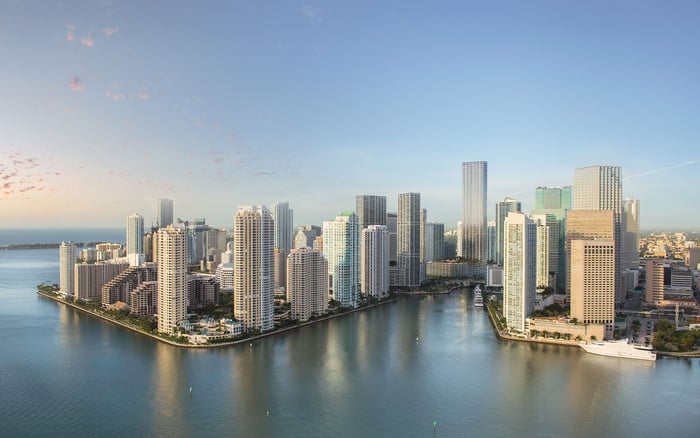
For a buyer considering Una Residences Brickell, the practical question is not whether a trust is an elegant ownership vehicle. It is whether the documentation supports this purchase, this signer and this deed. The same discipline applies across Brickell, regardless of the residence selected.
Do not confuse a new acquisition with property a trustee receives from a settlor or estate. Florida’s statutory relief concerning title insurance or proof of marketable title addresses that specific receipt of property, until marketable title is required for a sale or conveyance. It is not a blanket exemption from title review for a trust buying a residence.
A cash purchase does not require a lender’s title policy. An owner’s title policy serves a different purpose: protecting the buyer’s investment against covered title defects and ownership risks. Although owner’s title insurance is not legally required in Florida, its optional status does not make those risks disappear.
Read the title commitment carefully. Its requirements identify matters that must be satisfied before the policy is issued; its exceptions identify matters that will remain outside coverage. Ask the closing attorney to distinguish unresolved requirements from exceptions the buyer would accept. The purchase agreement determines who pays the premium.
In Coconut Grove, a purchaser evaluating Park Grove Coconut Grove should keep title review separate from the property-insurance discussion. Title insurance addresses covered ownership risks. Homeowners insurance addresses physical property damage within its coverage terms. Neither substitutes for the other, and trust ownership does not erase the distinction.
Cash still requires an orderly closing sequence. Arrange for the funds needed to complete the purchase to reach the closing agent before or on closing day. Confirm the required amount and timing with the closing team; account liquidity alone is not the final step.
Buyer documents in a cash transaction may be executed electronically. That does not mean every document in the closing package has the same execution requirements. Ask which documents the authorized trustee must sign, which may be signed electronically and which require a different execution arrangement.
Resolve these questions before the scheduled closing so funding and document execution do not compete for attention with an emerging insurance issue.
Homeowners insurance is generally not required by Florida law, although mortgage lenders ordinarily require coverage to protect their collateral. A cash buyer has no mortgage lender imposing that funding condition. Remaining uninsured, however, leaves the buyer exposed to property losses.
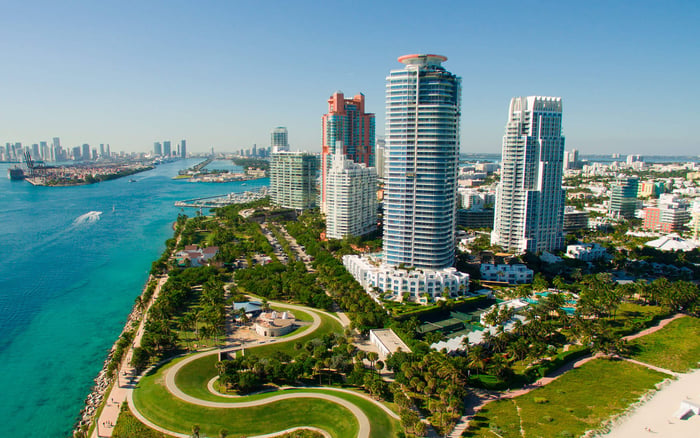
For a Miami Beach buyer considering The Perigon Miami Beach, the practical question is whether appropriate coverage can be bound for the intended ownership and effective date. A premium quote alone does not answer it.
An insurance binder provides temporary evidence that coverage has been bound while full policy documents are issued. Ask the insurance professional to confirm the effective date, how the trust ownership will be treated and what evidence of coverage will be available for closing. Check any association insurance requirements and the acceptability of a binder for the particular purchase. A general explanation cannot establish a building’s requirements.
Many insurers pause new policies or coverage increases when tropical-storm or hurricane watches or warnings trigger binding restrictions. Those triggers vary. A carrier may use watches, warnings or geographic restrictions; no single rule should be assumed for every Florida purchase.
Ask the selected insurer whether binding remains available, what restriction applies and whether the intended effective date can be secured. Do not treat an earlier quote as confirmation that coverage can still be bound as closing approaches.
In a financed transaction, a binding suspension can delay closing because the lender normally requires bound homeowners coverage before funding. In a cash transaction, the same suspension presents a different problem: the buyer must weigh insurance exposure alongside contractual obligations. The absence of a lender resolves neither.
The purchase contract governs closing obligations and deadlines. An inability to bind insurance does not, on its own, establish an automatic extension, a termination right or protection for the deposit. Nor does the general absence of a statutory homeowners-insurance requirement establish permission to close uninsured under a particular agreement.
If binding becomes unavailable, bring the carrier’s position to the closing attorney promptly. Ask counsel to identify the relevant contract provisions, evaluate the consequences of proceeding or postponing, and advise whether an agreed extension is needed. A preference to wait is not a contractual right to wait.
For a West Palm Beach search that includes Alba West Palm Beach, apply the same closing discipline: confirm trustee authority, review deed vesting, understand title requirements and exceptions, and obtain a clear answer on bound property coverage.
Before authorizing the final steps, have the closing attorney and insurance professional resolve their respective questions. If a problem remains, identify its effect on the contract rather than relying on “all cash” as reassurance. This is a framework for transaction-specific legal and insurance advice, not a substitute for it.
For a discreet perspective on South Florida residences and the decisions surrounding their acquisition, explore MILLION.
If branded residences are on your mind — as a home or as an allocation — we would be glad to share what we are seeing, privately.
Begin a quiet conversationYes. The closing team should confirm trustee authority and deed vesting, with an attorney preparing the deed for the intended trust ownership.
Beneficiary status alone does not establish authority to act for the trust. The signer must have authority for the transaction.
A certification of trust can establish trust and trustee information. Relevant trust excerpts may also be needed to verify transaction authority.
A cash purchase does not require a lender’s title policy. An owner’s policy can separately protect the buyer against covered title risks.
No, but declining it leaves the buyer without that protection against covered ownership risks. The purchase agreement determines who pays the premium when a policy is obtained.
Review the requirements that must be satisfied before policy issuance and the exceptions that will remain outside coverage. These are distinct parts of the title review.
No. A binder provides temporary evidence that coverage has been bound, while a quote alone does not establish bound coverage.
No. Restrictions vary by insurer and may involve watches, warnings or geographic limits, so the selected carrier’s rule must be confirmed.
No. Although there is no mortgage lender imposing an insurance-funding condition, property-loss exposure, contractual obligations and any applicable association requirements still need review.
No automatic postponement right should be assumed. The purchase contract governs deadlines and obligations, and counsel should evaluate whether an extension is available or must be negotiated.