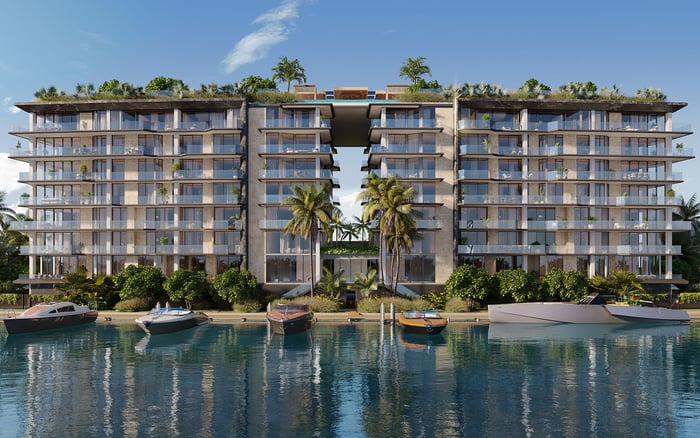
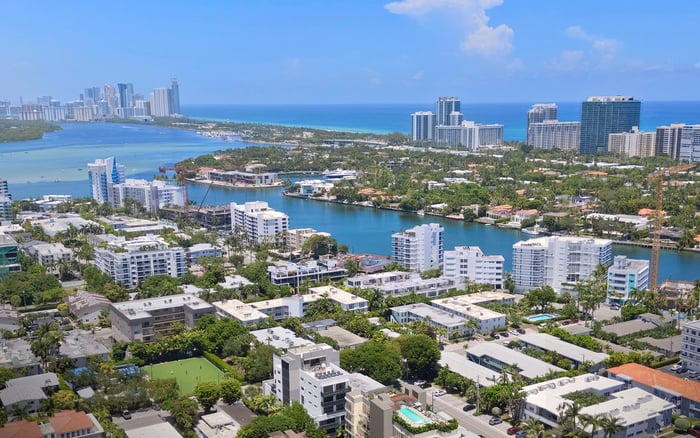
A buyer-focused guide to separating finish specifications from warranty obligations at Bay Harbor Towers, with attention to Florida’s statutory clocks, component-level documentation, and post-closing responsibilities.
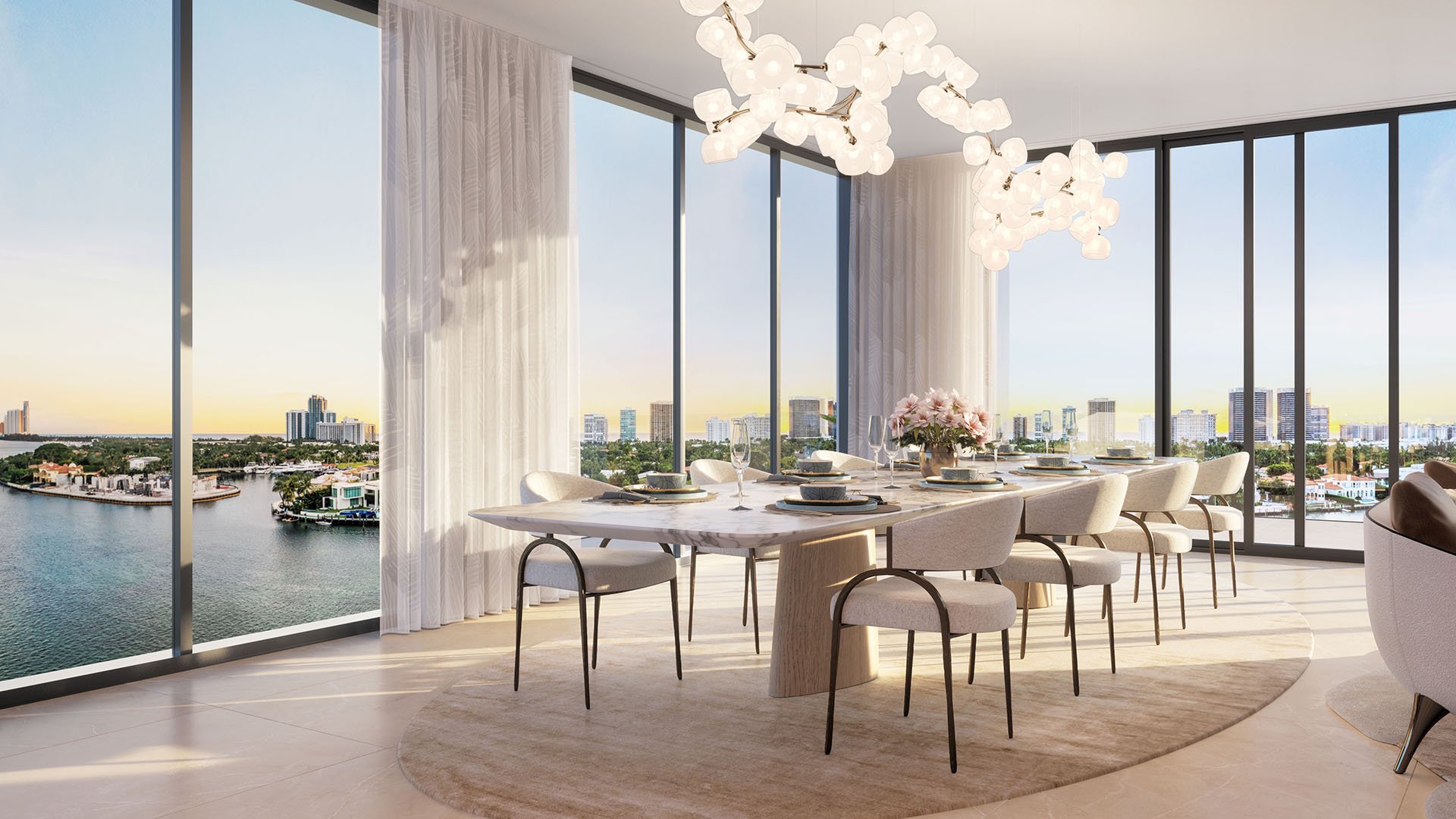
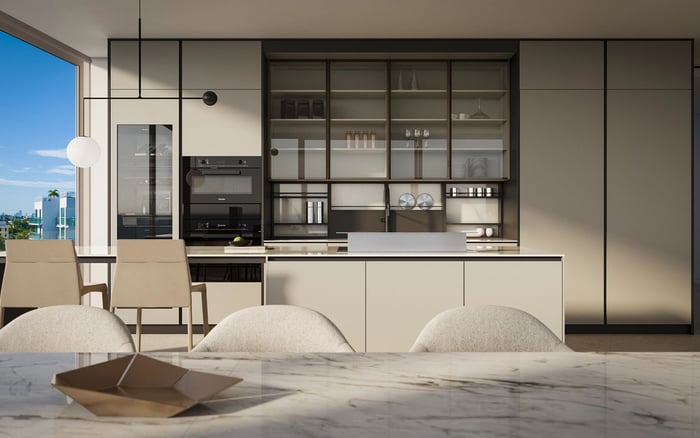
At Bay Harbor Towers, listed at 10141 E Bay Harbor Drive in Bay Harbor Islands, warranty obligations deserve the same attention as interior selections. Described specifications include interiors by Interiors by Steven G., oak cabinetry, marble countertops, high-end appliances, sculptural soaking tubs, and glass-enclosed showers. Those descriptions establish a design vocabulary, not a promise of repairs after closing.
For a buyer, the distinction is consequential. A cabinet door, an appliance motor, and a shower fitting may share a carefully composed room yet raise different questions about responsibility, coverage, and timing. The objective is to understand which obligation applies to which defect-not to secure a blanket assurance that everything is covered.
A useful closing file pairs the residence’s specifications with the applicable warranty documents and governing dates, rather than treating possession as a universal starting point.
Florida condominium law establishes developer implied warranties of fitness and merchantability for condominium purchasers. Coverage periods vary by component, and that distinction should guide the review.
For each unit, the developer’s implied warranty runs for three years from completion of construction of the building containing it. It does not automatically begin on the buyer’s closing date. Ask counsel to identify the applicable construction-completion date and explain how it affects the protection remaining when ownership changes hands.
A separate provision governs roofs, structural components, and specified building-serving mechanical, electrical, and plumbing elements. That warranty ends three years after construction completion or one year after nondeveloper owners obtain association control, whichever is later, subject to a five-year maximum after completion. The turnover-linked extension should not be applied to the general unit warranty.
This building-system provision expressly excludes mechanical elements serving only one unit. The exclusion does not mean that such equipment has no protection; it means buyers should not automatically place it within that statutory category.
For personal property transferred with the unit, the developer’s statutory warranty lasts for the manufacturer’s warranty period and begins at closing or possession, whichever occurs first. Component classification matters as much as the calendar.
Begin with the actual appliance schedule, not the phrase “high-end appliances.” Request the warranty booklet for each supplied appliance, along with its model and serial number, delivery documentation, and any registration instructions. Confirm the manufacturer’s start-date rules independently of the statutory developer warranty.
An appliance classified as transferred personal property should not be described as having manufacturer-only coverage. Florida condominium law separately provides a developer implied warranty tied to the manufacturer’s warranty period, starting at closing or possession, whichever comes first.
Look to the purchase and warranty documents for answers to practical questions: Are parts and labor addressed separately? Who evaluates a suspected product defect versus an installation issue? Are service visits, removal, or reinstallation addressed? These are due-diligence questions, not confirmed Bay Harbor Towers terms.
If Onda Bay Harbor is also on a buyer’s shortlist, use the same appliance-document checklist there. A meaningful comparison rests on written obligations and timing, not an assumption that similarly positioned residences offer identical protection.
Oak cabinetry and marble countertops warrant a more precise review than a single “kitchen warranty” label. Request cabinet and millwork warranties separately from countertop documentation, and distinguish the supplied product, its finish, its hardware, and its installation.
For each layer, ask what constitutes a covered defect. Have the documents address alignment, operation, surface condition, and installation concerns rather than presuming that every visible imperfection receives the same treatment. Confirm whether care requirements or exclusions apply without assuming their wording in advance.
At the walkthrough, consider photographing cabinet faces, interiors, hardware, countertop edges, and visible joints. Record concerns precisely enough for another person to locate and assess them. “Kitchen incomplete” is less useful than a dated description identifying the affected component and observed condition.
Treat the punch list and warranty file as separate records. Ask for written procedures explaining how unfinished or questioned items will be documented, acknowledged, and addressed. Do not assume that listing an item determines its legal coverage or extends a warranty period.
The described soaking tubs and glass-enclosed showers bring several components into one visual composition. For warranty purposes, ask separately about the tub, shower glass, hardware, plumbing fixtures, finishes, and installation connections.
Request fixture product warranties and finish warranties, then check whether their terms differ. Ask who assesses an operational concern, a finish complaint, or a suspected installation defect. A surface mark and a performance problem need not raise the same coverage question.
For every component, confirm six essentials in the actual purchase and warranty documents: responsible party, covered defect, start date, duration, exclusions, and claim channel. This is a review framework, not a statement of project policy.
Florida condominium law also establishes separate implied warranty obligations for contractors, subcontractors, and suppliers. Those obligations are distinct from the developer’s. Counsel should assess which may apply rather than treating the first service contact as the only potentially responsible party.
For a buyer also considering Rivage Bal Harbour, the useful comparison is not whether one finish palette appears more substantial. It is whether each purchase file clearly identifies the applicable obligations and remaining coverage periods. Do not infer equivalent warranty terms between projects.
To confirm representations about Bay Harbor Towers, review the brochure and required condominium disclosure documents. Use those materials alongside the purchase agreement and component warranties to resolve questions about what is being delivered.
A separate home warranty contract is another category. Florida defines such contracts around specified repair or replacement costs arising from wear and tear or inherent defects. That product is not interchangeable with the condominium developer’s statutory warranty and should be evaluated on its own terms.
Before closing or taking possession, assemble a component register with the six essentials above, supporting documents, and relevant dates. Request written punch-list procedures and clarify whom to contact for each type of concern. These are buyer requests, not assumed Bay Harbor Towers service arrangements.
For an owner who will not occupy the residence continuously, designate someone to retain photographs, correspondence, service records, and acknowledgments. Have Florida condominium counsel review uncertain classifications and notice requirements before relying on a coverage assumption. A well-organized handover makes a refined interior easier to own without confusing finish quality with a contractual or statutory promise.
For a discreet perspective on South Florida residences and buyer due diligence, explore MILLION.
If branded residences are on your mind — as a home or as an allocation — we would be glad to share what we are seeing, privately.
Begin a quiet conversationNo. Florida’s statutory provisions use construction completion for some components and closing or possession, whichever occurs first, for personal property transferred with the unit.
Under Florida condominium law, it runs three years from completion of construction of the building containing the unit, not automatically from closing.
The turnover-linked provision applies to roofs, structural components, and specified building-serving systems, not the general unit warranty. It is subject to a five-year maximum after construction completion.
Not necessarily. For an appliance classified as transferred personal property, Florida condominium law separately provides a developer implied warranty lasting for the manufacturer’s warranty period.
That provision expressly excludes mechanical elements serving only one unit. This does not establish that such equipment lacks protection under other applicable obligations.
No. Finish specifications do not establish coverage periods, exclusions, or claim procedures; buyers should request the applicable product and installation documents.
Request product and finish warranties, plus clarification of installation responsibilities. Confirm the responsible party, covered defect, start date, duration, exclusions, and claim channel.
No. Keep separate records and request written punch-list procedures rather than assuming a listed item has established coverage or an extended warranty period.
Yes. Florida condominium law establishes implied warranty obligations for contractors, subcontractors, and suppliers that are distinct from the developer’s obligations.
No. Florida separately defines home warranty contracts covering specified repair or replacement costs arising from wear and tear or inherent defects.