For long-term owners in Bay Harbor Islands, a generator is only the beginning of the resilience conversation. A disciplined review separates elevator access and emergency systems from residential cooling, refrigeration, and everyday connectivity.
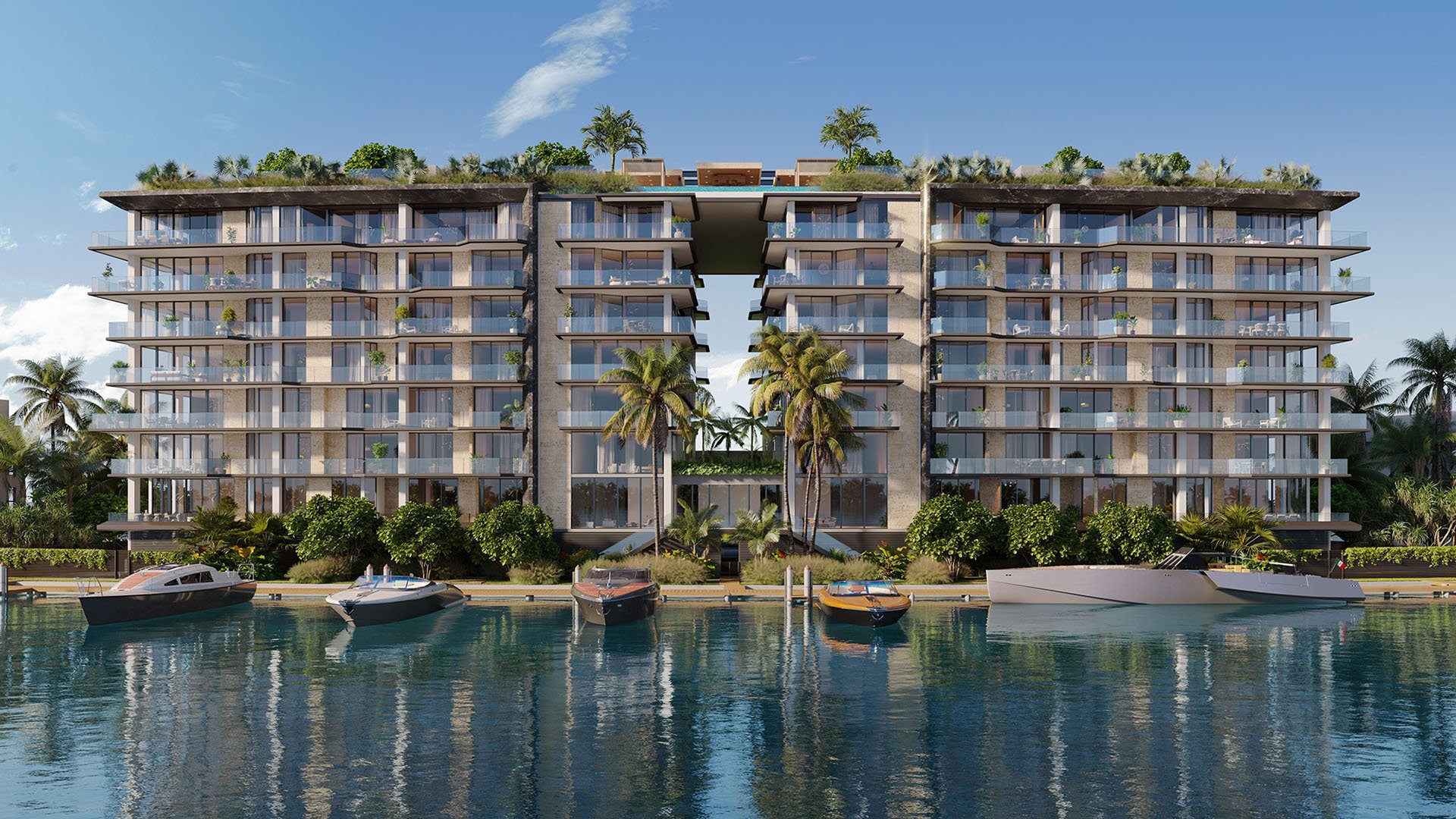
For a long-term owner in Bay Harbor Islands, backup power deserves the same scrutiny as a residence’s layout or waterfront orientation. The question is not simply whether a building has a generator. It is which parts of daily life the system is designed to preserve, under what conditions, and for how long.
Audit elevator access, residential cooling, refrigeration, and connectivity separately. A promise covering one does not establish coverage for the others. Buyers considering Bay Harbor Towers can include these four categories in their document requests without presuming any particular generator configuration.
The same discipline applies when comparing Bay Harbor Islands with Bal Harbour. Keep the ownership standard consistent: documented service to the residence, not a general impression of building resilience.
If offering materials describe backup power for selected residential comforts, that language warrants precise follow-up. Without an equipment schedule, it does not identify whether residential air-conditioning, refrigerators, or telecommunications equipment are included.
An elevator count describes the elevator provision, not the number of cars available during an outage. Likewise, internet and cable pre-wiring or common-area Wi-Fi do not establish backup power for the equipment delivering those services.
Treat amenity descriptions as a starting point, not as an as-built electrical specification or a verified operating record. Request a written schedule identifying supported equipment and circuits. Where a comfort is not identified, record it as unconfirmed, not absent.
Ask the building’s engineer to identify the applicable requirements and intended operating sequence rather than inferring coverage from a general statement about code compliance.
Which elevator cars receive power? Is operation simultaneous or selective? What service is available to your floor? Request an explanation of transfer, restart, and operating restrictions, supported by relevant testing documentation rather than verbal assurance.
Keep the distinction between required service and documented operating capability explicit. Your review should establish what access you can plan around in the specific building, not what another condominium provides.
Cooling requires particular care because the same word can describe very different functions. Backup power for elevator machine-room ventilation or air-conditioning does not establish backup air-conditioning within a residence.
For residential cooling, ask which equipment and controls are included. Request a clear distinction between elevator equipment cooling, common-area conditioning, central cooling equipment, and systems serving individual residences. Confirmation of one category is not confirmation of another.
For a buyer assessing Alana Bay Harbor Islands, this distinction frames the inquiry without assuming coverage. Ask whether the proposed residence has documented cooling continuity and what operating limits apply. If support is partial, identify the rooms or equipment covered rather than accepting an undefined promise of comfort.
Refrigeration deserves its own line in the audit. A general promise of residential comfort does not establish backup power for refrigerators, freezers, or wine storage. Nor does it establish that these appliances lack coverage.
Ask for confirmation at the appliance and circuit level. A useful written response should identify the refrigerator, any separate freezer, and any wine-storage equipment individually. Confirm that the answer applies to the residence being purchased, including any alterations, rather than to a generic floor plan.
For an owner who travels frequently, add an operational question: who will confirm that supported appliances have resumed operation after a transfer or interruption? Establish that responsibility with management or the owner’s representative. This is an ownership protocol to request, not a service to assume.
Emergency communications and household connectivity belong in separate categories. Ask the building’s engineer to explain the backup arrangements for emergency communications independently of ordinary resident internet, telephone, cable, or Wi-Fi service.
Do not treat a runtime statement for one communications system as a promise about the building’s generator or residential amenities.
When evaluating Onda Bay Harbor, request the same service-specific review used elsewhere: identify the equipment serving the residence, determine which components receive backup power, and clarify what external service dependencies remain. Common-area Wi-Fi and an individual residential network should receive separate answers. A connected building in normal conditions does not, by that description alone, have verified outage connectivity.
Translate the conversation into a compact review package for a qualified electrical professional. Request the electrical single-line diagram, generator specifications, transfer-switch information, and schedules identifying emergency and standby loads. Ask that the records reflect the installed configuration and the residence under consideration.
Ask the professional to distinguish equipment compliance from the scope of connected residential services. A generator’s specifications alone do not identify every comfort available inside a residence.
Request maintenance and testing records, the fuel arrangement, and the assumptions behind any runtime statement. Ask whether testing demonstrates the supported services under the intended operating conditions. Record unresolved questions explicitly. A generator specification alone does not fully describe the owner’s outage experience.
Long-term ownership calls for more than a closing-day answer. Ask the association how generator servicing, repairs, fuel arrangements, and eventual replacement are addressed in its maintenance and financial planning. Request a clear procedure for communicating changes to supported loads or operating restrictions.
Keep a residence-specific continuity record with four headings: elevators, cooling, refrigeration, and telecom. For each, note the documented scope, restrictions, responsible contact, and outstanding questions. Revisit it when equipment or the residence changes.
The objective is not to demand that every building preserve every convenience. It is to choose with precision, knowing which comforts are supported and which require a separate personal plan.
For a considered approach to long-term ownership in Bay Harbor Islands, explore residential opportunities with MILLION.
If branded residences are on your mind — as a home or as an allocation — we would be glad to share what we are seeing, privately.
Begin a quiet conversationDo not assume that every elevator is supported. Ask for written confirmation of the supported cars, operating sequence, and service available to your floor.
Without an equipment schedule, it does not identify which residential services receive backup power. Request written clarification of cooling, refrigeration, and telecom coverage.
No. Cooling for elevator equipment is a separate category from common-area conditioning and residential air-conditioning.
Request appliance-specific and circuit-specific confirmation for the residence. Make sure the review accounts for alterations rather than relying solely on a generic floor plan.
No. An amenity description does not establish backup power for the equipment delivering internet service or continuity for an individual residential network.
No. Review emergency communications separately from resident internet, telephone, cable, and Wi-Fi, including any external service dependencies.
Request the fuel arrangement and operating assumptions behind the statement. Confirm which supported loads and operating conditions it covers.
Request electrical diagrams, generator specifications, transfer-switch information, and supported-load schedules, along with maintenance, testing, and fuel documentation. Have a qualified professional review the installed configuration.
Equipment compliance alone does not identify which residential comforts are connected. Ask a qualified professional to review compliance and supported services separately.
Keep a residence-specific record of supported services, restrictions, contacts, and unresolved questions. Revisit it when equipment changes and ask how servicing and replacement are addressed in association planning.