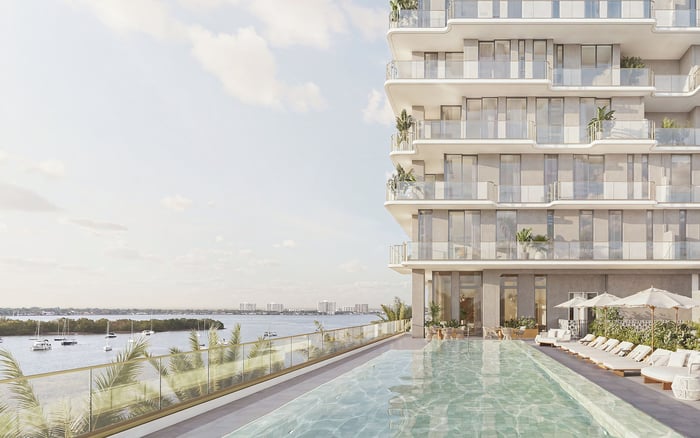
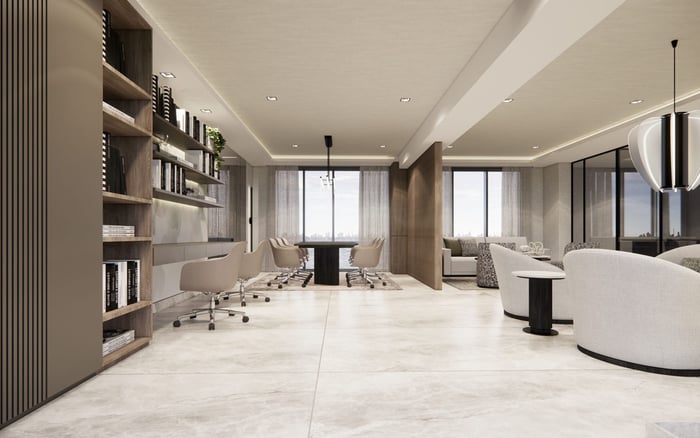
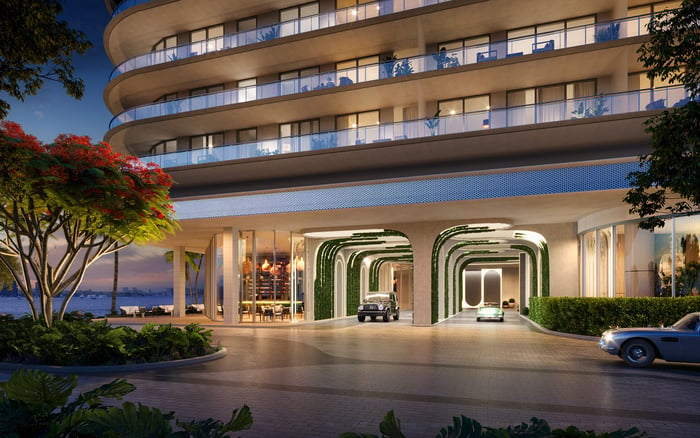
A disciplined review of premium lines at Tula Residences should separate durable positional advantages from marketing labels, with close attention to orientation, elevation, terrace utility and potential view-corridor risk.
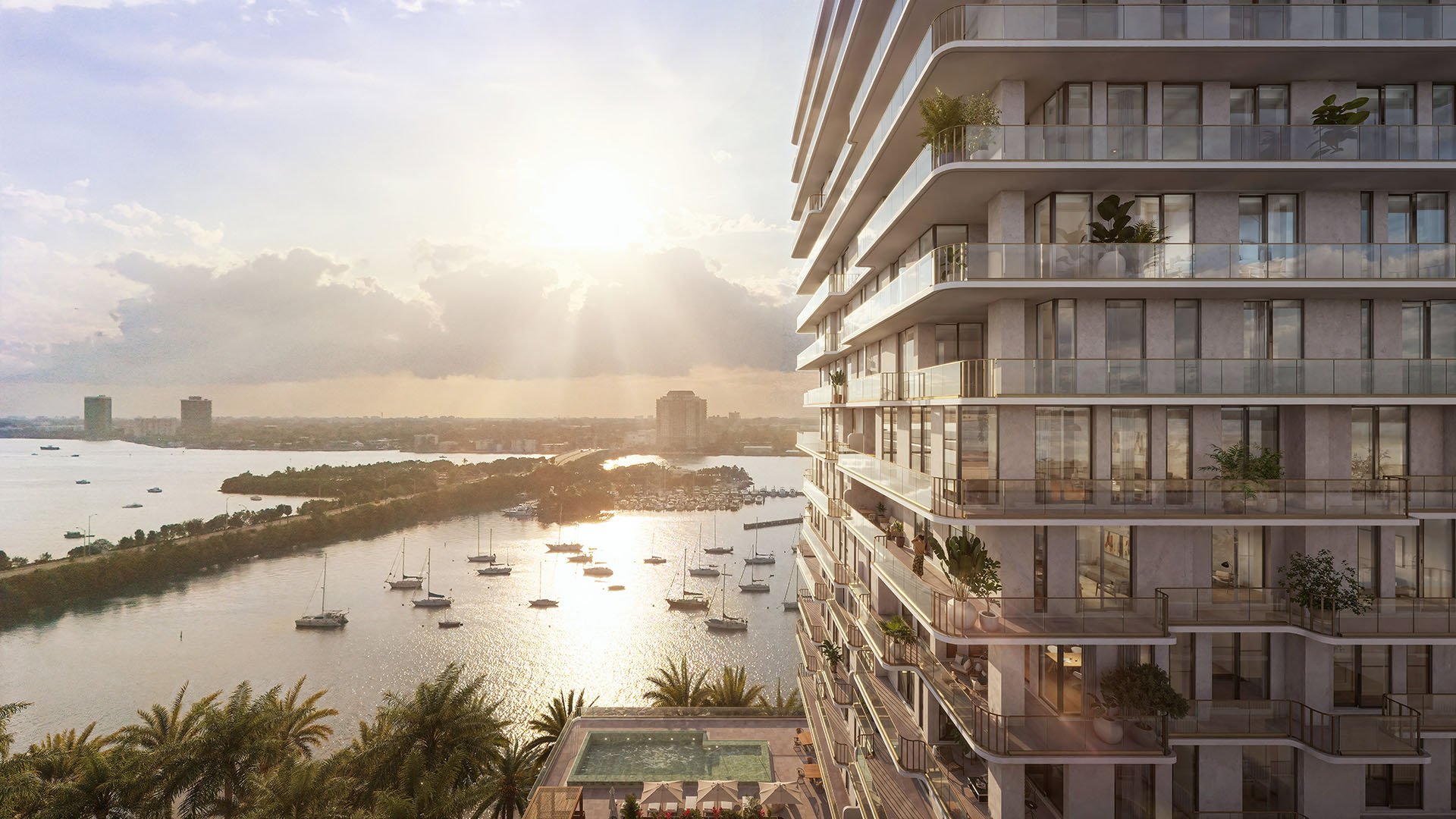
At Tula Residences North Bay Village, buyers considering a premium line should focus on the specific physical attributes of the residence rather than the category assigned to it. Orientation, elevation, corner exposure, terrace geometry, privacy and the relationship between principal rooms and the view can each affect long-term appeal.
A premium is easier to defend when it corresponds to an advantage that another buyer can recognize quickly. A clearer sightline, broader exposure or more functional outdoor area may support differentiation, while a premium based mainly on a floor label or rendering requires greater caution.
Begin with the same line on different floors. Identify whether increasing elevation changes the outlook, privacy, natural light or foreground. If the practical experience appears similar across multiple floors, evaluate whether the price difference reflects a meaningful improvement.
Next, compare adjacent lines at similar elevations. Consider room placement, circulation, usable wall space, bedroom separation and the connection between indoor living areas and the terrace. Total area alone does not explain how comfortably a plan functions.
Finally, compare total price alongside interior utility and outdoor usability. A terrace should be assessed for depth, privacy, wind exposure, furnishing flexibility and access from the rooms that matter most to the buyer.
A higher floor is not automatically the better choice. Elevation may improve a sightline, but orientation and frontage can be equally important. A lower residence with a coherent outlook and practical terrace may be more compelling than a higher residence with a narrower or less private exposure.
Corner positions can warrant additional attention because multiple exposures may affect light, views and room placement. Buyers should still test whether the specific corner configuration provides usable advantages rather than assuming that the label alone supports a premium.
A view premium should be evaluated against the conditions that make the view possible. Buyers can request residence-specific plans, exposure diagrams, terrace dimensions and available view materials, then compare those materials with the surrounding built environment.
Qualified legal and planning advisers can help review neighboring parcels, applicable zoning, existing entitlements and relevant municipal records. The goal is not to predict every future change, but to understand which portions of a sightline appear more vulnerable and which may be more difficult to obstruct.
Renderings can help communicate design intent, but they should not replace residence-specific diligence. Buyers should distinguish between a protected physical advantage and an outlook that depends on another property remaining unchanged.
Residence-level comparisons can also help buyers understand how North Bay Village fits within the broader South Florida luxury market. Continuum Club & Residences North Bay Village and Shoma Bay North Bay Village can provide local project context, while The Perigon Miami Beach offers a Miami Beach comparison.
These comparisons should remain specific to the residence under consideration. Buyers can examine plan efficiency, orientation, terrace design, privacy and the apparent durability of the outlook without assuming that neighborhood-level averages apply equally to every home.
Before reserving, compare the preferred residence with the same line at another elevation and with a different line on a similar floor. Request dimensioned plans and available exposure materials for each option, then document which attributes account for the premium.
Separate durable physical characteristics from assumptions about future surroundings. This creates a clearer basis for deciding whether a premium reflects genuine scarcity, personal preference or a risk that should be addressed through price and contract diligence.
What can make a residence line premium? A premium line may combine favorable orientation, elevation, privacy, terrace utility and a distinctive sightline.
Are all water views valued equally? No. Width, angle, foreground conditions, privacy and potential obstruction risk can affect how a buyer perceives a water view.
How should buyers compare floors within one line? They should identify what changes physically from floor to floor and determine whether that change justifies the added cost.
Why might a corner residence command more attention? A corner position may provide multiple exposures, broader frontage or a different relationship between rooms and views.
Should outdoor area be valued like interior area? Not automatically. Outdoor value depends on usable depth, privacy, exposure, furnishing flexibility and access from principal rooms.
How can buyers assess possible view obstruction? They can review residence-specific materials and ask qualified advisers to examine surrounding parcels, zoning, entitlements and municipal records.
Are renderings sufficient for view analysis? No. Renderings should be considered alongside plans, exposure diagrams and parcel-level diligence.
Does a higher floor always justify a premium? No. The premium should correspond to a meaningful improvement in outlook, privacy, light or another identifiable attribute.
What comparisons are useful before reserving? Compare the preferred home with the same line on another floor and an alternative line at a similar elevation.
What should buyers confirm before making a reservation decision? Confirm the exact residence, plan, dimensions, orientation, terrace configuration, available view materials, pricing, deposit structure and governing terms.
For a tailored shortlist and next-step guidance, connect with MILLION.
If branded residences are on your mind — as a home or as an allocation — we would be glad to share what we are seeing, privately.
Begin a quiet conversation