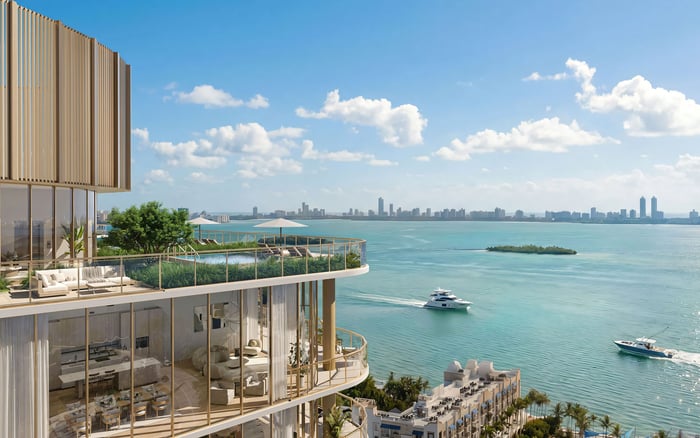
A disciplined guide for Toronto buyers evaluating a Miami Design District residence, from school zoning and household staff protocols to insurance, seasonal use, and preconstruction documents.
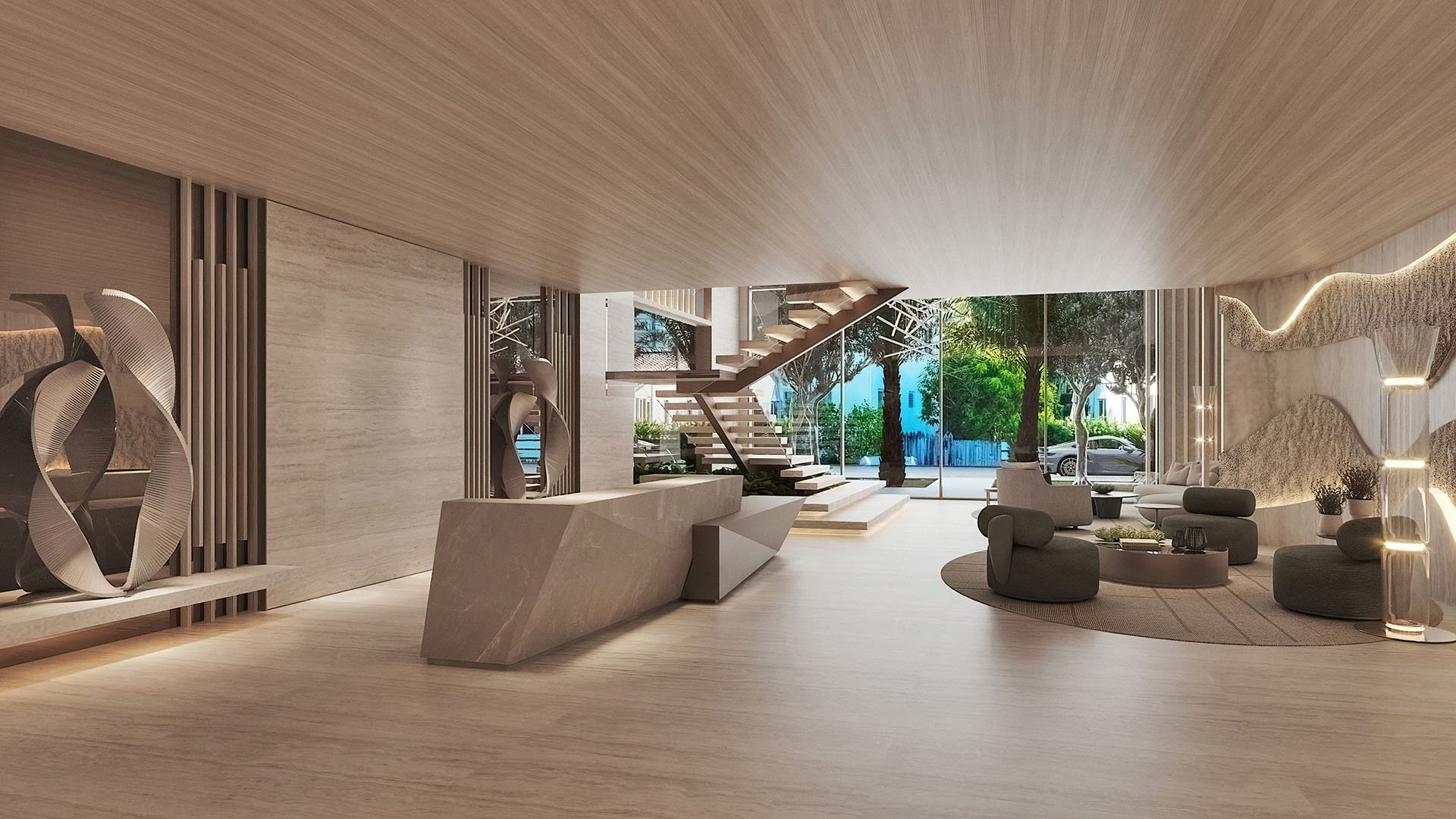
For Toronto buyers evaluating a Miami Design District residence, the purchase should be treated as both a lifestyle choice and an operating decision. The decisive questions concern schools, staffing, insurance, seasonal control, and the governing documents.
A disciplined review should begin with the buyer’s intended use. A full-time family, a seasonal owner, and an investor may need different combinations of access, services, storage, oversight, and leasing flexibility.
Buyers should verify public-school zoning for the precise residence address rather than assume neighborhood branding determines enrollment. This is especially important when comparing properties in different locations or considering a development that will not close immediately.
A private-school search should be conducted separately from public-school zoning. Families can map daily routines from the building entrance, test them during realistic traffic periods, and confirm application timing directly with each institution. The useful question is not merely whether a school appears nearby, but whether the residence supports the family’s full weekday pattern, including drivers, caregivers, activities, and airport departures.
Luxury service is meaningful only when its scope and hours align with the owner’s needs. Request written details on desk coverage, concierge and valet schedules, housekeeping availability, package storage, service-elevator procedures, access controls, and protocols for private household employees.
Buyers considering Kempinski Residences Miami Design District should examine the service proposition line by line. Determine what common charges include, what is billed on demand, and who may enter the residence while the owner is away.
The same discipline applies when comparing Miami Tropic Residences. Request procedures for cleaners, chefs, nannies, drivers, property managers, deliveries, and emergency vendors. A refined arrival experience does not, by itself, explain how a household operates during an owner’s absence.
Condominium insurance should be reviewed in layers. Request the master policy, owner coverage requirements, available flood information, windstorm and hurricane deductibles, loss-assessment exposure, and details of pending or recent insurance-related assessments. Counsel and an insurance adviser can then identify where the association’s responsibility ends and the owner’s begins.
Pay particular attention to whether an association deductible could create material loss-assessment exposure after a storm. Ask how the owner’s policy should address interior improvements, furnishings, art, temporary relocation, water damage, and liability. The objective is not simply to secure a premium quote, but to understand the financial structure of a claim.
Buyers comparing the Design District with nearby alternatives may also consider Villa Miami. The comparison should remain document-led because each building and ownership structure may carry different insurance obligations.
A second-home purchase succeeds when absence is planned as carefully as arrival. Review minimum lease periods, annual rental limits, owner-occupancy provisions, hotel-program obligations, vacancy protocols, guest authorization, vehicle storage, and air-conditioning or humidity-monitoring services. Confirm who checks the residence, how often, under whose insurance, and how an issue is escalated to the owner.
Buyers should also test how the location fits their preferred routines rather than relying on generalized travel estimates. Those prioritizing beach access can include The Perigon Miami Beach as a geographic counterpoint before deciding whether a Design District residence or a Miami Beach alternative better suits their seasonal habits.
Preconstruction buyers should treat prices, completion dates, travel times, amenities, and staffing descriptions as marketing information subject to change. The purchase agreement and condominium documents should control the analysis.
Review deposit timing, cancellation rights, permitted design changes, closing extensions, association budgets, service commitments, leasing restrictions, and the treatment of any hotel component. A Canadian purchaser should also seek appropriately qualified legal, tax, financing, estate-planning, insurance, and currency guidance before signing.
Can Design District branding confirm a public-school assignment? No. Verify zoning using the exact property address and current official boundaries.
Should a family evaluate private schools separately? Yes. Compare admissions timing and the complete weekday route from the building.
Which staff details deserve written confirmation? Confirm desk, concierge, valet, housekeeping, package, access, and service-elevator protocols.
Can private household employees access the residence while owners are away? That depends on building rules, credentials, authorization procedures, and insurance requirements.
What condominium insurance documents should a buyer request? Request the master policy, owner requirements, available flood information, deductibles, and assessment details.
Why are hurricane deductibles important? An association deductible may create loss-assessment exposure for owners after a covered event.
What rules matter most for seasonal occupancy? Review leasing limits, guest access, vacancy checks, vehicle storage, and humidity monitoring.
Does a hotel component guarantee owner services? No. Service availability, charges, access, and owner-use obligations must be confirmed in the documents.
Should buyers rely on published travel times? No. Test relevant routes at realistic times and account for changing traffic conditions.
How should a Toronto buyer approach a reservation or contract? Review the terms and governing documents with appropriately qualified advisers before committing funds.
To compare the best-fit options with clarity, connect with MILLION.
If branded residences are on your mind — as a home or as an allocation — we would be glad to share what we are seeing, privately.
Begin a quiet conversation