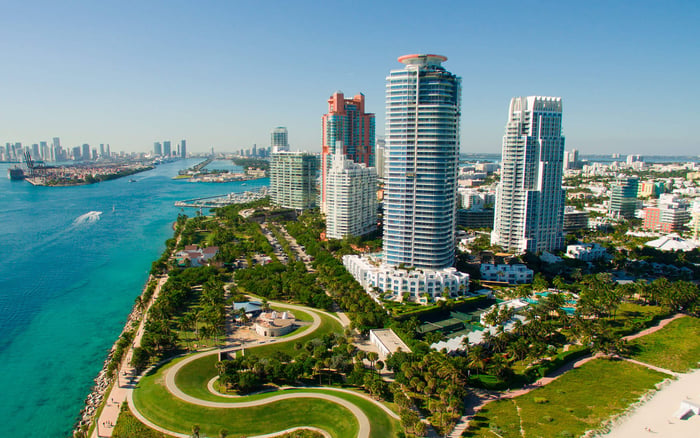
A Toronto-to-South Beach move requires more than a residence selection. Pet-entry planning, veterinary handovers, written building confirmations, and an off-island evacuation strategy can help make the first year feel settled rather than provisional.
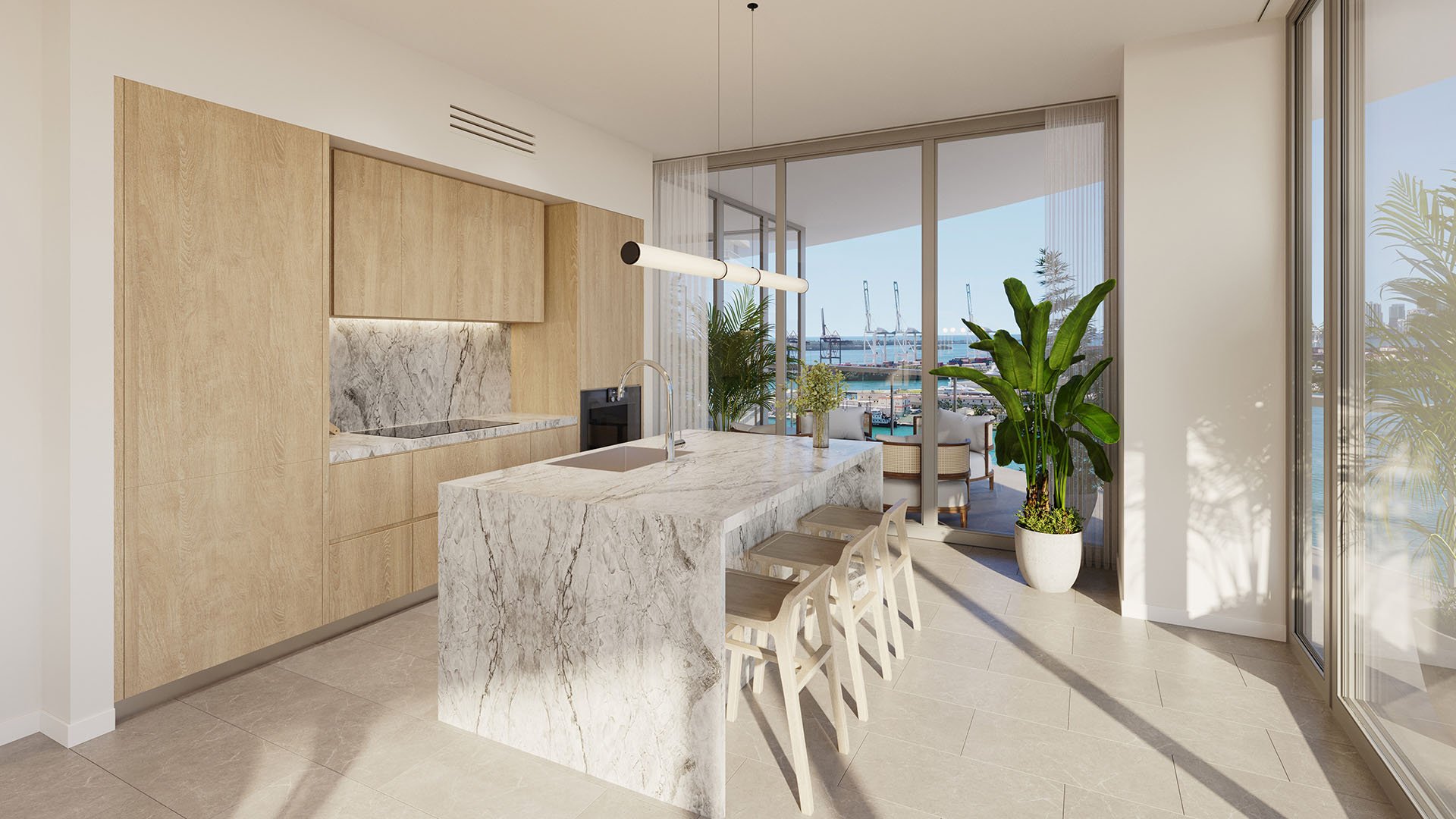
Relocating from Toronto to South Beach means coordinating several interlocking calendars. The purchase or lease may set the ambition, but pet travel, continuity of care, building permissions, and storm planning determine how comfortably the household settles in. Evaluate a residence not only for its outlook and interiors, but also for the practical arrangements that support daily life.
For a buyer considering Apogee South Beach, the question is not simply whether the home suits the family. It is whether the intended arrival date, pet arrangements, and proposed alterations have each been checked independently. Treat these questions as part of property selection, not administrative details to resolve after committing.
The first-year objective is straightforward: build the transition on confirmed arrangements, not assumptions about what a luxury address will accommodate.
A Toronto departure does not create a universal pet-entry checklist. Animals entering the United States from Canada may be subject to federal import requirements and rules administered by more than one agency. Requirements vary by species and travel circumstances, so begin with current, animal-specific federal guidance.
Airline acceptance is a separate matter. Before booking, confirm whether the carrier will accept the animal, which transport arrangements are available, and what documents it expects. An airline checklist is not proof that every border-entry requirement has been satisfied.
International travel can involve veterinary examinations and health certification. That does not make a health certificate, microchip, or vaccination universally required for every pet on this route. Establish what applies to the individual animal and itinerary before scheduling appointments or buying equipment.
Keep a travel file with the applicable documentation and confirmed transport arrangements. Allow time to resolve questions before the household's departure date becomes difficult to change.
Veterinary continuity deserves a separate plan, particularly for an animal receiving ongoing treatment. Before leaving Toronto, ask the treating veterinarian for a usable medical history, recent test results, medication details, and a summary of unresolved concerns. These are recommended handover steps, not local entry requirements.
Contact prospective veterinary practices before arrival to discuss onboarding, appointment availability, and the information needed to evaluate continuing care. Do not assume that a prescription will transfer automatically or that a particular specialist will be available on the preferred timetable. Ask the relevant clinicians how to bridge care safely.
Create a simple household reference with clinical contacts, current treatment instructions, and questions for the receiving veterinarian. If a family member or assistant coordinates the move, establish who will arrange appointments and carry the records. The aim is continuity of information, not a substitute for medical advice.
For buyers comparing Continuum on South Beach with other residences, pet suitability should be established through documentation. A general description of a building as pet-friendly does not confirm that the household's specific animals and intended occupancy are acceptable.
Ask for the current governing provisions and written clarification of relevant restrictions. Questions might cover the number and type of animals, any size restrictions, registration procedures, and rules for shared areas. These are due-diligence questions, not assertions about any named property's policies.
Apply the same discipline to arrival logistics. Ask whether separate resident approval is needed, how move-ins are scheduled, and whether elevator reservations, mover documentation, fees, or deposits apply. Confirm the sequence before coordinating furniture delivery with the family's flight.
When considering Five Park Miami Beach, keep these inquiries separate from aesthetic preferences. A useful comparison file records each question, the written response, the responsible contact, and any unresolved condition. Distinguish confirmed permission from informal expectation-a particularly important distinction when several advisers are coordinating different parts of the move.
A property that suits the household may still invite changes before it feels finished. At Setai Residences Miami Beach, as with any residence under consideration, ask what building consent the exact proposed scope would require. Do not infer permission from the scale of the work.
Municipal permitting is a separate inquiry. Miami Beach administers building permits, and proposed interior alterations should be checked before work begins, especially where plumbing, electrical systems, walls, windows, structural elements, or life-safety systems could be affected.
Avoid making arrival dependent on an unconfirmed construction completion date. Establish an acceptable occupancy plan in case approvals or work remain unfinished.
All of Miami Beach, including South Beach, lies within a storm-surge evacuation zone. When an evacuation order includes the city, the entire city must evacuate. A preferred floor or residence does not change that citywide obligation.
There are no hurricane shelters within Miami Beach or nearby coastal communities. Plan an off-island destination rather than assuming a convenient local shelter will be available. Mainland evacuation centers may open at schools and other facilities, but availability and current instructions must be checked during the event.
For a household with animals, identify an animal-friendly destination and confirm the intended arrangements. Prepare carriers or leashes, food, water, medication, identification, and vaccination records. Establish who will transport each animal and how the plan will work if one owner is away.
County planning uses five storm-surge zones, labeled A through E. Modeled evacuation clearance estimates across county planning scenarios range from 23 to 77 hours; these are neither individual driving times nor a departure countdown. Neither those estimates nor a hurricane category should be treated as an automatic evacuation trigger. Follow issued orders and current official evacuation and shelter information, while keeping the household ready to leave.
Before departure, prioritize the items that determine whether the move can proceed: applicable pet-entry rules, transport acceptance, veterinary handover arrangements, and written building answers. Prepare the off-island plan before arrival rather than waiting until a storm threatens.
During the opening weeks, confirm veterinary follow-through, organize household records, and resolve remaining occupancy or alteration questions. Throughout the rest of the year, revisit the evacuation destination, transport arrangements, and medical file whenever the household's circumstances change. This is a recommended sequence, not a regulatory timetable.
The reward is a quieter kind of luxury: a home whose daily operation has received the same attention as its design.
For a considered approach to selecting your South Beach residence, explore MILLION.
If branded residences are on your mind — as a home or as an allocation — we would be glad to share what we are seeing, privately.
Begin a quiet conversationNo. Requirements vary by species and travel circumstances, so check current animal-specific federal guidance for the intended journey.
No. Airline acceptance and federal entry compliance are separate checks, and both should be addressed before travel.
Those items should not be treated as a universal checklist for every pet. Confirm the requirements applicable to the individual animal and itinerary.
Request medical records, treatment details, and relevant test results from the Toronto veterinarian, then contact prospective receiving practices. These are recommended planning steps, not verified local requirements.
No automatic transfer should be assumed. Ask the treating and prospective receiving veterinarians how continuing treatment should be arranged.
Request current governing provisions and written clarification covering the household's specific animals. Ask whether restrictions, registration steps, or shared-area rules apply.
Yes. Check proposed alterations before work begins, particularly if plumbing, electrical systems, walls, windows, structural elements, or life-safety systems may be affected.
When an issued evacuation order includes the City of Miami Beach, the entire city must evacuate. Hurricane categories and modeled clearance estimates are not automatic evacuation triggers.
No hurricane shelters are located within the city or nearby coastal communities. Plan an off-island destination and check current official shelter information during an event.
Arrange an animal-friendly destination and prepare carriers or leashes, food, water, medication, identification, and vaccination records. Decide who will transport the animals, including when an owner is away.