Miami Art Week 2026 offers South Beach buyers a prospective test of residential operations. Written sound policies, vendor access, catering cleanup and complaint procedures deserve the same attention as views and finishes.
For a South Beach buyer, Miami Art Week poses a useful question: can a residence support an engaging social life while protecting the quiet of home? The answer deserves as much attention as the view, the proportions of a salon or the finish of an entrance hall. Luxury also means receiving guests without making their arrival, departure or dinner service a problem for anyone else.
Miami Art Week 2026 is scheduled for November 30-December 6, with programming across Greater Miami and Miami Beach. The calendar offers a prospective test of building operations-not evidence that any particular condominium will experience disruption. The buyer’s task is to translate an event-filled week into specific questions about rules, access, responsibility and enforcement.
The most revealing distinction is between a reassuring conversation and a written operating procedure. Ask for the latter before deciding whether a building suits your habits.
Art Basel Miami Beach’s public dates are December 4-6, 2026, at the Miami Beach Convention Center, 1901 Convention Center Drive. VIP previews are scheduled for December 2-3. A viewing strategy focused solely on the public weekend would miss part of the scheduled activity.
Art Miami runs December 1-6 at 1 Herald Plaza in Miami, opening with a VIP preview on December 1 and public access beginning December 2. InScope’s debut is scheduled for December 1-6 on the sands of Ocean Drive at 8th Street, with indoor and outdoor art installations and gallery pavilions.
These locations give buyers a framework for comparing a prospective home with their intended itinerary. They do not establish noise levels, travel times or elevator waits. Mark the venues you expect to visit alongside the residence, then examine the sequence of returning home, receiving guests and admitting vendors. Proximity is a lifestyle preference; reliable access requires separate verification.
A general promise of quiet is less useful than a policy that distinguishes interiors, balconies, terraces and shared spaces. Request written quiet hours, amplified-music restrictions and any separate conditions for outdoor entertaining. Ask whether permission for a gathering changes those conditions; do not assume approval grants an exception.
When evaluating Apogee South Beach, for example, frame the inquiry around your own hosting plans: a seated dinner, terrace drinks or music accompanying a reception. The relevant question is what the building’s current documents permit, not what a room appears capable of accommodating.
Enforcement matters just as much. Ask who receives complaints after hours, how staff assess them and how an owner is contacted. During an evening visit, listen from the rooms you would actually occupy, with doors open and closed where permitted. Treat the visit as a snapshot, not a guarantee of future acoustic conditions.
Elevator due diligence should begin outside the building. Ask how a caterer registers, where equipment is unloaded and whether a service elevator requires a reservation. Confirm loading hours, freight access and any event-week delivery restrictions. A reservation is useful only if the vendor can complete the entire route within the permitted window.
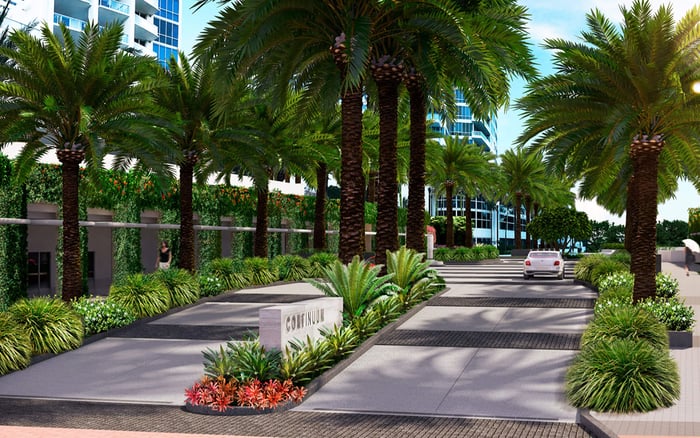
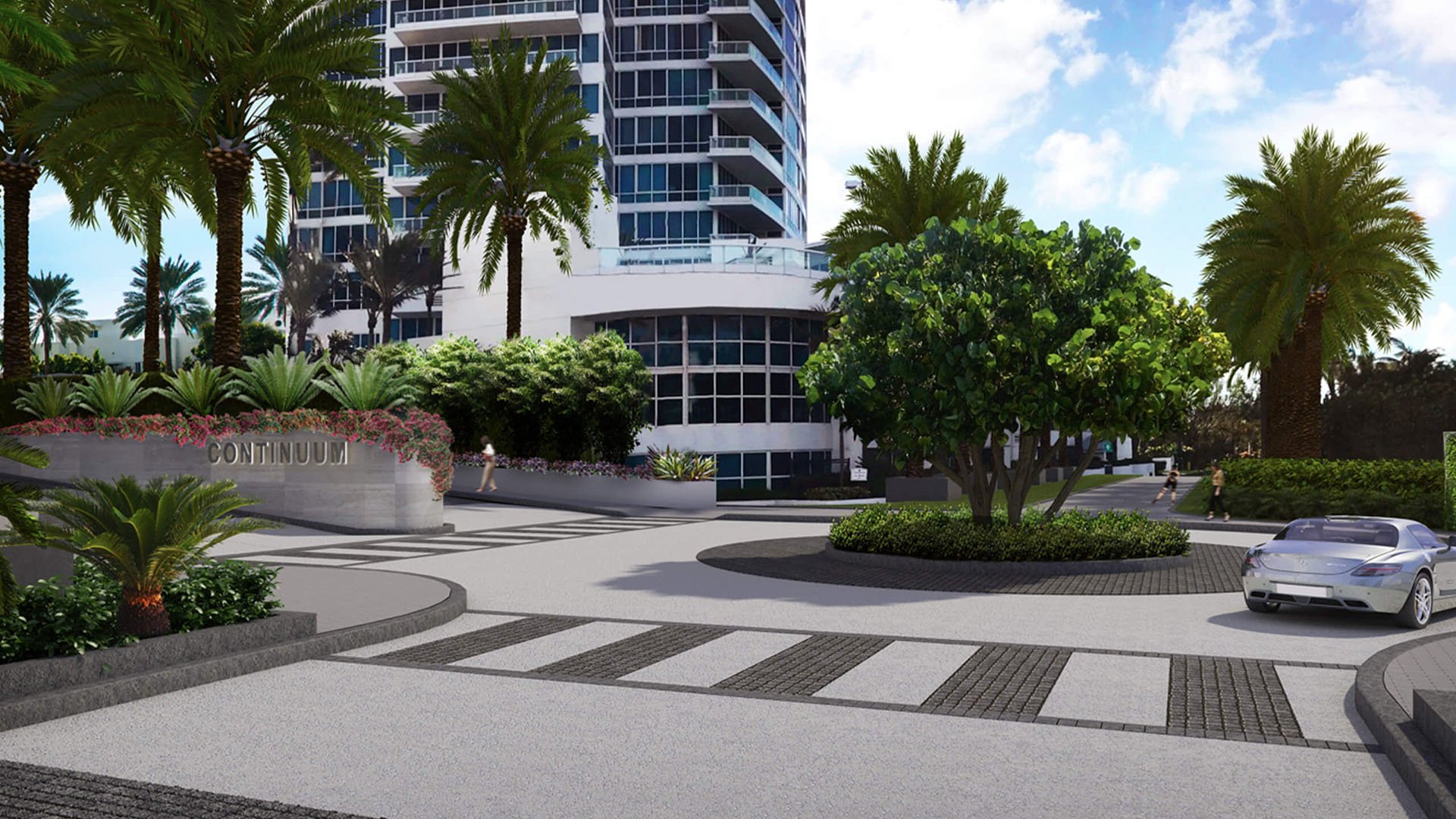
For a buyer considering Continuum on South Beach, request an explanation of the applicable vendor and guest procedures without presuming a particular arrangement. Ask how management handles competing service requests and whether setup and collection require separate bookings.
Then distinguish guest circulation from vendor circulation. Find out how visitors are admitted, where they wait and how a host coordinates arrivals. During a viewing, observe curb access, valet queues and elevator waits firsthand. Record the time and circumstances so that a single observation is not mistaken for a typical operating pattern. The objective is a clear process, not an unsupported prediction of congestion.
Permission to host should begin the operational conversation, not conclude it. Ask who is responsible for food waste, spills, odors, packaging and restoration of any affected common areas. Confirm whether catering materials must leave the same night or may be collected later, and how that requirement aligns with loading and elevator hours.
A purchase inquiry at Five Park Miami Beach can include a practical scenario: dinner ends after the vendor’s booked access window. What procedure applies to equipment collection and waste removal? Seek the actual policy rather than an informal assurance that staff will manage it.
Request written details of any insurance requirements, deposits, cleaning charges and responsibility for damage. These are questions to resolve, not charges to assume. Before engaging a caterer, reconcile the vendor’s proposed schedule with the building’s requirements. The final course should not mark the start of an unresolved cleanup obligation.
A well-considered gathering protects both the host’s privacy and the neighbor’s evening. Ask whether advance notice is required, who receives it and what information management expects. Clarify whether staff coordinate communication or owners are expected to contact affected neighbors directly.
When assessing Setai Residences Miami Beach, apply the same neutral questions about complaint handling and escalation. No assumption about a property’s event culture should substitute for its current rules. Ask whether anonymized complaint records are available and, if so, consider how issues were resolved rather than merely counting complaints.
For buyers who entertain frequently, consistency should matter more than a promised exception. Establish whether approvals are documented, whether conditions are communicated to vendors and who has authority to intervene during an event. Clear boundaries let an owner plan confidently while giving neighbors a defined way to raise concerns.
Miami Beach’s special-event procedures allow City Manager approval of temporary sidewalk, travel-lane and street closures before, during or after an event. That authority does not establish a specific Art Week 2026 closure. Verify any property-level impact against actual notices rather than treating a nearby venue as proof that access will change.
Before committing, assemble a concise operating file: sound rules, vendor requirements, elevator booking procedures, cleanup obligations and the management escalation path. Check scheduled neighborhood activity and revisit access arrangements as the event approaches. If possible, arrange an evening property visit during a major event to compare written procedures with observable conditions.
The purchase decision is ultimately about compatibility. A buyer who values frequent entertaining and one who prioritizes uninterrupted retreat may read the same rules differently. The right residence is one whose documented expectations support your preferred way of living without relying on favors or assumptions.
Explore South Beach residences with MILLION and make operational fit part of your next purchase conversation.
If branded residences are on your mind — as a home or as an allocation — we would be glad to share what we are seeing, privately.
Begin a quiet conversationMiami Art Week 2026 is scheduled for November 30–December 6, with programming across Greater Miami and Miami Beach.
Public dates are December 4–6, with VIP previews scheduled for December 2–3. The venue is the Miami Beach Convention Center.
InScope has announced a December 1–6, 2026 debut on the sands of Ocean Drive at 8th Street. Its announced format includes indoor and outdoor installations and gallery pavilions.
No. Event dates and locations provide a framework for due diligence, not evidence of building-specific noise, elevator delays or disputes.
Request written quiet hours, amplified-music rules, balcony and terrace restrictions, and complaint procedures. Clarify how those policies apply to approved gatherings.
Confirm vendor registration, service-elevator reservations, freight access, loading hours and any event-week restrictions. Ask whether setup and collection require separate bookings.
Ask who handles food waste, spills, odors and restoration, and whether same-night removal is required. Confirm any insurance, deposit and cleaning-charge requirements in writing.
Ask about advance notice for gatherings, after-hours complaint handling and management escalation. Request anonymized complaint records if available, focusing on resolution as well as the concerns raised.
No. Miami Beach permits approval of temporary event-related closures, but property-level access changes must be checked against actual notices.
An evening visit during a major event can help assess sound, curb access, valet queues and elevator waits firsthand. Treat the observations as a snapshot rather than a guarantee of future conditions.