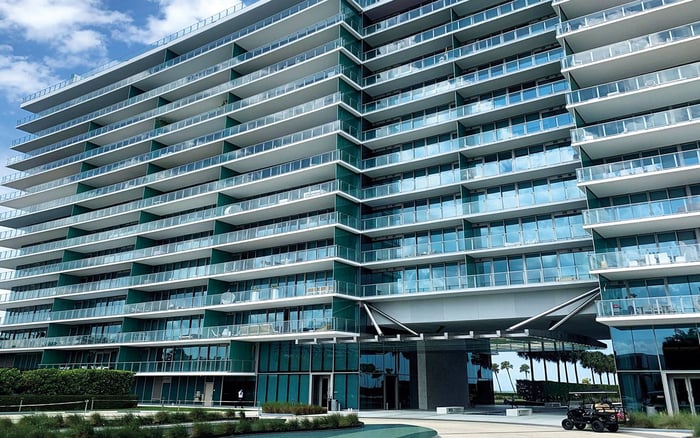
A practical guide to evaluating a Key Biscayne second home, with a focus on seasonal moisture control, remote oversight, insurance review, emergency planning, and post-storm access.

For a buyer relocating from Silicon Valley, evaluating a Key Biscayne residence involves more than architecture, views, and amenities. Seasonal occupancy also calls for a clear plan covering cooling, moisture management, remote oversight, local access, insurance, and emergency response.
Approach the purchase as both a lifestyle decision and an ongoing property-management commitment. The residence, building procedures, service-provider responsibilities, and owner authorizations should work together while the home is unoccupied.
Before signing, request the condominium’s current written policies concerning air-conditioning operation, leak detection, remote monitoring, balcony preparation, emergency access, backup power, storm procedures, and post-event inspections. Confirm which responsibilities belong to management and which remain with the owner.
For a residence at Oceana Key Biscayne, or any other island condominium, ask who may enter an absent owner’s unit, what authorization is required, and how management communicates during an emergency. Rental restrictions, vendor access, maintenance obligations, and residence-entry procedures should also be verified in the governing documents.
Request available records relevant to water intrusion, elevator service, garage access, emergency systems, and prior building procedures. The objective is to understand how responsibilities are assigned and documented when the owner is away.
A seasonal residence needs an operating plan for air conditioning, dehumidification, plumbing, drains, appliances, windows, doors, and leak sensors. Remote alerts are most useful when a trusted local representative is authorized to investigate and coordinate a response.
Avoid relying on a universal temperature or humidity setting. Ask a licensed South Florida HVAC or indoor-air-quality professional to recommend settings after reviewing the specific residence, mechanical equipment, finishes, exposure, and association requirements.
A written home-watch protocol can address scheduled interior visits, equipment checks, visual reviews near plumbing fixtures and mechanical spaces, sensor-alert response, documentation, and escalation instructions. Buyers comparing this model with Vita at Grove Isle or The Ritz-Carlton Residences® Miami Beach should ask the same operational questions rather than infer service levels from branding or positioning.
Flood, wind, insurance, access, and building resilience should be evaluated for the specific residence under consideration. Broad descriptions of Key Biscayne cannot replace a review of the property, condominium documents, insurance terms, and relevant official records.
During the inspection and due-diligence period, request available elevation and flood documentation, current insurance proposals, and information about the placement of electrical equipment, mechanical systems, storage areas, garages, and access points. Qualified insurance, legal, inspection, and engineering professionals can help identify which documents and evaluations apply to the purchase.
Apply the same property-specific framework when considering other coastal residences, including The Residences at Six Fisher Island. Procedures, coverage, and physical conditions should be verified independently for every property.
Create two coordinated plans: one for the occupants and another for the residence. The personal plan can identify transportation, destination, medications, identification, communications, valuables, and alternative arrangements. Follow current instructions from the appropriate local authorities whenever an emergency develops.
The property plan should identify who is responsible for outdoor items, openings, contents documentation, utility monitoring, vendor coordination, and the first inspection once access is permitted. Verify the home-watch provider’s scope, credentials, insurance, access authority, and reporting process before relying on the service.
Do not assume that building staff will perform tasks assigned to individual owners. Obtain written confirmation of services, deadlines, limitations, and communication procedures.
Before closing, collect governing documents, insurance proposals, available property records, emergency contacts, vendor agreements, monitoring specifications, and written building protocols. Ask exactly what backup systems support and how access is handled when normal operations are interrupted.
Test the plan before the residence is left vacant. Confirm that alerts reach more than one responsible person, access credentials work, local contacts understand their authority, and vendors have clear approval and spending limits. Technology should support accountable local response rather than replace it.
Is Key Biscayne suitable for seasonal ownership? It can be considered for seasonal use when the owner establishes property-specific cooling, monitoring, access, insurance, and emergency procedures.
Can I turn off the air conditioning while away? Obtain residence-specific guidance from a licensed local professional and confirm the condominium’s requirements before changing cooling operations.
What humidity setting should I use? A qualified professional should recommend a target based on the residence, equipment, finishes, exposure, and building rules.
What documents should I request during due diligence? Request governing documents, available flood and elevation records, insurance proposals, inspection materials, emergency procedures, and relevant maintenance information.
Why is local oversight important? A local representative can investigate alerts, document conditions, coordinate approved vendors, and report findings while the owner is away.
What should a home-watch agreement cover? It should define inspection frequency, alert response, access authority, documentation, vendor coordination, emergency preparation, and reporting.
Should I rely only on remote sensors? No. Sensors can provide alerts, but the plan should also identify a responsible person who can inspect the residence and take authorized action.
How should I evaluate building emergency procedures? Request the current written procedures and confirm owner duties, management responsibilities, communication methods, access rules, and service limitations.
What should I verify about backup systems? Ask which systems receive backup support, how long operations may continue, and which residence functions remain the owner’s responsibility.
What should be completed before leaving the residence vacant? Confirm cooling and monitoring settings, local access, emergency contacts, vendor authority, insurance documents, contents records, and written response instructions.
To compare the best-fit options with clarity, connect with MILLION.
If branded residences are on your mind — as a home or as an allocation — we would be glad to share what we are seeing, privately.
Begin a quiet conversation