A disciplined pre-closing governance audit can reveal who controls a Key Biscayne condominium, whether elections follow required procedures, and how readily the association documents consequential decisions.
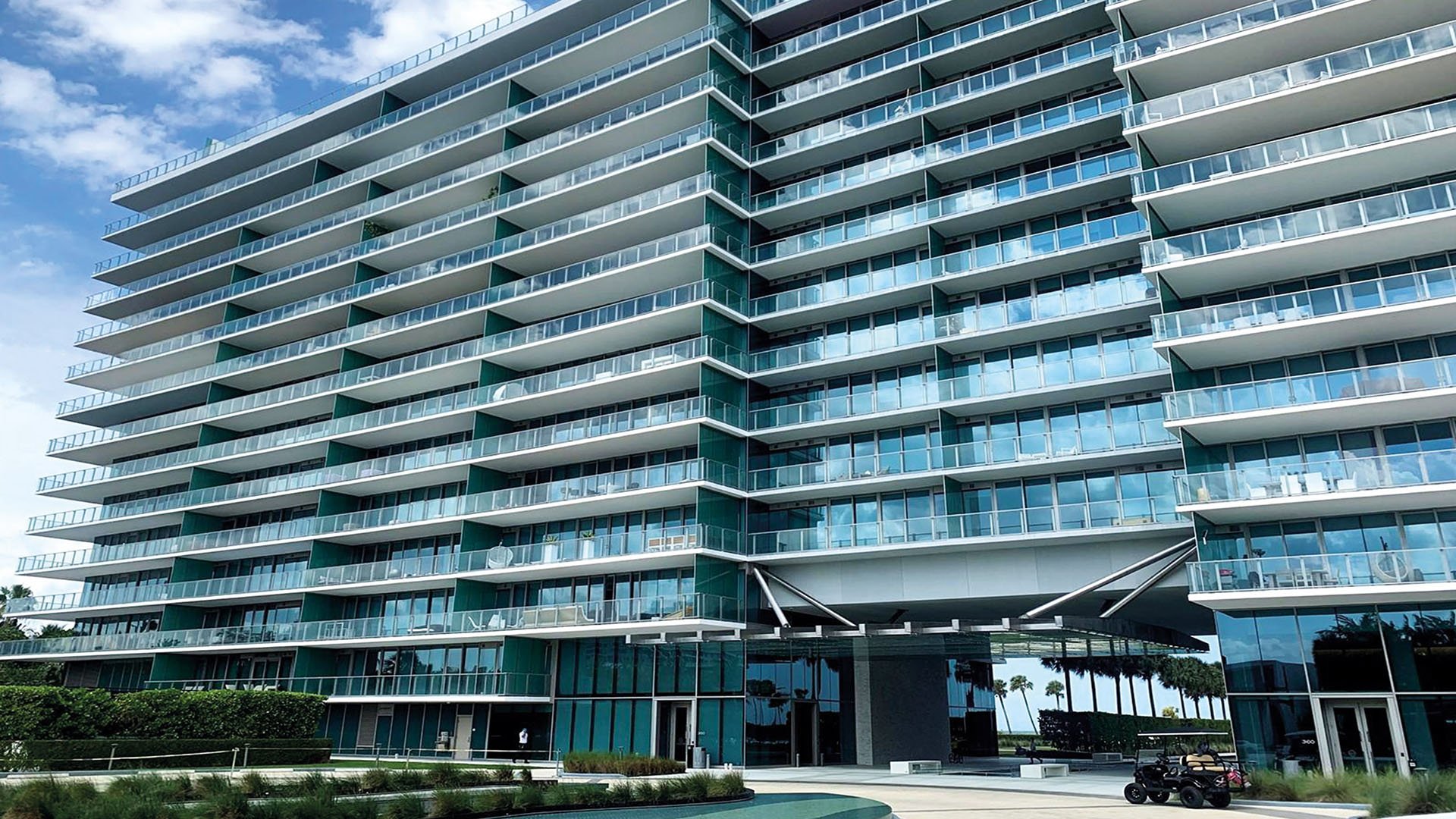
A seasonal residence in Key Biscayne is both a private retreat and an interest in a shared institution. The quality of that institution matters when an owner is away for months, relies on digital notices, or must evaluate an assessment from another city. Before closing, the inquiry should extend beyond finishes and views to the association’s decision-making, voting structure, document discipline, and financial oversight.
This is especially important in a resale transaction. A polished statutory package can establish the formal rules, but minutes, election files, contracts, and correspondence reveal how those rules function in practice. The result should not be a vague impression of a well-run building, but a documented view of authority, accountability, and foreseeable exposure.
A seasonal residence is only as effortless as the institution governing it.
For readers using this as a buyer’s guide, the first distinction is legal structure. Florida condominium rules generally arise under Chapter 718. A property organized as a homeowners’ association may principally fall under Chapter 720, with different records and election provisions. Counsel should confirm the governing regime and the law applicable on the relevant contract and election dates.
A purchaser under contract for a nondeveloper condominium resale is entitled, at the seller’s expense, to current copies of the declaration, articles, bylaws, rules, annual financial statement, budget, statutory FAQ document, and applicable inspection and reserve-study materials. That package should identify the unit’s voting interest, board structure, election framework, restrictions, reserve obligations, and any surviving developer rights.
The more expansive official-records inspection right, however, belongs to association members and their authorized representatives. A buyer who has not closed is not yet a member. The offer should therefore include a sufficiently long document-review contingency and require the seller to obtain additional records, authorize the buyer’s representative, or make satisfactory production a condition of closing.
Request several years of board and membership minutes, budgets, year-end financials, election materials, management contracts, litigation disclosures, insurance information, and engineering correspondence. A proper written request from a unit owner generally requires records to be made available within 10 working days, within 45 miles of the condominium or in the same county. Members may inspect them at reasonable times and obtain copies at reasonable expense.
The production process is itself revealing. Missing minutes, incomplete financial files, unexplained gaps, or resistance to a seller-authorized request can signal weak transparency. If records have been lost, destroyed, or become unavailable, the association has a good-faith duty to recover them to the extent reasonably possible. Failure to produce them within the statutory period creates a presumption of willful noncompliance, and an owner may pursue a complaint with the state condominium division.
Do not settle for a current director roster. Reconstruct recent election cycles from dated evidence. Residential condominium directors generally must be elected by written ballot or voting machine, and proxies ordinarily cannot be used to elect directors or fill board vacancies.
For each cycle, look for the first election notice, candidate notices of intent, candidate-information sheets, the second notice package, ballots, annual-meeting minutes, and recorded results. The first notice generally must go to eligible voters at least 60 days before the election. Candidate intent is generally due at least 40 days before the election, and candidate-information sheets no later than 35 days before it. The second notice, agenda, ballot, and candidate sheets generally must arrive between 14 and 34 days before the election.
Compare those intervals with the actual document dates. Confirm that the minutes and results reconcile with the ballots and notices. For an association with 10 or fewer units, inspect the bylaws carefully: different procedures, including specifically delineated proxy provisions, may have been adopted with approval from a majority of total voting interests.
Remote participation can be central to second-home ownership, but convenience does not replace procedure. Internet-based voting is permitted only for owners who consent electronically or in writing and when the system meets requirements for authentication, ballot secrecy, verification, and recordkeeping.
If electronic voting is used, request the authorizing board resolution, owner-consent process, vendor agreement, operating procedures, and prior election records. Verify remote-notice practices, enrollment steps, absentee-participation options, hurricane-access protocols, emergency-assessment procedures, and the process for updating owner contact information. The practical question is whether an absent owner can receive, understand, and act on consequential communications in time.
This discipline applies whether evaluating Oceana Key Biscayne or comparing island ownership with The Residences at Six Fisher Island, Park Grove Coconut Grove, or The Perigon Miami Beach. The projects are distinct, but every condominium buyer benefits from testing how governance functions when the residence is not occupied year-round.
Voting power may extend beyond what the board roster suggests. Use the owner roster, declaration, articles, and public corporate records to calculate the voting interests held by a developer, bulk owner, investor, or group of related entities. Review names, entities, addresses, and managers closely enough to identify concentrations that may appear dispersed on paper.
After relinquishing association control, a developer may vote its remaining units as other owners do, but may not use those votes to reacquire control or select a board majority. The audit should distinguish formal control from practical influence, including whether a concentrated group can shape budgets, amendments, major contracts, or election outcomes.
For an investment purchase, concentration also warrants scrutiny alongside rental and use restrictions. Compare the statutory FAQ document with the declaration, bylaws, rules, budgets, and observed board practices. Inconsistencies concerning assessments, voting, rentals, or occupancy may indicate that the summary is outdated or that practice has drifted from the governing documents.
Governance cannot be reviewed in isolation from the building’s physical and financial position. The resale package must include the applicable milestone-inspection summary and most recent structural integrity reserve study, or the required statement that no study exists. Applicable turnover inspection reports performed on or after July 1, 2023, must also be included.
Read those materials alongside engineering correspondence, reserves, budgets, insurance information, litigation disclosures, and pending assessments. Then trace significant findings through the meeting minutes. The essential question is not simply whether a concern was disclosed, but whether the board discussed it, budgeted for it, communicated it clearly, and preserved a coherent record of its decisions.
The closing decision should account for election integrity, voting concentration, record access, reserve funding, milestone and turnover findings, pending assessments, litigation, and insurance exposure. A beautiful Key Biscayne residence may still be the right acquisition, but the terms, timing, and risk allocation should reflect what the governance record actually shows.
For discreet guidance on evaluating a South Florida residence, connect with MILLION.
If branded residences are on your mind — as a home or as an allocation — we would be glad to share what we are seeing, privately.
Begin a quiet conversationNot automatically. The broader inspection right belongs to members and their authorized representatives, so the buyer should arrange access through the seller or make production a contract obligation.
The package includes current governing documents, rules, annual financial statement, budget, FAQ document, and applicable inspection and reserve-study materials.
After a proper written request from a unit owner, records generally must be available within 10 working days and within the required geographic area.
Compare dated notices, candidate submissions, candidate-information sheets, ballots, annual-meeting minutes, and recorded results.
Residential condominium directors generally must be elected by written ballot or voting machine, and proxies ordinarily cannot be used for director elections or board vacancies.
Request the board resolution, owner-consent process, vendor agreement, system procedures, and records from earlier electronic elections.
Review the owner roster, governing documents, voting interests, and public corporate records for developer, bulk-owner, investor, or related-entity holdings.
Missing minutes, incomplete financial records, unexplained production gaps, and resistance to a seller-authorized request can indicate weak governance transparency.
The comparison may expose outdated or inconsistent statements about assessments, voting, rentals, and use restrictions.
No. Evaluate them with reserves, milestone and turnover findings, pending assessments, litigation, engineering issues, and insurance exposure.