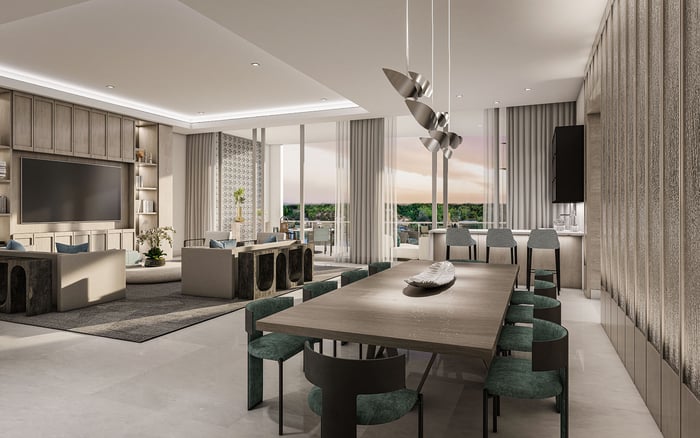
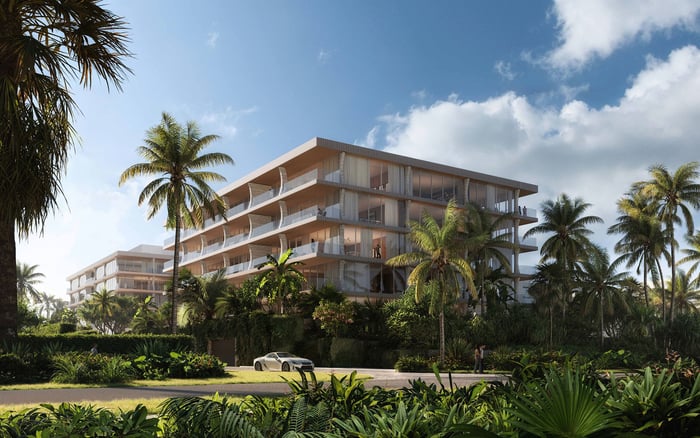
A document-first guide to assessing access, rental rights, hospitality costs, and privacy before acquiring a seasonal condominium residence in Palm Beach Gardens.

A seasonal residence in Palm Beach Gardens may be presented through landscaping, service, and carefully designed arrival spaces. Due diligence should go further by establishing who can enter residential and shared areas, how guests circulate, whether renters receive amenity privileges, and how high-use interiors are maintained.
This review is especially important in a branded residence or condo-hotel setting. Brand positioning and architecture do not replace the declaration, rules, budgets, reserve materials, and operator agreements. Buyers considering The Ritz-Carlton Residences® Palm Beach Gardens should confirm the property’s actual operating framework before relying on marketing impressions.
Ask for the declaration and amendments, bylaws, current rules, rental documents, management or operator agreements, budgets, reserve materials, insurance information, recent board minutes, material contracts, and relevant bids. Have qualified legal, financial, insurance, and inspection professionals identify which documents apply and what additional review is appropriate.
Prepare an amenity matrix covering the lobby, elevators, pools, fitness facilities, clubrooms, guest suites, docks, and parking where applicable. For each area, record ownership, maintenance responsibility, eligible users, access hours, reservation procedures, guest limits, and enforcement authority.
Use the same process when comparing nearby luxury options such as The Ritz-Carlton Residences® West Palm Beach and Palm Beach Residences. Similar branding or positioning should not be treated as proof of identical ownership rights or operating practices.
Do not assume that every shared space is resident-only or that every visitor follows the same route. Request plans and written protocols showing how residents, personal guests, rental occupants, service providers, restaurant patrons, event attendees, and other visitors move through the property, where those user groups are relevant.
Determine whether the residence component has a distinct entrance, reception point, elevator bank, parking route, loading area, pool zone, or after-hours procedure. Ask how credentials are issued, how visitors are registered, and which party handles check-in, deliveries, housekeeping access, and security concerns.
A comparison with a hospitality-led Broward property such as W Pompano Beach Hotel & Residences can help frame questions, but it cannot establish the rules for a Palm Beach Gardens residence. The governing documents, contracts, and applicable local requirements for the specific property must be reviewed directly.
Rental flexibility should be verified in the governing documents and any rental-program agreement. Review minimum-stay provisions, application procedures, fees, blackout periods, occupancy restrictions, owner-use limitations, housekeeping standards, revenue allocation, termination rights, and whether participation is optional or required.
Ask what happens to the owner’s amenity privileges while the residence is occupied by a renter. The documents should clarify whether the renter receives access, whether the owner retains any independent privileges, and whether a written waiver or guest invitation affects the result.
The practical review should also cover reservation priority, cancellation procedures, unit-entry permissions, damage reporting, insurance responsibilities, and the process for resolving disputes. Obtain written answers when the documents leave room for interpretation.
Structural reserve materials and hospitality furniture, fixtures, and equipment planning address different categories of future expense. Buyers should not assume that a structural reserve schedule also funds lobby finishes, guest-suite furniture, spa equipment, fitness machines, carpeting, or other nonstructural assets.
Request any available FF&E inventory, useful-life assumptions, replacement schedule, current balance, contribution plan, and approval process. Identify who pays for cleaning, security, utilities, repairs, and replacement in spaces used by multiple groups.
A polished current condition does not answer whether future refurbishment is funded. Compare the anticipated replacement obligations with the budget, contracts, reserve materials, and any operator-controlled accounts, then ask the appropriate advisers to explain potential gaps.
A luxury name should not be treated as independent evidence of rental rights, amenity exclusivity, service levels, or privacy. Review the branding or licensing disclosures provided for the property, identify the parties responsible for development and operations, and determine what happens if an operator or brand relationship changes.
If guest suites are offered, establish who may reserve them, how priority is assigned, what charges apply, how long occupants may stay, which services are included, and which common spaces they may use. Confirm these points in the controlling documents or written policies rather than relying on verbal descriptions.
Residence-owner privacy can be evaluated through specific operating controls. Ask about credentials, cameras, visitor registration, staff access, deliveries, housekeeping, events, guest parking, elevator permissions, key management, incident reporting, and handling of resident information.
Review available board minutes and written protocols for recurring concerns involving congestion, security, noise, pool access, or guest registration. Visit during an active arrival period when possible and compare what occurs on site with the procedures described in the documents.
The objective is to determine whether the property’s operating model suits the buyer’s expected pattern of seasonal use. Record unresolved questions, assign each to the appropriate adviser or property representative, and seek written clarification before making a decision.
Which documents should a seasonal buyer request first? Start with the declaration and amendments, bylaws, rules, budgets, reserve materials, rental documents, operator agreements, insurance information, and recent board minutes.
How should amenity access be evaluated? Identify each eligible user group, the applicable hours and reservation procedures, the access route, and the party responsible for enforcement.
Can an owner assume continued amenity access while the residence is rented? No. The governing documents and rental terms should be reviewed for the rights of both the owner and the renter during an occupied stay.
Does a hotel brand establish resident-only amenities? No. Exclusivity should be confirmed through governing documents, written rules, access protocols, and operating agreements.
Why should a buyer review guest-suite policies? Those policies can explain booking eligibility, priority, charges, stay limits, included services, and the areas available to occupants.
What does FF&E mean in this review? It refers to furniture, fixtures, and equipment that may require periodic repair or replacement outside structural work.
Should structural reserve materials be treated as an FF&E plan? Not automatically. Buyers should verify whether nonstructural interiors, furnishings, spa assets, and fitness equipment have separate funding.
Can another South Florida property determine the rules in Palm Beach Gardens? No. Comparisons can inform questions, but the documents, contracts, and requirements applicable to the specific Palm Beach Gardens property control the review.
What should a circulation assessment cover? Examine entrances, reception areas, elevators, parking, loading, amenity routes, credentials, visitor registration, deliveries, and after-hours procedures.
How can a buyer evaluate privacy before acquiring a residence? Compare governing documents and written protocols with board materials, responses from the relevant parties, and observations made during an on-site visit.
To compare the best-fit options with clarity, connect with MILLION.
If branded residences are on your mind — as a home or as an allocation — we would be glad to share what we are seeing, privately.
Begin a quiet conversation